

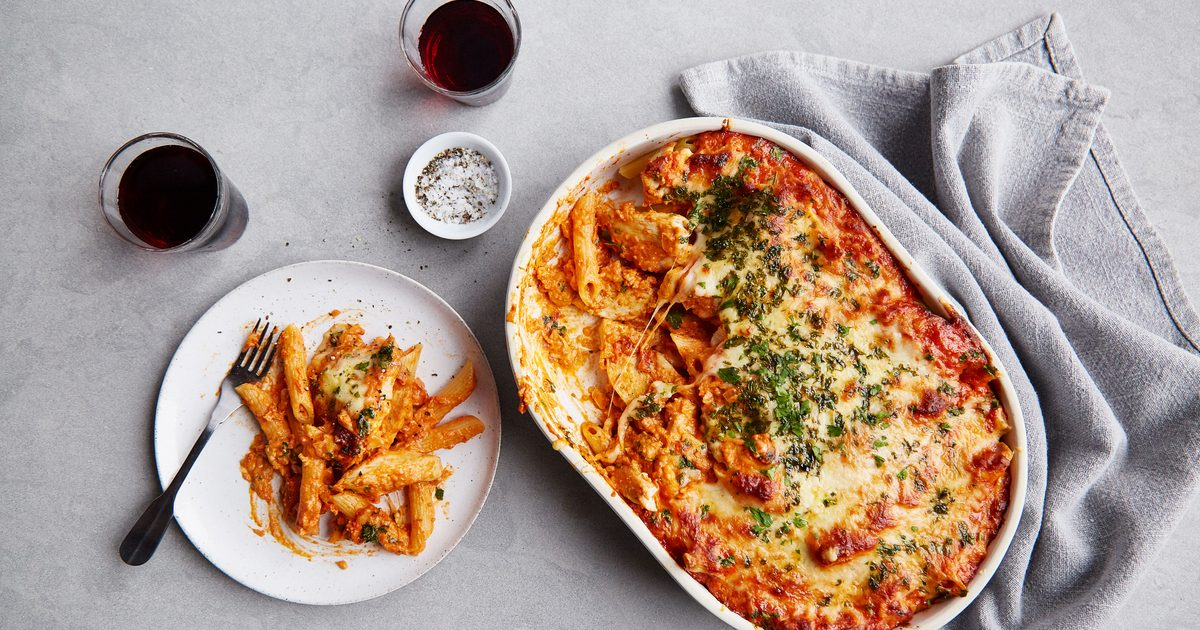

In today’s fast-moving world, restaurant dining and food delivery have become part of everyday life. With just a few taps on a phone, almost any dish can arrive at your doorstep within minutes. From spicy curries to cheesy pizzas and gourmet desserts, restaurants offer endless choices. Yet, despite all this convenience, many people still believe that Homemade Food tastes better than restaurant meals—and for good reason.
Homemade Food offers something special that cannot easily be copied in a commercial kitchen. It is not only about flavor. It is about comfort, care, freshness, memories, and emotional connection. There is something deeply satisfying about eating Homemade Food prepared in your own kitchen, surrounded by familiar smells and warmth. The gentle sound of vegetables sizzling in a pan, the aroma of spices filling the air, and the sight of steam rising from freshly cooked Homemade Food create a feeling that goes beyond taste.
Just like the first sunlight touching green leaves in the morning or cool rain refreshing dry soil after summer heat, homemade food brings a natural kind of joy. It feels real, comforting, and deeply human.
The Emotional Connection With Homemade Food


Food is strongly connected to emotions. When people think about their favorite meals, they often remember more than taste. They remember moments, people, and feelings.
A bowl of hot soup during a cold evening may remind someone of childhood. Freshly made chapati with curry may bring memories of family dinners. A simple homemade tea can feel comforting after a stressful day. These emotional connections create a powerful bond between food and memory.
Restaurant meals can certainly be delicious, but they usually do not carry the same personal meaning. A chef in a busy kitchen prepares food for hundreds of customers. At home, food is often made with personal care and attention.
A mother knows exactly how much spice her child prefers. A partner remembers which dish brings comfort after a tiring day. A grandparent cooks recipes passed down through generations. These small acts of care add something invisible yet powerful to the meal.
That is why homemade food often feels warmer and more satisfying. It feeds not only the body but also the heart.
Fresh Ingredients Create Better Flavor
One major reason homemade food tastes better is ingredient quality. At home, you control what goes into your meals.
You can choose fresh vegetables, ripe fruits, fragrant herbs, quality grains, and clean proteins. This makes a huge difference in taste. Fresh ingredients naturally have stronger flavors, better texture, and richer aroma.
Think about a ripe tomato picked at the right time. It tastes juicy, sweet, and full of flavor. Compare that to a tomato stored for days in cold storage—it often tastes dull and watery.
Nature teaches us that freshness matters. Fruits taste best in season. Herbs smell strongest when freshly picked. Vegetables hold more flavor when they are crisp and recently harvested.
Restaurants, especially large ones, often buy ingredients in bulk for efficiency. While many maintain excellent standards, bulk storage can reduce freshness. At home, ingredients are usually purchased in smaller amounts and cooked sooner.
This simple difference can make homemade meals taste more vibrant and alive.
You Can Cook Exactly the Way You Like

Another reason homemade food often wins is customization.
Restaurants prepare food to satisfy general customer preferences. Homemade meals are designed specifically for you.
Do you like extra garlic? More chili? Less salt? Thick gravy? Crispy texture? At home, you decide every detail.
This level of control allows you to create food exactly as your taste buds prefer. That personal customization improves the eating experience in ways restaurants cannot always match.
Cooking also becomes intuitive over time. You begin to trust your senses. You taste the curry and feel it needs more spice. You smell the soup and know it needs herbs. You watch the sauce and understand when the consistency feels right.
This human instinct makes cooking feel personal and creative.
Like a gardener learning what each plant needs to grow, home cooks gradually understand flavor balance. That understanding creates meals with character.
Homemade Food Is Often Healthier
Restaurant food is designed to impress customers. To maximize flavor, many restaurants use extra butter, oil, cream, sugar, and salt.
These ingredients make dishes rich and satisfying but may reduce nutritional value when consumed regularly.
Homemade cooking gives you control over health.
You can:
- Reduce excess oil
- Use fresh ingredients
- Limit sugar and salt
- Add more vegetables
- Choose healthier cooking methods
This makes it easier to enjoy flavorful meals while supporting your health.
Healthy food does not have to feel boring or bland. A colorful vegetable stir-fry with garlic and herbs can taste incredible. Lentil soup with warm spices can feel deeply satisfying. Grilled paneer or chicken with lemon and herbs can be both nutritious and delicious.
The human body often responds best to simple, natural foods.
Just as trees grow stronger with clean water and sunlight, our bodies benefit from balanced nutrition. Homemade meals help create that balance.
Love and Care Change the Taste
People often say the secret ingredient in homemade food is love. That phrase may sound simple, but it reflects something very real.
Care changes how food is prepared.
When someone cooks for family or loved ones, they think beyond the recipe. They think about comfort, happiness, and well-being.
That mindset influences everything:
- Ingredient selection
- Cooking time
- Presentation
- Flavor balance
Someone who cares will patiently stir a sauce until flavors blend perfectly. They will cook rice carefully so every grain feels right. They will taste and adjust seasoning until the dish feels complete.
These thoughtful details matter.
Restaurants may achieve technical perfection, but homemade food often carries emotional richness that cannot be mass-produced.
Human care leaves a mark on every bite.

Cooking at Home Builds Relationships
Homemade food is not only about eating. It is also about shared experiences.
Cooking together creates connection.
Families that cook together often communicate more. Couples preparing dinner strengthen teamwork. Children helping in the kitchen build confidence and life skills.
Even small moments become meaningful:
- Washing vegetables together
- Rolling dough
- Sharing kitchen stories
- Laughing over recipe mistakes
These moments create memories that last.
Modern life often feels rushed. Screens constantly demand attention. Notifications never stop.
Cooking at home slows things down.
It gives people space to be present.
Much like sitting under a tree while listening to birds or watching clouds drift across a blue sky, kitchen moments can feel grounding and peaceful.
That pause matters.
Homemade Cooking Encourages Creativity

Many people assume restaurants offer the most creative dishes, but home kitchens can be surprisingly innovative.
At home, there are no strict rules.
You can experiment freely:
- Mix cuisines
- Try new ingredients
- Reinvent traditional dishes
- Adjust recipes creatively
Want spicy masala pasta? Make it.
Want paneer tacos? Try it.
Want healthier pizza? Create it.
Creativity grows when there is freedom.
Not every experiment succeeds, and that is part of the process. Sometimes mistakes teach valuable lessons.
A dish may turn too salty or too spicy. Next time, you improve.
That learning process builds confidence.
Cooking becomes less about perfection and more about exploration.
Homemade Food Saves Money
Another important benefit is affordability.
Restaurant meals can be expensive, especially when delivery fees, taxes, and service charges are added.
A single restaurant meal may cost enough to prepare multiple homemade servings.
Cooking at home helps manage expenses without sacrificing quality. In many cases, home-cooked food tastes better because ingredients are fresher and portions are larger.
Smart planning makes it even easier:
- Buy seasonal produce
- Store pantry staples
- Batch cook meals
- Reduce food waste
Good food does not always need a premium price.
Sometimes the most satisfying meal is also the most affordable.
Why People Are Returning to Home Cooking
In recent years, more people have returned to homemade meals.
There are practical reasons:
- Rising restaurant prices
- Health awareness
- Better budget management
But there is also a deeper reason.
People are craving authenticity.
In a world full of fast trends and digital overload, homemade food feels real.
It cannot be rushed in the same way as fast food. It asks for patience, presence, and attention.
There is beauty in transformation—raw vegetables becoming curry, flour becoming bread, spices becoming aroma.
Like planting seeds and waiting for them to grow into something beautiful, cooking teaches patience.
And patience often creates the best results.
FAQ’s
1. Why does homemade food taste better than restaurant food?
Homemade food tastes better because it is fresh, personalized, and made with care.
2. Is homemade food healthier than restaurant meals?
Yes, homemade food is often healthier because you control ingredients, oil, salt, and sugar.
3. Can homemade food save money?
Yes, cooking at home usually costs less than eating at restaurants regularly.
4. Does homemade food improve family bonding?
Yes, cooking and eating together helps build stronger family connections.
5. Why are people choosing homemade food more today?
People prefer homemade food for better health, lower cost, and emotional comfort.



Leave a Reply