

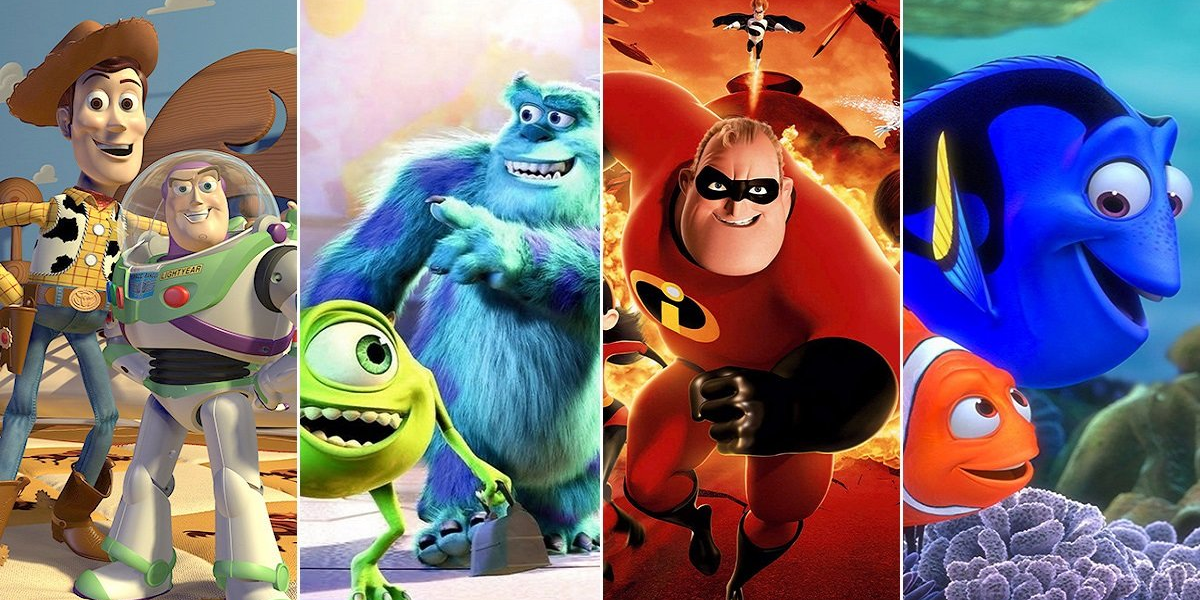

Let’s drop the technical jargon about Movies frames per second and box office numbers for a second. The real reason animation holds such a vice grip on our collective hearts isn’t just because it’s a brilliant way to keep children quiet for ninety minutes on a rainy Sunday. It’s because animation possesses a strange, almost unfair superpower: it can bypass the logical filters of our adult brains and strike us straight in the emotions before we even realize what’s happening.
Think about it. In a live-action movie, you are always consciously aware that you are watching an actor with a multi-million-dollar contract sitting in front of a green screen. But when a cluster of hand-drawn lines or digital pixels on a screen begins to tear up, lose a friend, or finally achieve a lifelong dream, we don’t see the computer code or the ink. We see a mirror of our own lives.
Here is an honest, deep look into why these supposedly “simple cartoons” are actually some of the most profound, beautiful pieces of storytelling humanity has ever cooked up.
The Architecture of the Double-Layered Movies Story

The absolute gold standard of animated filmmaking lies in its unique ability to tell two entirely different stories at the exact same time, using the exact same script.
- The Lower Layer (For the Kids): On the surface, it’s a bright, kinetic roller coaster. There are talking toys trying to escape a day-care center, a clownfish swimming across the ocean to find his son, or a quirky family of superheroes trying to blend into suburban life. It’s full of physical comedy, vivid colors, and high stakes that keep a seven-year-old completely mesmerized.
- The Upper Layer (For the Adults): Tucked neatly beneath the slapstick is the story meant for the parents sitting on the couch. Suddenly, that day-care escape isn’t just a prison break—it’s a heartbreaking meditation on outgrowing childhood and the bittersweet reality of letting go. The clownfish’s journey becomes a deeply relatable study of parental anxiety and the terror of letting your child take risks.
This isn’t achieved by just throwing in a few cynical, hidden jokes for the adults over the kids’ heads. The best animated films build their entire narrative foundation on universal human truths—grief, identity, aging, and the terrifying beauty of growing up—that resonate differently depending on how many miles you have on your own odometer.
Escaping the Prison of Movies Reality

Live-action films are fundamentally bound by the laws of physics, budget constraints, and the limitations of the human body. Animation, however, looks at the rules of reality and politely declines them.
If a filmmaker wants to set a story entirely inside the mind of an eleven-year-old girl, turning abstract concepts like Joy, Sadness, Anger, and abstract thought into physical characters who argue over a control console, they can do it. If they want to build a sprawling, neon-soaked metropolis populated entirely by anthropomorphic mammals divided by ancient predatory instincts, the canvas welcomes it.
[The Live-Action Filter] ──> Bound by gravity, actors, and physical logic[The Animation Canvas] ──> Bound only by the limits of human imagination
Because the visual style is inherently interpretive rather than literal, it creates a psychological cushion. It allows us to explore incredibly heavy, complex concepts—like structural societal bias, existential dread, or the painful process of cognitive decline—in a way that feels safe, whimsical, and profoundly digestible.
The Anatomy of an Unforgettable Animated Feature Movies
A truly timeless animated film requires a delicate, almost miraculous alignment of three core elements:
| Element | The Mechanics | The Human Impact |
|---|---|---|
| Micro-Expression | Animators spend months tweaking the tilt of a brow or the twitch of a mouth. | We feel an instant, deeply empathetic connection to a character who doesn’t exist. |
| Acoustic Memory | A brilliant orchestral score or a perfectly written, character-driven anthem. | The music hooks into our subconscious, triggering nostalgia decades down the line. |
| Flawed Heroism | Characters defined by deep insecurities, stubbornness, or eccentricities. | The audience sees their own messy, imperfect lives validated on screen. |
The Shared Sanctuary of Family Movie Night

In a media landscape that is increasingly fractured—where teenagers are buried in short-form phone videos, parents are binging gritty crime dramas, and young kids are trapped in hyper-stimulating internet loops—the family animated film stands as one of the last remaining digital campfires.
It is a rare piece of shared cultural real estate. It creates a space where a three-generation household can sit together, laugh at the exact same physical gag, gasp at the exact same plot twist, and walk away with a shared emotional vocabulary.
The After-Effects of a Great Movie: The real value of these films often doesn’t show up until the credits stop rolling. Long after the TV is turned off, a great animated story acts as a natural bridge for tough conversations. It gives parents an easy, organic way to talk to their kids about heavy topics like loss, loyalty, peer pressure, and what it truly means to be brave when you feel completely small.
The Reality Check: Why Animation Defies Time of Movies

We often look back at old live-action movies from our childhood and cringe at the dated special effects, the hyper-specific fashion trends, or the stiff, era-dependent acting styles. They become time capsules, tethered forever to the year they were shot.
Animation doesn’t age the same way. Because it creates its own entirely self-contained world from scratch, a beautifully told animated story from thirty years ago feels just as vibrant, immediate, and emotionally urgent to a child watching it today as it did to the theater audiences during its original release. It doesn’t capture a specific decade; it captures the permanent, unchanging mechanics of the human heart. And that is why, no matter how much technology evolves, we will always keep pulling up a blanket, turning down the lights, and letting these drawings tell us who we are.di aplikasi apa
Final Thoughts
The best animated movies for kids and adults are the ones that entertain, inspire, and stay in your heart long after the screen goes dark. They are colorful, creative, emotional, and timeless. Whether you are watching with children, enjoying a nostalgic favorite, or discovering a new animated masterpiece, these films offer a movie experience that feels warm and memorable.
Animation proves that great storytelling does not depend on age. A good animated movie can bring joy to children, meaning to adults, and connection to entire families. That is why animated films remain one of the most loved and lasting forms of entertainment in the world.
FAQs
1. Why do adults still enjoy animated movies?
Adults enjoy animated movies because many of them include emotional depth, clever humor, beautiful visuals, and meaningful themes that go beyond simple children’s entertainment.
2. Are animated movies only for kids?
No, animated movies are made for all ages. Many are designed to entertain children and adults at the same time.
3. What makes an animated movie great for families?
A great family animated movie usually includes humor, heartwarming messages, exciting visuals, and a story that both kids and adults can enjoy together.
4. Why are animated movies so popular?
They are popular because they combine imagination, strong storytelling, visual beauty, and emotional connection in a way that appeals to a wide audience.
5. Can animated movies teach good values?
Yes, many animated movies teach lessons about kindness, courage, teamwork, honesty, and believing in yourself.



Leave a Reply