

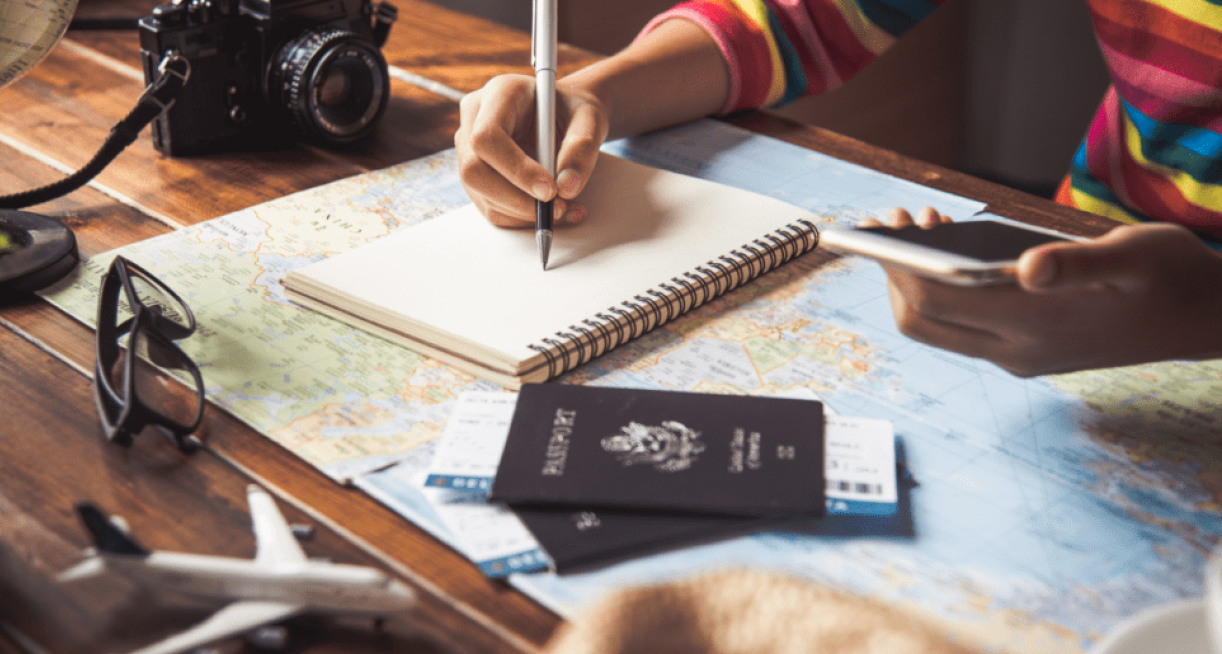

Traveling should be exciting, not stressful or unnecessarily expensive. Whether you are planning a weekend escape, a family vacation, a solo adventure, or a long international journey, a little preparation can make a big difference. Smart travel is not simply about finding the cheapest flight or hotel. It is about making thoughtful decisions that help you enjoy your trip while keeping your budget, time, and comfort in balance.
With the right approach, you can avoid common travel mistakes, discover better deals, organize your itinerary, and make your vacation more enjoyable from start to finish. Here are practical travel tips that can help you plan better trips and save more money.
Start Planning Early
One of the easiest ways to make travel more affordable is to start planning early. Last-minute bookings can sometimes bring unexpected bargains, but relying on them is risky, especially during holidays, festivals, school vacations, or popular travel seasons.
Start by deciding where you want to go, how long you want to stay, and what type of experience you want. Once you have a basic plan, compare transportation and accommodation options before making a final decision.
Early planning also gives you more choices. You may have access to better flight times, more convenient hotels, and a wider range of room types. It also gives you time to adjust your plans if prices are higher than expected.
Choose Your Travel Dates Carefully
Your travel dates can have a major effect on the total cost of a trip. Popular destinations often become more expensive during weekends, public holidays, festivals, and peak tourist seasons.
If your schedule is flexible, compare different departure and return dates. Traveling a day earlier or later can sometimes make a noticeable difference in transportation and accommodation costs.
Shoulder seasons can also be worth considering. These periods fall between peak and off-peak seasons and can offer a useful combination of reasonable prices, pleasant weather, and fewer crowds.
Instead of asking only, “When do I want to travel?” consider asking, “When can I travel for the best overall value?”
Set a Realistic Travel Budget

A travel budget helps prevent small expenses from turning into a major financial surprise.
Before leaving, estimate the main costs of your trip, including:
- Flights, trains, buses, or other transportation
- Hotel or accommodation
- Food and drinks
- Local transportation
- Attractions and activities
- Shopping
- Travel insurance
- Emergency expenses
It is also smart to keep a small reserve for unexpected costs. Delays, transportation changes, additional meals, or last-minute purchases can happen even when your trip is carefully planned.
A good budget should give you freedom rather than make you feel restricted. Decide which experiences matter most to you and spend more on those while cutting back on things that are less important.
Compare Before You Book
Never assume the first price you see is the best available option. Compare flights, hotels, transportation, and activities before booking.
Look beyond the headline price. A cheap hotel may have additional fees, expensive transportation to the city center, or fewer facilities. Likewise, a cheaper flight may have strict baggage rules or inconvenient departure times.
The real cost is what you pay overall.
When comparing options, consider price, location, cancellation policies, luggage allowances, travel time, reviews, and convenience. Sometimes paying slightly more for a better option can provide significantly better value.
Pack Light and Pack Smart


Overpacking is one of the most common travel mistakes. Carrying unnecessary luggage can make airports, train stations, public transportation, and hotel changes more difficult.
Before packing, check the expected weather and plan your clothing around it. Choose versatile pieces that can be combined in different ways.
Create a basic packing list and remove anything you probably will not use. Travel-size toiletries, comfortable shoes, essential medications, chargers, important documents, and a reusable water bottle can be more useful than bringing a large suitcase filled with unnecessary items.
Packing light can also reduce baggage fees and make your journey easier.
Be Strategic About Accommodation
Your hotel is important, but the most expensive property is not automatically the best choice.
Consider how you plan to spend your time. If you expect to explore the destination throughout the day, you may not need a luxury room with extensive facilities. A clean, comfortable, well-located property could provide better value.
Location matters too. A cheaper hotel far away from major attractions may cost more once you add daily transportation expenses.
When choosing accommodation, consider the total experience rather than simply the nightly price.
Explore Local Food


Food can become one of the biggest travel expenses, particularly when eating at tourist-focused restaurants for every meal.
Trying local food can be both affordable and memorable. Local markets, neighborhood restaurants, bakeries, cafés, and casual food stalls can provide an authentic taste of the destination without the premium prices often found in heavily touristy areas.
That does not mean you should avoid restaurants altogether. Instead, create a balance between special meals and affordable everyday options.
You can also save by booking accommodation that includes breakfast or provides access to a kitchen when appropriate.
Use Public Transportation When Practical
Taxis and private transfers are convenient, but using public transportation can significantly reduce travel costs in many destinations.
Before your trip, research local buses, trains, metro systems, airport connections, and transportation passes. Some destinations offer daily or multi-day passes that can be useful for visitors who plan to travel frequently.
Walking is another excellent option when distances are reasonable. It costs nothing and allows you to discover streets, shops, parks, architecture, and neighborhoods that you might otherwise miss.
However, convenience and safety should always come first. Choose transportation based on the destination, time of day, and your personal circumstances.
Build a Flexible Itinerary
Planning every minute of a vacation may look organized, but it can quickly become exhausting.
Instead, create a flexible itinerary. Identify the places and activities you consider essential, then leave some open time between them.
A flexible schedule gives you room to deal with weather changes, delays, tiredness, unexpected discoveries, or simply the desire to spend more time somewhere you enjoy.
You do not have to see everything in one trip. Sometimes the best travel memories come from experiences that were never included in the original plan.
Look for Free or Low-Cost Experiences
You do not need to spend a lot of money to enjoy a destination.
Many cities offer free parks, walking routes, public beaches, cultural areas, local markets, viewpoints, festivals, historic neighborhoods, and community events.
Museums and attractions may also have free-entry days or discounted periods. Research these opportunities before your trip and include a few in your itinerary.
A combination of paid attractions and free experiences can help you enjoy more while keeping your daily spending under control.
Avoid Unnecessary Travel Fees
Small fees can quickly add up. Baggage charges, foreign transaction fees, airport transfers, roaming costs, booking fees, and ATM charges can all affect your budget.
Before traveling, check what is included with your flight or accommodation. Understand baggage rules and payment requirements in advance.
If traveling internationally, check how your bank handles foreign transactions and research convenient payment options. Keep more than one payment method available in case a card does not work.
Being aware of these costs before departure is much easier than dealing with them during the trip.
Keep Important Documents Organized
Travel documents should be easy to access but protected from loss.
Depending on your destination, you may need a passport, visa, identification, tickets, hotel confirmations, travel insurance information, and other documents.
Keep digital copies of important documents in a secure location and carry essential originals when required. It is also useful to have emergency contact information available offline.
Good organization can save valuable time if something unexpected happens.
Consider Travel Insurance

Travel insurance is an expense that many travelers overlook. Depending on the policy and destination, it may provide protection for certain unexpected situations involving trip disruptions, baggage, medical emergencies, or other covered events.
The right coverage depends on your trip and personal circumstances, so read the policy carefully instead of choosing based only on price.
For expensive international trips or journeys involving multiple bookings, appropriate coverage can provide additional peace of mind.
Research Before You Arrive
A few hours of research can save you considerable time and money later.
Learn about the destination’s local transportation, weather, cultural expectations, currency, opening hours, common tourist scams, and major attractions.
You do not need to become an expert. Just knowing the basics can make your arrival much smoother.
It is also helpful to learn a few common local phrases when traveling somewhere where you do not speak the language. Even simple greetings and polite expressions can make everyday interactions easier.
Do Not Try to See Everything
One of the biggest travel lessons is that more does not always mean better.
Trying to visit too many cities or attractions in a short period can leave you tired and frustrated. You may spend more time packing, checking out, traveling, and waiting than actually enjoying the destination.
Instead, give yourself enough time to experience each place properly.
A slower itinerary can reduce transportation expenses while giving you more opportunities to enjoy local food, culture, neighborhoods, and everyday life.
Use Technology to Stay Organized

Travel apps and digital tools can make planning easier. Maps can help with navigation, translation tools can assist with communication, and booking platforms can help compare options.
Before leaving, download important information that you may need without an internet connection, such as maps, reservations, tickets, and directions.
Keep your phone charged and consider carrying a portable power bank if you expect to spend long hours away from your accommodation.
Technology should make travel easier, but it is wise to keep important information accessible offline in case you lose connectivity.
Save Money Without Missing the Experience
Saving money does not mean choosing the cheapest option every time. Smart travel is about getting good value.
Spend money on experiences that genuinely matter to you. If you love food, budget for memorable meals. If you enjoy history, prioritize museums and cultural attractions. If nature is your passion, invest in experiences that allow you to explore the outdoors.
At the same time, avoid spending simply because something is popular on social media.
The best trip is not necessarily the one with the most expensive hotel, the longest itinerary, or the largest number of attractions. It is the one that matches your interests, budget, and travel style.
Frequently Asked Questions
How can I save money on travel?
Compare prices, travel during off-peak periods, and book early when possible.
What is the best way to plan a trip?
Set a budget, choose your destination, plan transport, and organize accommodation in advance.
How can I find cheaper flights?
Keep your dates flexible and compare fares across different travel websites.
Should I book hotels in advance?
Yes, booking early can provide more choices and potentially better prices.




Leave a Reply