

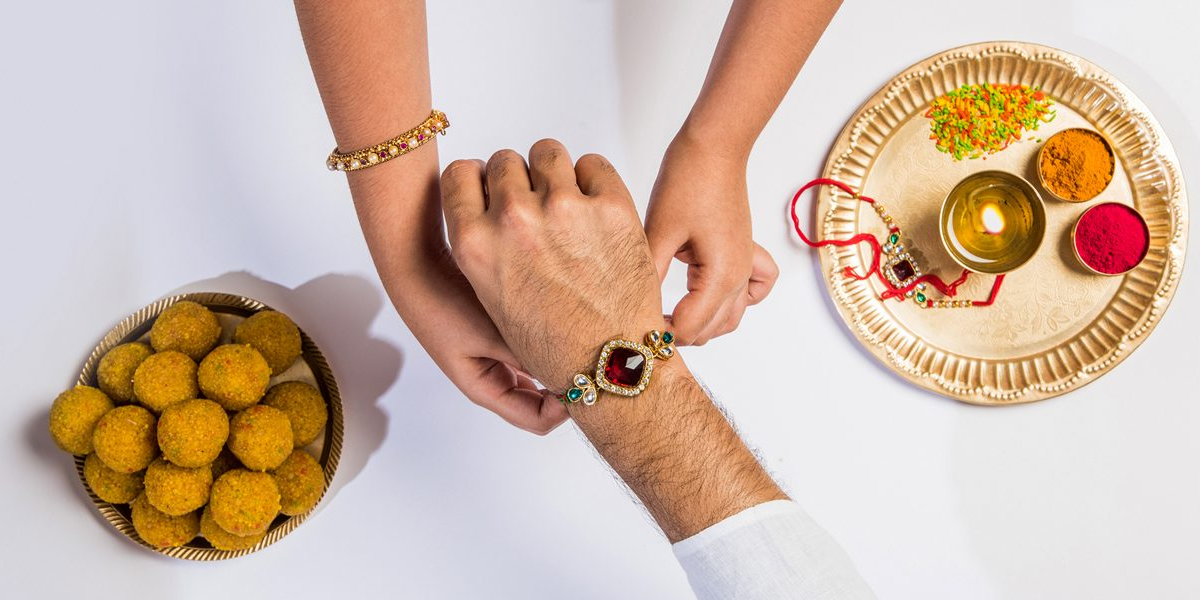

Every year, millions of households across the globe transform into hubs of vibrant colors, warm laughter, and the mouth-watering aromas of freshly made sweets. The occasion behind this joy is Raksha Bandhan, an ancient Indian festival dedicated entirely to celebrating the extraordinary bond between siblings.
Beyond the colorful threads, festive attire, and box of traditional desserts, Raksha Bandhan is an emotional anchor. It offers siblings an opportunity to pause their busy lives, reflect on shared childhood memories, and reaffirm their commitment to support one another through every phase of life.
Whether you are looking to plan ahead for the exact date and timing in 2026, understand the cultural significance behind the rituals, or learn how to care for precious keepsake Rakhis, this ultimate guide covers everything you need to know.
When is Raksha Bandhan 2026? Key Date and Muhurat Timings

Raksha Bandhan is observed on the full moon day (Purnima) of the Hindu lunar month of Shravan. Because the Hindu calendar relies on the lunar cycle, the exact date on the Gregorian calendar changes slightly every year, typically falling in mid-to-late August.
In 2026, Raksha Bandhan will be celebrated on Friday, August 28.
| Event Details | Information |
| Festival | Raksha Bandhan 2026 |
| Date | August 28, 2026 |
| Day | Friday |
| Hindu Month | Shravan Purnima |
| Key Names | Rakhi, Rakhi Purnima, Raksha Bandhan |
Why the Muhurat and Bhadra Kaal Matter

In Indian tradition, timing plays a critical role when performing sacred rituals. The auspicious window of time designated for tying the thread is known as the Muhurat.
When planning your family gathering, the most critical factor to keep in mind is avoiding Bhadra Kaal. In Hindu astrology, Bhadra refers to a specific, unfavorable astrological phase. Tying a thread or launching auspicious work during Bhadra is traditionally avoided because it is believed to bring bad luck or dilute the protective energy of the ritual.
Because exact astrological hours vary depending on your geographical location, it is always best to consult a local calendar or Panchang on the morning of August 28 to confirm the exact safe hours for your city.
The True Meaning of Raksha Bandhan
To appreciate why this festival holds such a special place in the hearts of millions, it helps to understand the literal translation of the Sanskrit words:
- Raksha: Protection, safety, or care
- Bandhan: A tie, node, or enduring bond
Put together, Raksha Bandhan translates directly to “The Bond of Protection.”
The exchange at the heart of the festival is simple yet profound:
[Sister ties sacred Rakhi & offers prayers] ➔ [Symbolic Bond Established] ➔ [Brother presents gift & promises lifelong protection]
Traditionally, a sister ties a sacred thread (Rakhi) around her brother’s right wrist. As she ties the knot, she prays to the heavens for his long life, good health, prosperity, and success. In return, the brother presents a gift—a token of his love—and makes a formal vow to stand by her, offering emotional, physical, and moral support whenever she needs it.
Expanding Beyond Biological Siblings


While the historical roots of the festival center on biological brothers and sisters, modern society has beautifully broadened the scope of Raksha Bandhan. Today, the festival is an inclusive celebration of any relationship built on trust, protection, and unconditional care:
- Cousins and Childhood Friends: For many, cousins and childhood best friends play the role of siblings. Tying Rakhis within extended social circles helps keep family ties tight, even across large geographic distances.
- Sisters-in-Law (Lumba Rakhi): In Marwari and Rajasthani traditions, sisters tie a specialized, dangling thread called a Lumba Rakhi to their sister-in-law’s (Bhabhi’s) bangle. This custom acknowledges that a sister-in-law is a vital partner in protecting and maintaining the harmony of the home.
- Sisters Tying Rakhis to Sisters: Many households with only daughters celebrate the festival among sisters, reinforcing that women are fully capable of offering mutual protection, strength, and love to one another.
- Chosen Family: People routinely tie Rakhis to mentors, military personnel, trusted neighbors, or community leaders to honor their service and protective role in society.
Ancient Legends Behind the Tradition
The spirit of Raksha Bandhan is deeply interwoven with India’s literary and spiritual history. Long before it became a commercialized holiday, sacred threads were tied to forge alliances, request sanctuary, and honor sacred promises.
1. Lord Krishna and Draupadi

The most celebrated story of Raksha Bandhan comes from the ancient Indian epic, the Mahabharata. During a fierce confrontation, Lord Krishna injured his wrist, causing it to bleed heavily. While the onlookers panicked, Draupadi, the wife of the Pandavas, acted instantly. Without a second thought, she tore a strip of fabric from her delicate silk sari and wrapped it around Krishna’s wound to stop the bleeding.
Deeply touched by her unconditional concern, Krishna promised to protect her whenever she faced hardship. He famously fulfilled this pledge years later during Draupadi’s most desperate hour in the royal court of Hastinapur, miraculously extending her sari to preserve her honor when no one else stood up for her. This story highlights that even a simple piece of cloth, given with genuine love, creates an unbreakable bond.
2. Goddess Laxmi and King Bali
Another famous legend tells the story of Goddess Laxmi and King Bali. Lord Vishnu had agreed to guard King Bali’s kingdom, leaving his heavenly residence. Wanting her husband to return home, Goddess Laxmi disguised herself as a humble woman and sought refuge in Bali’s palace.
On the full moon day of Shravan, she tied a simple cotton thread around King Bali’s wrist and offered prayers for his well-being. Moved by her gesture, King Bali offered to grant her any wish. Laxmi revealed her identity and requested that Lord Vishnu be released from his duty to return home. King Bali, honoring the sacred vow created by the thread, immediately agreed, demonstrating the immense moral authority attached to the Rakhi.

Regional Flavors: How India Celebrates Across States
India’s incredible cultural diversity means that while the core spirit of love remains identical, the festival takes on unique regional names, customs, and flavors from state to state.
North India
In states like Punjab, Haryana, Uttar Pradesh, Rajasthan, and Delhi, Raksha Bandhan is a high-energy family gathering. Families wake up early, dress in new traditional clothes, and gather around beautifully decorated prayer trays (thalis). The afternoon is centered on a grand feast featuring rich dishes like Chole Bhature, Shahi Paneer, and seasonal sweets like Ghevar.
Maharashtra and Goa (Narali Purnima)
Along the western coast, the full moon of Shravan is celebrated as Narali Purnima alongside Raksha Bandhan. The fishing community pays homage to the Sea God (Varuna) by offering decorated coconuts (Naral) to the ocean. This ritual marks the end of the heavy monsoon season and serves as a prayer for safe sailing before fishing activities resume.
West Bengal (Jhulan Purnima)
In West Bengal, the festival coincides with the final day of Jhulan Yatra, a five-day celebration honoring the divine love of Lord Krishna and Radha on lavishly decorated swings. The day is filled with devotional singing, cultural dance, and traditional Bengali sweets like Rasgullas and Sandesh, alongside the customary tying of Rakhis.
South India (Avani Avittam)
In several southern states, including Tamil Nadu, Kerala, and parts of Andhra Pradesh, the day is observed by the Brahmin community as Avani Avittam (or Upakarma). Men perform a sacred ritual to replace their holy threads (Yajnopavita), pledging a fresh commitment to learning, self-discipline, and spiritual duties.
Step-by-Step: Conducting the Rakhi Ceremony at Home


If you are hosting or participating in a traditional Rakhi ceremony, here is the standard, step-by-step routine to follow:
[1. Prepare Thali] ➔ [2. Apply Tilak & Rice] ➔ [3. Tie Rakhi Thread] ➔ [4. Perform Aarti] ➔ [5. Share Sweets & Gifts]
- Prepare the Prayer Tray (Thali): Arrange a clean brass or silver plate with essential items: a small lit lamp (diya), vermilion powder (roli or kumkum), uncooked rice grains (akshat), traditional sweets, and the Rakhi thread.
- Apply the Tilak: The brother sits comfortably facing east or north. The sister applies a small dot of red rolionto his forehead using her right thumb, followed by a few grains of rice. The tilak symbolizes wisdom, focus, and blessing.
- Tie the Sacred Thread: The sister ties the Rakhi firmly around her brother’s right wrist while reciting prayers or wishing him health and happiness.
- Perform the Aarti: She waves the lighted diya in a gentle, clockwise circular motion in front of her brother to symbolically ward off negative energies.
- Exchange Sweets and Gifts: Sister and brother feed each other sweets to bring sweetness to their relationship. Finally, the brother presents his gift alongside his vow of support.
Traditional Food and Festive Recipes


No Indian celebration is complete without an indulgent food spread. Raksha Bandhan is famous for bringing families together over lavish home-cooked meals and classic desserts.
Essential Sweets
- Ghevar: A traditional monsoon delicacy from Rajasthan made from refined flour, soaked in sugar syrup, and topped with rich condensed milk (rabri) and nuts.
- Kahu Katli: Smooth, diamond-cut fudge made from ground cashews, sugar, and cardamoms, decorated with delicate edible silver leaf.
- Kheer: A slow-cooked, creamy rice pudding flavored with milk, cardamom, saffron, almonds, and pistachios.
- Rasgulla & Rasmalai: Spongy cottage cheese balls served either in light sugar syrup or infused in sweet, saffron milk.
Popular Festive Dishes
- Chole Bhature: Spicy chickpea curry paired with deep-fried, fluffy bread.
- Shahi Paneer: Soft cottage cheese cubes cooked in a mild, velvety tomato, cashew, and cream gravy.
- Jeera Rice and Dal Makhani: Fragrant cumin-scented basmati rice served alongside slow-cooked black lentils.
- Vegetable Pakoras: Crispy vegetable fritters served hot with fresh mint and coriander chutney—a staple for rainy August afternoons.
Modern Gifting Trends for 2026

While cash envelopes and traditional dress materials remain classic choices, modern siblings are increasingly opting for functional, personal, and long-lasting gifts.
Thoughtful Gifts for Sisters
- Fine Jewelry: Dainty sterling silver bracelets, solid gold chains, gemstone pendants, or personalized initial necklaces that can be worn daily.
- Tech Essentials: Wireless noise-canceling earbuds, smartwatches, or e-readers.
- Self-Care & Wellness: Luxury perfume sets, natural skincare hampers, or spa vouchers for a relaxing day off.
Thoughtful Gifts for Brothers
- Wearable Silver Accessories: Sturdy sterling silver chain bracelets, engraved cufflinks, or religious pendants designed for everyday wear.
- Lifestyle Gear: High-quality leather wallets, classic timepieces, or travel backpacks.
- Personalized Keepsakes: Customized leather accessories, engraved keychains, or custom artwork depicting a cherished childhood memory.
The Rise of Sustainable and Precious Rakhis
A major modern trend is the shift away from cheap, single-use plastic Rakhis. Today, families prioritize:
- Silver Bracelet Rakhis: Crafted from certified 925 sterling silver, these double as stylish, permanent bracelets long after the festival is over.
- Plantable Seed Rakhis: Made from biodegradable paper or cotton embedded with plant seeds. After the ceremony, the Rakhi can be planted in a pot to grow into herbs or flowers.
- Artisan Handloom Threads: Crafted by local artisans using organic cotton, silk, and natural dyes, supporting small heritage craft communities.
How to Store and Care for Precious Metal Rakhis
If you receive or gift a high-quality silver or gold bracelet Rakhi, proper maintenance will keep it looking brand new for years to come:
- Airtight Storage: Moisture in the air causes silver to oxidize over time. Store your silver Rakhis in individual, airtight zip-lock bags or soft velvet pouches when not in use.
- Gentle Cleaning: Clean silver jewelry gently using a dry, soft microfiber cloth. Avoid using harsh chemical cleaners, paper towels, or abrasive brushes that could scratch the metal.
- Avoid Moisture and Perfumes: Put on your jewelry after applying lotions, cologne, or hair products. Never wear precious Rakhis while swimming or showering.
- Proper Disposal of Simple Threads: Traditional cotton or silk Rakhis should never be thrown into the household trash. When you take them off, show respect by immersing them in a natural body of water or placing them gently at the base of a garden tree to return naturally to the earth.
Celebrating Distance: Keeping the Bond Strong Overseas

In today’s globalized world, siblings often find themselves living in different cities or time zones. Fortunately, physical distance no longer prevents families from marking the occasion.
Virtual celebrations have become an integral part of modern Raksha Bandhan. Siblings schedule video calls to perform the ceremony together online, while reliable international courier services and specialized online marketplaces ensure that physical Rakhis, sweets, and personalized gifts arrive right at your sibling’s doorstep ahead of time.
Ultimately, Raksha Bandhan is a timeless reminder that no matter how much life changes, how far apart you live, or how busy daily schedules become, the bond between siblings remains an unbreakable source of strength, comfort, and lifelong friendship.
Frequently Asked Questions
On what day of the week will Raksha Bandhan fall in 2026?
Raksha Bandhan 2026 will be celebrated on Friday, August 28, 2026.
What is the literal meaning of the word “Rakhi”?
The word “Rakhi” comes from the Sanskrit term Raksha, which means protection. It refers to the protective thread, cord, or amulet tied around a wrist during the festival.
Why is Bhadra Kaal avoided during the Rakhi ceremony?
In Hindu astrology, Bhadra Kaal is considered an inauspicious time window. Performing sacred rituals like tying a Rakhi during Bhadra is traditionally avoided to ensure the ceremony brings only positive energy and good health.
Can a sister tie a Rakhi to another sister?
Yes, absolutely. Raksha Bandhan is a celebration of love, care, and mutual protection. Many families without brothers celebrate Raksha Bandhan between sisters to honor their lifelong bond and support for one another.
What should you do with an old thread Rakhi after removing it?
Traditional thread Rakhis should not be thrown into the garbage. Instead, place them respectfully at the base of a tree in your garden or submerge them in natural running water. Silver or gold Rakhis can be polished and safely stored in a jewelry box to wear as daily accessories.




Leave a Reply