

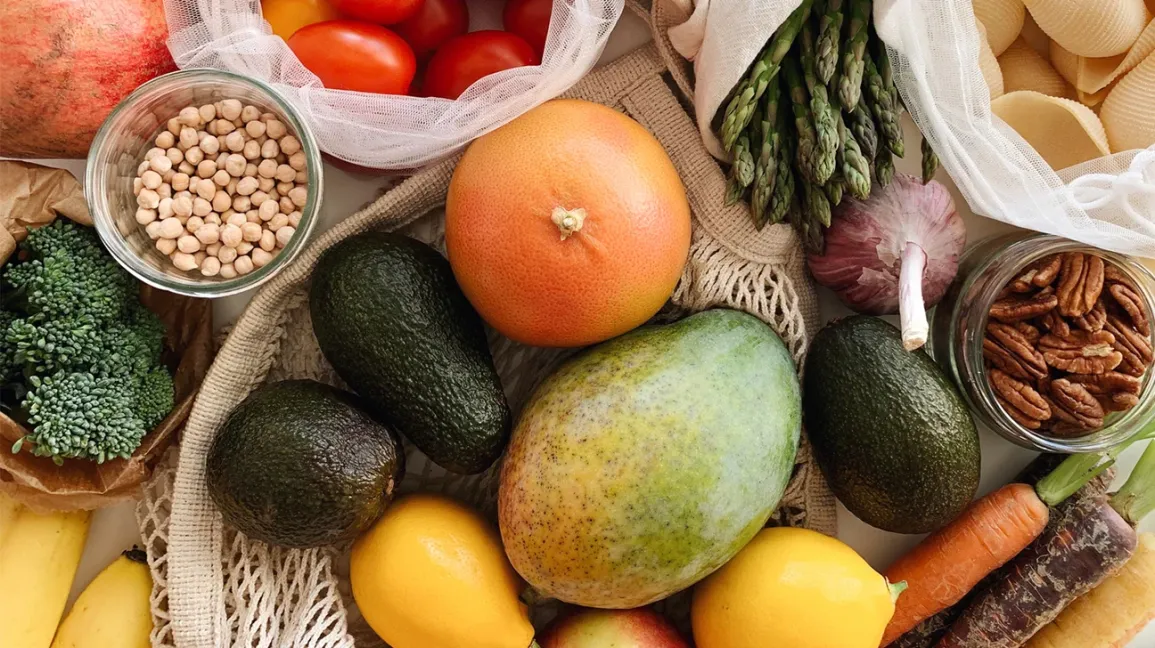

Eating well does not have to mean following a complicated diet or giving up all the foods you enjoy. In fact, some of the best foods for energy, wellness, and everyday nutrition are simple, affordable, and easy to include in regular meals. The key is choosing a variety of foods that provide essential nutrients, support steady energy, and help your body function at its best.
A balanced diet usually includes fruits, vegetables, whole grains, lean proteins, healthy fats, and plenty of water. Each food group provides different nutrients, so eating a wide variety of foods can help support overall wellness. Whether you want more energy during the day, better nutrition, or healthier eating habits, small changes to your everyday meals can make a meaningful difference.
Why Healthy Food Matters for Everyday Energy

The food you eat provides the fuel your body needs to work, move, think, and recover. Meals that are mostly made up of highly processed foods may provide quick energy, but that energy can fade quickly. On the other hand, nutrient-rich foods can help support more consistent energy throughout the day.
Complex carbohydrates, protein, fiber, vitamins, minerals, and healthy fats all play important roles in a balanced diet. For example, whole grains can provide longer-lasting fuel, while protein helps support muscles and keeps you feeling satisfied. Fruits and vegetables provide important vitamins, minerals, antioxidants, and fiber.
Instead of focusing on one “perfect” food, it is more helpful to build balanced meals and make healthy choices consistently.
Leafy Green Vegetables
Leafy greens such as spinach, kale, lettuce, collard greens, and Swiss chard are some of the most nutrient-dense foods you can add to your diet. They are naturally rich in vitamins, minerals, fiber, and plant compounds that support overall wellness.
Spinach, for example, can be added to smoothies, omelets, soups, salads, and cooked meals. Leafy greens are also a good way to add more nutrition without making meals overly heavy.
Try including a serving of leafy greens with lunch or dinner. A simple salad, sautéed spinach, or greens added to a sandwich can make a regular meal more nutritious.
Fresh Fruits


Fruits are naturally sweet and provide important nutrients, including fiber and a variety of vitamins and minerals. Apples, bananas, berries, oranges, mangoes, pears, and grapes are convenient options for snacks or meals.
Bananas are especially popular as a quick snack because they are easy to carry and can be paired with foods such as yogurt or nut butter. Berries are also a great addition to breakfast, smoothies, or oatmeal.
Choosing whole fruit instead of relying mainly on fruit juices can help you get more fiber. A colorful variety of fruits can also make healthy eating more enjoyable.
Whole Grains
Whole grains are an important source of complex carbohydrates and fiber. Unlike refined grains, whole grains contain more of the naturally occurring parts of the grain.
Good options include oats, brown rice, quinoa, whole-grain bread, barley, and whole-wheat pasta. These foods can provide satisfying energy and work well as part of balanced meals.
For breakfast, try oatmeal topped with fruit and nuts. At lunch or dinner, brown rice or quinoa can be combined with vegetables and a source of protein for a filling meal.
Eggs
Eggs are a versatile and convenient source of protein. They can be prepared in many different ways and are easy to include in breakfast, lunch, or dinner.
A simple egg-based meal can be paired with vegetables and whole-grain toast for a balanced start to the day. Eggs can also be added to salads, sandwiches, or rice-based meals.
Because they are affordable and easy to prepare, eggs can be a practical choice for people looking for nutritious everyday foods.
Beans and Lentils


Beans and lentils are excellent sources of plant-based protein and fiber. They can also be used in a wide variety of meals, making them a valuable part of a balanced diet.
Lentils can be added to soups, curries, salads, and grain bowls. Beans can be used in chili, tacos, salads, wraps, and many other dishes.
The combination of protein and fiber can help make meals more satisfying. These foods are also budget-friendly, which makes them a useful choice for healthy eating on a budget.
Nuts and Seeds
Nuts and seeds provide healthy fats, protein, fiber, and other nutrients. Almonds, walnuts, peanuts, chia seeds, flaxseeds, and pumpkin seeds can all be added to meals and snacks.
A small handful of nuts can be a convenient snack, while seeds can be sprinkled over oatmeal, yogurt, salads, or smoothies.
Because nuts and seeds are energy-dense, portion size is important. A modest serving can add flavor and nutrition without making a meal unnecessarily heavy.
Yogurt and Other Nutrient-Rich Dairy Foods
Yogurt can be a convenient source of protein and other important nutrients. Plain yogurt can be combined with fruit, oats, or nuts for a simple breakfast or snack.
Some people prefer dairy alternatives, and many plant-based products are available. When choosing these products, checking the nutrition label can help you compare protein, added sugar, and other nutrients.
A balanced yogurt bowl with fruit and seeds can be an easy option for busy mornings or afternoon snacks.
Fatty Fish
Fish such as salmon, sardines, trout, and mackerel can provide protein and beneficial fats. Including fish as part of a balanced eating pattern can add variety to your meals.
Fish can be grilled, baked, or added to salads and grain bowls. Pairing it with vegetables and whole grains creates a satisfying and nutritious meal.
For people who do not eat fish, other protein sources can be included as part of a varied diet.
Avocados
Avocados are known for their creamy texture and are a source of healthy fats and fiber. They can be added to toast, salads, sandwiches, wraps, or grain bowls.
Because of their texture, avocados can also make meals feel more satisfying. A simple meal of whole-grain toast topped with avocado and an egg can provide a combination of carbohydrates, fats, and protein.
The goal is not to rely on one food but to enjoy avocados as part of an overall balanced diet.
Colorful Vegetables
Eating a variety of colorful vegetables is one of the easiest ways to improve everyday nutrition. Carrots, bell peppers, tomatoes, broccoli, sweet potatoes, peas, and cauliflower all provide different nutrients and flavors.
A useful approach is to include different colors throughout the week. This can make meals more interesting and help you enjoy a wider variety of foods.
Roasted vegetables, vegetable soups, stir-fries, and fresh salads are simple ways to increase your vegetable intake.
Lean Protein Sources

Protein is important for many functions in the body and can help make meals more satisfying. In addition to eggs, beans, lentils, and fish, other options include chicken, turkey, tofu, tempeh, and other protein-rich foods.
A balanced plate often includes a source of protein along with vegetables and a source of complex carbohydrates. This combination can create a meal that is both satisfying and nutritionally balanced.
Choosing a variety of protein sources can also help prevent meals from becoming repetitive.
Sweet Potatoes
Sweet potatoes are a flavorful source of carbohydrates and provide fiber and several important nutrients. They can be baked, roasted, mashed, or added to soups and bowls.
They work well as a replacement for more refined carbohydrate options in some meals. Try pairing a baked sweet potato with beans, vegetables, eggs, or another source of protein.
Their natural sweetness also makes them a satisfying addition to meals without needing a lot of added ingredients.
Building Balanced Meals
Choosing healthy foods is important, but how you combine them also matters. A simple balanced meal may include:
- A source of protein
- A serving of vegetables or fruit
- A source of whole-food carbohydrates
- A moderate amount of healthy fat
For example, grilled chicken with brown rice, roasted vegetables, and avocado can create a balanced meal. A vegetarian option could include lentils, quinoa, vegetables, and seeds.
You do not need to make every meal perfect. Instead, focus on creating a generally balanced eating pattern over time.
Healthy Eating Tips for Busy Days
Busy schedules can make healthy eating feel difficult, but planning ahead can help. Keep simple foods available, such as fruit, yogurt, nuts, boiled eggs, whole-grain foods, and pre-cut vegetables.
Preparing a few ingredients in advance can also make meals easier. Cooked grains, roasted vegetables, or prepared protein sources can be combined in different ways throughout the week.
It is also helpful to avoid an all-or-nothing approach. If one meal is less nutritious than you planned, simply return to your usual balanced choices at the next meal.
The Importance of Hydration

Food is only one part of everyday wellness. Drinking enough fluids is also important for normal body function. Water is a simple choice for staying hydrated, and needs can vary depending on factors such as activity level, weather, and individual circumstances.
Replacing sugary drinks with water more often can be a simple way to improve everyday habits. Herbal teas and other unsweetened beverages may also be included in a balanced routine.
Final Thoughts
The best healthy foods for energy, wellness, and everyday nutrition are not necessarily expensive or complicated. Fruits, vegetables, whole grains, beans, lentils, eggs, fish, nuts, seeds, yogurt, and other nutrient-rich foods can all play a role in a balanced eating pattern.
Rather than searching for a single “superfood,” focus on variety, balance, and consistency. Include different types of foods throughout the week, build balanced meals, and choose foods that support your lifestyle and preferences.
Healthy eating does not require perfection. Small, realistic changes, such as adding more vegetables, choosing whole grains, including protein with meals, and keeping nutritious snacks available, can make healthy choices easier over time. When these habits become part of your everyday routine, they can support long-term wellness and help you feel more energized and nourished.
FAQ’s
1. What are the best foods for everyday energy?
Whole grains, fruits, vegetables, eggs, beans, nuts, seeds, and lean proteins can support steady everyday energy.
2. Which foods are best for overall wellness?
A variety of fruits, vegetables, whole grains, healthy fats, and protein-rich foods can support overall wellness.
3. Are healthy foods expensive?
Not always. Beans, lentils, oats, eggs, seasonal fruits, and vegetables can be affordable and nutritious choices.
4. How can I start eating healthier?
Start by adding more whole foods to your meals and gradually reducing highly processed foods.
5. Why is a balanced diet important?
A balanced diet provides a variety of nutrients that help support energy, nutrition, and overall well-being.




Leave a Reply