

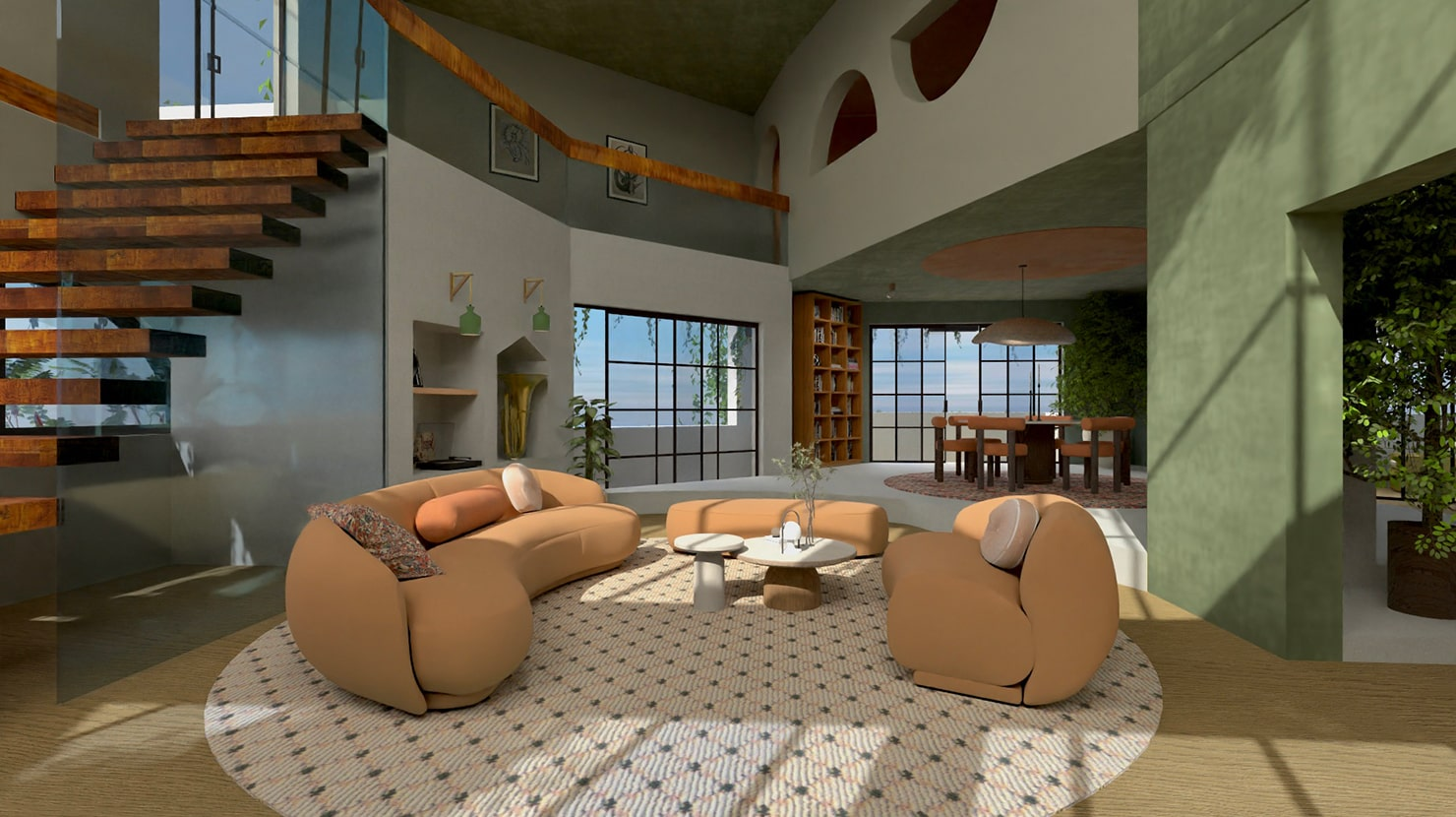

Your home is more than just a place to live—it’s where you relax, work, entertain guests, and create lasting memories. As we move through 2026, interior design continues to evolve with a stronger focus on comfort, sustainability, functionality, and personal expression. Instead of following every trend, homeowners are choosing designs that reflect their lifestyle while creating spaces that feel welcoming and timeless.
Whether you’re planning a complete home makeover or simply refreshing a single room, understanding the latest interior design ideas can help you make better decisions. This guide explores the top interior design trends, practical tips, and timeless principles that will help you create a stylish home in 2026.
Why Interior Design Matters More Than Ever

Interior design isn’t just about choosing beautiful furniture or matching paint colors. A well-designed home improves daily living by making spaces more comfortable, organized, and functional. It can even boost your mood, increase productivity, and add value to your property.
Modern homeowners are focusing on creating spaces that are flexible enough to adapt to changing lifestyles. From work-from-home offices to cozy entertainment areas, today’s homes need to serve multiple purposes without sacrificing style.
Top Interior Design Trends for 2026
The biggest design trends this year combine modern aesthetics with practical living. Instead of overly decorated spaces, homeowners are embracing simplicity, warmth, and personality.
| Interior Design Trend | Why It’s Popular |
|---|---|
| Earthy Color Palettes | Creates a calm and natural atmosphere |
| Sustainable Materials | Eco-friendly and long-lasting |
| Curved Furniture | Adds softness and elegance |
| Smart Home Integration | Improves convenience and efficiency |
| Multifunctional Spaces | Perfect for modern lifestyles |
| Natural Lighting | Makes rooms feel larger and brighter |
These trends allow homeowners to balance beauty with functionality while creating spaces that remain stylish for years.
Choose a Warm and Natural Color Palette
One of the biggest interior design shifts in 2026 is moving away from cold, sterile colors toward warmer, nature-inspired shades.
Popular colors include:
- Warm beige
- Soft white
- Olive green
- Terracotta
- Clay brown
- Muted blue
- Sand tones
These colors create a peaceful atmosphere and work beautifully with natural wood, stone, and textured fabrics.
Instead of painting every room the same color, consider using accent walls or combining complementary shades to add depth without overwhelming the space.
Invest in Furniture That Combines Style and Comfort

Furniture trends in 2026 prioritize comfort just as much as appearance. Oversized sofas, rounded chairs, and soft fabrics are becoming increasingly popular because they create inviting living spaces.
When choosing furniture, focus on quality rather than quantity. A few well-made pieces often look more luxurious than filling a room with unnecessary items.
Look for furniture that offers:
- Hidden storage
- Modular configurations
- Durable materials
- Timeless designs
- Neutral upholstery
These choices provide flexibility as your needs change over time.
Bring Nature Indoors
Biophilic design continues to dominate interior design in 2026. This approach connects indoor spaces with nature, creating healthier and more relaxing environments.
Easy ways to incorporate nature include:
- Indoor plants
- Wooden furniture
- Stone countertops
- Bamboo accessories
- Linen curtains
- Cotton fabrics
- Large windows
Even adding a few plants can dramatically improve the look and feel of a room while enhancing air quality.
Make Every Room Functional

Today’s homes often serve multiple purposes. Living rooms become entertainment centers, dining rooms double as workspaces, and spare bedrooms function as home offices.
Design your rooms around how you actually use them.
For example:
A living room can include hidden storage, comfortable seating, smart lighting, and a reading corner.
A bedroom can feature a small workspace without sacrificing relaxation.
A kitchen can incorporate additional storage while maintaining clean countertops.
The goal is to maximize functionality without making spaces feel crowded.
Smart Home Technology Is Becoming Standard
Technology has become an essential part of modern interior design. Smart devices are no longer just luxury additions—they improve convenience while blending seamlessly into home décor.
Popular smart home features include:
- Smart lighting systems
- Voice-controlled assistants
- Automated blinds
- Smart thermostats
- Wireless charging stations
- Smart security systems
These technologies make daily life easier while maintaining a clean, minimalist appearance.
Focus on Sustainable Interior Design

Eco-friendly design is one of the most significant movements shaping homes in 2026.
Many homeowners now choose:
- Recycled materials
- Energy-efficient lighting
- Low-VOC paints
- Reclaimed wood furniture
- Organic textiles
- Vintage décor
Sustainable choices reduce environmental impact while often providing higher-quality materials that last longer.
Layer Lighting for a Better Atmosphere
Lighting has the power to completely transform a room.
Instead of relying on a single ceiling light, combine different lighting sources:
- Ambient lighting for overall brightness
- Task lighting for reading and cooking
- Accent lighting for artwork and décor
Warm LED bulbs create a cozy atmosphere, while adjustable smart lighting lets you customize brightness throughout the day.
Natural light should also be prioritized by keeping windows unobstructed and using light-colored curtains.
Personalize Your Space

The best-designed homes don’t simply copy magazine layouts—they reflect the people who live there.
Personal touches may include:
- Family photographs
- Travel souvenirs
- Handmade artwork
- Favorite books
- Vintage furniture
- Unique collectibles
Mixing personal items with modern décor creates a home that feels authentic rather than staged.
Don’t Forget Texture
Texture is becoming just as important as color in modern interiors.
Mix materials like:
- Wood
- Stone
- Leather
- Wool
- Linen
- Velvet
- Glass
- Metal
Layering different textures creates visual interest even when using neutral colors.
For example, a linen sofa paired with a wooden coffee table, wool rug, and ceramic accessories creates warmth without appearing cluttered.
Declutter for a Cleaner Look

Minimalism continues to influence interior design, but today’s version is warmer and more practical.
Instead of removing everything, focus on keeping only items that serve a purpose or bring joy.
Use smart storage solutions like:
- Floating shelves
- Built-in cabinets
- Storage benches
- Under-bed drawers
- Decorative baskets
A clutter-free home instantly feels larger, cleaner, and more relaxi
Create Outdoor Living Spaces
Outdoor areas are increasingly viewed as extensions of the home.
Even small balconies can become comfortable retreats with:
- Outdoor rugs
- Comfortable seating
- String lights
- Planters
- Weather-resistant furniture
Creating functional outdoor spaces provides additional room for relaxation and entertaining.
Mistakes to Avoid When Decorating

Many homeowners spend money on expensive décor while overlooking basic design principles.
Avoid these common mistakes:
- Buying furniture that’s too large for the room
- Ignoring proper lighting
- Using too many different colors
- Following every trend without considering longevity
- Forgetting storage solutions
- Hanging artwork too high
- Blocking natural light
Planning your layout before making purchases can save both money and frustrati
Frequently Asked Questions (FAQs)
1. What are the biggest interior design trends in 2026?
The top trends include earthy color palettes, sustainable materials, smart home technology, curved furniture, multifunctional spaces, and biophilic design that incorporates natural elements.
2. How can I make my home look more luxurious on a budget?
Focus on decluttering, improving lighting, adding textured fabrics, choosing quality statement pieces, using neutral colors, and incorporating plants and mirrors to enhance the space.
3. Is sustainable interior design expensive?
Not necessarily. Many sustainable choices, such as buying vintage furniture, using LED lighting, and selecting durable materials, can save money over time while reducing environmental impact.
4. How do I choose the right color scheme for my home?
Start with neutral base colors, then add accent shades inspired by nature, such as olive green, terracotta, or muted blue. Consider your room size, lighting, and personal style before making final decisions.



Leave a Reply