

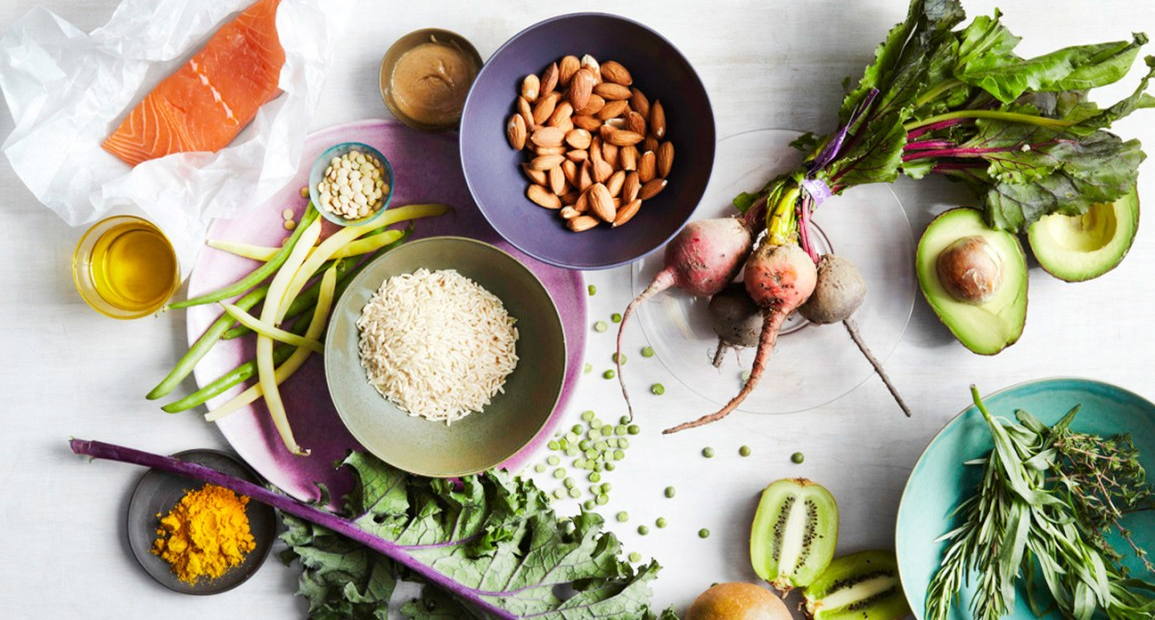

Eating healthy does not have to be complicated, expensive, or boring. With the right food choices and a little planning, healthy eating can become an enjoyable part of everyday life. From fresh fruits and vegetables to balanced meals and simple homemade recipes, the food you eat can play an important role in supporting energy, wellness, and overall quality of life.
A healthy diet is not about following strict rules or completely avoiding the foods you enjoy. Instead, it is about creating a balanced eating pattern that includes a variety of nutritious foods. Whether you want to improve your daily meals, discover easy healthy recipes, or learn more about nutrition, simple changes can make a meaningful difference.
Why Healthy Eating Matters
The food you eat provides the nutrients your body needs to function properly. A balanced diet can help support energy levels, digestion, immune function, and overall wellness. Choosing a variety of whole and minimally processed foods can also make meals more satisfying and enjoyable.
Healthy eating can be as simple as adding more vegetables to your lunch, choosing whole grains, including a source of protein with meals, and drinking enough water throughout the day. Small, consistent choices are often easier to maintain than extreme diets or sudden changes.
The goal is to develop eating habits that fit your lifestyle and can be followed for the long term.
Healthy Food Ideas for Everyday Meals

Planning nutritious meals does not require complicated ingredients. Many healthy meals can be made using simple foods that are easy to find.
Breakfast Ideas
Breakfast can provide a nutritious start to the day. Some simple ideas include:
- Oatmeal topped with berries, bananas, nuts, or seeds
- Greek yogurt with fruit and granola
- Whole-grain toast with eggs and avocado
- Smoothies made with fruit, leafy greens, yogurt, or milk
- Vegetable omelets with whole-grain toast
- Chia pudding topped with fresh fruit
A balanced breakfast often includes a combination of protein, fiber, and healthy carbohydrates. This combination can help make a meal more satisfying.
Healthy Lunch Ideas
Lunch is a great opportunity to include vegetables, lean protein, and whole grains. Try meals such as:
- Grilled chicken and vegetable salad
- Brown rice bowls with beans and roasted vegetables
- Whole-grain wraps with vegetables and lean protein
- Lentil soup with a side salad
- Quinoa bowls with chickpeas and fresh vegetables
- Homemade vegetable and bean sandwiches
Preparing lunch at home can also make it easier to control ingredients and portion sizes.
Nutritious Dinner Ideas

Dinner can be both healthy and flavorful. Some easy options include:
- Grilled fish with roasted vegetables
- Chicken with brown rice and steamed vegetables
- Vegetable stir-fry with tofu or lean protein
- Lentil curry with whole-grain rice
- Baked vegetables with beans and quinoa
- Whole-grain pasta with tomato sauce and vegetables
Using herbs, spices, garlic, ginger, lemon, and fresh ingredients can add plenty of flavor without relying heavily on excess salt or heavy sauces.
Easy Healthy Recipes to Try
Healthy cooking does not have to take hours. Simple recipes can make nutritious meals more convenient.
Vegetable and Protein Bowl
A simple bowl can include cooked brown rice, quinoa, or another whole grain as a base. Add roasted or fresh vegetables, a source of protein such as beans, lentils, chicken, tofu, or fish, and a light dressing.
This type of meal is easy to customize based on your preferences and the ingredients you have available.
Homemade Vegetable Soup

Vegetable soup is an easy way to include a variety of nutritious ingredients in one meal. You can combine vegetables such as carrots, spinach, tomatoes, onions, beans, and zucchini with herbs and a flavorful broth.
Soup can also be prepared in advance and stored for convenient meals during busy days.
Healthy Fruit Smoothie
A smoothie can be a convenient option for breakfast or a snack. Combine fresh or frozen fruit with yogurt, milk, or a plant-based alternative. You can also add leafy greens, oats, or seeds for extra nutrients.
Avoid adding too much sugar, as naturally sweet fruit is often enough to provide flavor.
Important Nutrients for a Balanced Diet
A healthy eating pattern includes a variety of nutrients. Each nutrient has an important role in supporting the body.
Protein
Protein helps support muscles and many important functions in the body. Good sources include eggs, fish, chicken, beans, lentils, tofu, yogurt, nuts, and seeds.
Including a source of protein in meals can also help make food more satisfying.
Fiber
Fiber supports digestive health and can be found in fruits, vegetables, whole grains, beans, and legumes. Increasing fiber gradually and drinking enough fluids can help support a healthy digestive system.
Healthy Fats
Healthy fats can be found in foods such as avocados, nuts, seeds, olive oil, and certain types of fish. These foods can add flavor and nutrition to meals when included as part of a balanced diet.
Vitamins and Minerals


Fruits and vegetables provide a wide variety of vitamins, minerals, and other beneficial nutrients. Eating different colors of fruits and vegetables can help add variety to your diet.
Leafy greens, berries, citrus fruits, tomatoes, carrots, and other colorful foods can all contribute to a nutritious eating pattern.
Simple Nutrition Tips for Better Living
Healthy eating is often more successful when it is practical and realistic. These simple tips can help make nutritious choices easier.
Eat More Whole Foods
Try to include more foods that are close to their natural form, such as fresh fruits, vegetables, whole grains, beans, nuts, and seeds. These foods can provide important nutrients and fiber.
Make Meals More Colorful
Adding different colors to your plate can make meals more appealing while also increasing variety. Try combining green vegetables, red or orange produce, whole grains, and a protein source.
Stay Hydrated
Water is important for everyday health. Keep water available throughout the day and consider choosing water instead of sugary drinks more often.
Plan Meals in Advance
Meal planning can reduce the temptation to rely on less nutritious convenience foods. Planning a few meals each week and preparing some ingredients in advance can save time.
Practice Portion Awareness
Healthy foods can still contribute to excess calorie intake when eaten in very large amounts. Paying attention to hunger and fullness can help you develop a better relationship with food.
Enjoy Treats in Moderation
A balanced lifestyle does not require completely eliminating favorite foods. Enjoying treats occasionally can be part of a healthy eating pattern. The overall balance of your diet matters most.
Healthy Eating on a Budget

Eating healthy does not always have to be expensive. Seasonal fruits and vegetables can be affordable choices, while beans, lentils, oats, rice, and whole grains can provide nutritious meal options at a reasonable cost.
Buying some foods in larger quantities, preparing meals at home, and reducing food waste can also help save money. Frozen fruits and vegetables can be useful alternatives when fresh produce is not available or affordable.
The key is to focus on nutritious foods that fit your budget and lifestyle.
Building Sustainable Healthy Habits
The best eating plan is one that you can maintain. Instead of trying to change everything at once, start with small goals. You might add one extra serving of vegetables each day, prepare more meals at home, or replace sugary drinks with water.
Over time, these small habits can become part of your normal routine. Healthy living is not about being perfect. It is about making better choices consistently while allowing flexibility.
Food should also be enjoyable. Experiment with new recipes, try different herbs and spices, and discover healthy foods that you genuinely like. When nutritious meals taste good and fit your lifestyle, healthy eating becomes easier to maintain.
Final Thoughts
Healthy food ideas, simple recipes, and practical nutrition tips can make better living more achievable. A balanced diet can include a wide range of foods, from fruits and vegetables to whole grains, protein-rich foods, and healthy fats.
The most important step is to focus on consistency rather than perfection. Small improvements in your daily eating habits can help create a healthier and more balanced lifestyle over time. By choosing nutritious ingredients, preparing simple meals, staying hydrated, and enjoying food in moderation, you can make healthy eating a natural part of everyday life.
FAQ’s
1. What is a healthy diet?
A healthy diet includes a variety of fruits, vegetables, whole grains, protein-rich foods, and healthy fats.
2. What are easy healthy meal ideas?
Salads, grain bowls, vegetable soups, smoothies, stir-fries, and grilled protein with vegetables are simple healthy options.
3. How can I start eating healthier?
Start by adding more whole foods to your meals and reducing highly processed foods and sugary drinks.
4. Is healthy eating expensive?
Not always. Beans, lentils, oats, seasonal produce, rice, and homemade meals can be affordable and nutritious.
5. Can I enjoy treats while eating healthy?
Yes. Occasional treats can be part of a balanced diet when enjoyed in moderation.



Leave a Reply