

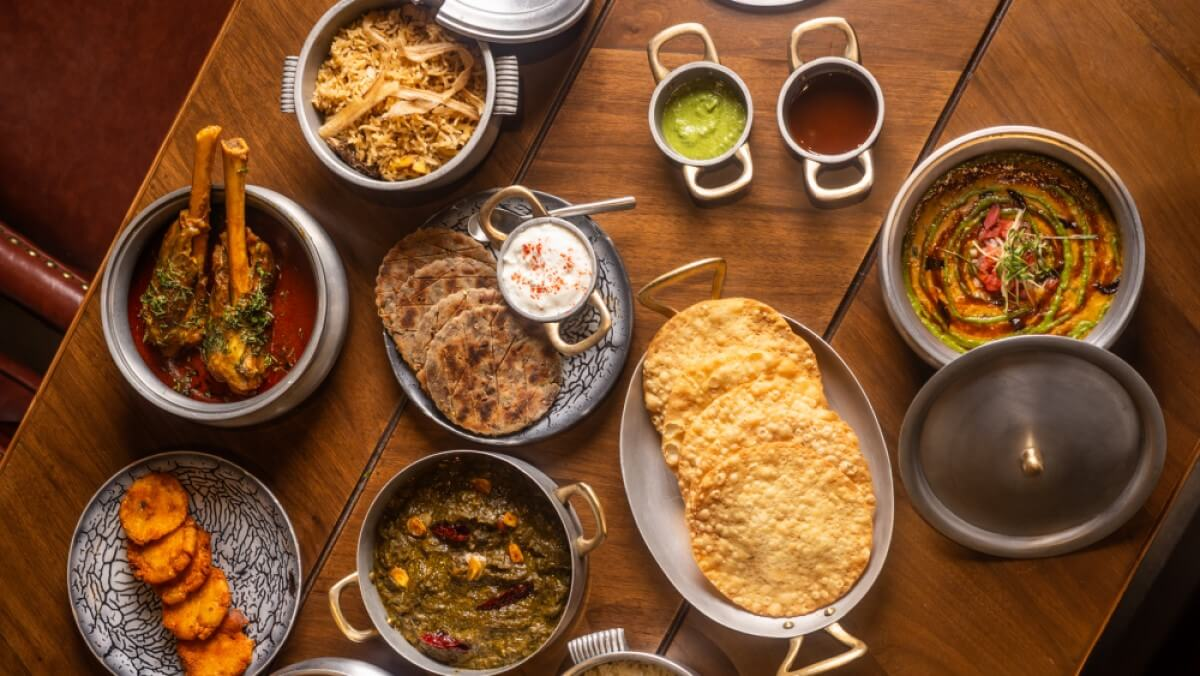

The experience of sitting down to a meal in India is rarely just about food. It is an immersive sensory journey—a living, breathing dialogue between soil, history, season, and soul. To travel across the subcontinent through its kitchens is to realize that “Indian cuisine” is not a single monolith.
Instead, it is a vast, interconnected ecosystem of local identities, generational wisdom, and regional geography. From the snow-capped borders of the far north down to the sun-soaked, palm-fringed coastlines of the south, every dish carries a sense of place and a story of the people who shaped it.
The Symphony of Spice and the Philosophy of the Plate

To truly understand Indian cooking, one must dispel the common myth that it is defined merely by high heat or fiery chili. At its core, the culinary craft relies on the delicate art of balance. Spices are not thrown together haphazardly; they are layered with deep, intentional thought. Whole cumin, mustard seeds, and cardamom are bloomed in hot oil or ghee—a technique known across regions as tadka or phoron—to release their essential oils and establish a fragrant foundation for the entire dish.
This nuanced approach creates dishes that nourish both body and spirit. A simple bowl of lentils simmered with turmeric and tempered with garlic can feel just as luxurious as an elaborate feast prepared for a wedding. Food is deeply tied to the rhythms of daily life, changing with the arrival of monsoon rains, the crisp chill of winter, or the scorching heat of summer.
A Tour of Timeless Culinary Expressions
Across the country, certain iconic dishes have come to represent the heart and soul of their home regions. Each offers a unique window into local heritage and kitchen philosophy.
The Comfort of Rich Curries: Butter Chicken
Born in the bustling kitchens of post-independence Delhi, Murgh Makhani (Butter Chicken) revolutionized the way tender tandoori meats were served. Tender, charcoal-singed chicken is gently folded into a velvety sauce made of sun-ripened tomatoes, butter, fresh cream, and subtle hints of dried fenugreek leaves (kasuri methi). It offers an approachable, deeply comforting entrance into the world of spiced gravies.
The Art of Patience: Biryani
Biryani is far more than a simple rice dish; it is an architectural marvel of culinary technique. Using the slow-cooking method known as dum, marinated meat or vegetables are layered with parboiled basmati or local aromatic rice, sealed in a heavy pot with dough, and left to steam over low embers
As the steam circulates inside the sealed vessel, the aromatic spices, saffron, and juices infuse every single grain of rice, creating an unforgettably fragrant symphony of flavor.


The Energetic World of Street Food Culture
If formal dining showcases India’s culinary elegance, its street stalls reveal its raw, joyous pulse. On busy city corners and seaside promenades, street food vendors serve as culinary performance artists, feeding thousands with speed, flair, and infectious pride.
- Vada Pav (The Soul of Mumbai): A spiced, golden-fried potato dumpling tucked snugly inside a soft bread roll, slathered with dry garlic chutney and served alongside a blistered green chili. It is the ultimate fuel for millions of daily commuters.
- Pani Puri / Puchka: Tiny, hollow, crisp spheres filled with spiced potatoes or chickpea mash, dipped into chilled, tangy mint-coriander water and sweet tamarind chutney. Eaten in a single bite, it provides an explosive contrast of temperatures, textures, and flavors.
- Tandoori Specialties: Skewers of marinated meats and paneer lowered into glowing clay ovens (tandoors), emerging with a distinct smokiness and blistered exterior that no modern stove can truly replicate.
South Indian Heritage: Crisp Textures and Coastal Flavors

Moving southward, the landscape shifts toward lush coconut groves, emerald rice paddies, and vast coastlines. Here, the culinary language evolves dramatically, leaning heavily on rice, lentils, curry leaves, mustard seeds, and fresh coconut.
The iconic Masala Dosa stands as a testament to this coastal mastery. Made from a fermented batter of soaked rice and black lentils, it is poured onto a roaring hot griddle and spread ultra-thin until crisp and golden. Stuffed with a fragrant, turmeric-laced potato mash and paired with freshly grated coconut chutney and piping-hot vegetable sambar, it offers a clean, invigorating meal that is as nutritious as it is delicious.
Sweet Traditions: Celebration in Every Bite
No discussion of Indian food can be complete without acknowledging its profound sweet-making (mithai) traditions. Sweets are not viewed merely as an occasional end to a dinner; they are symbols of joy, good fortune, and shared human connection.
The beloved Gulab Jamun—golden, pillowy spheres crafted from reduced milk solids—are fried gently until brown and then submerged in a warm syrup scented with cardamom and rosewater. Each bite yields a soft, melt-in-your-mouth sweetness that has brought smiles to family gatherings for generations.
The Enduring Charm of the Shared Meal
Ultimately, what makes the culinary traditions of India so captivating is their deeply human core. Food here remains a powerful bond that connects families across generations, welcomes strangers like old friends, and turns humble everyday ingredients into memorable feasts. Whether enjoyed from a banana leaf at a quiet roadside eatery or served in a bustling family dining room, a meal here is always an invitation to slow down, savor the moment, and share in the boundless warmth of human hospitality.

FAQ’S
1. What is the most famous food in India?
Butter Chicken, Biryani, and Masala Dosa are among India’s most famous dishes.
2. Which Indian dish is best for first-time visitors?
Butter Chicken is a great choice because it is flavorful and mildly spiced.
3. What is India’s most popular street food?
Pani Puri and Vada Pav are two of the most popular Indian street foods.
4. Is Indian cuisine suitable for vegetarians?
Yes, India offers a wide variety of delicious vegetarian dishes.
5. What dessert should I try in India?
Gulab Jamun is one of the most loved traditional Indian desserts.




Leave a Reply