

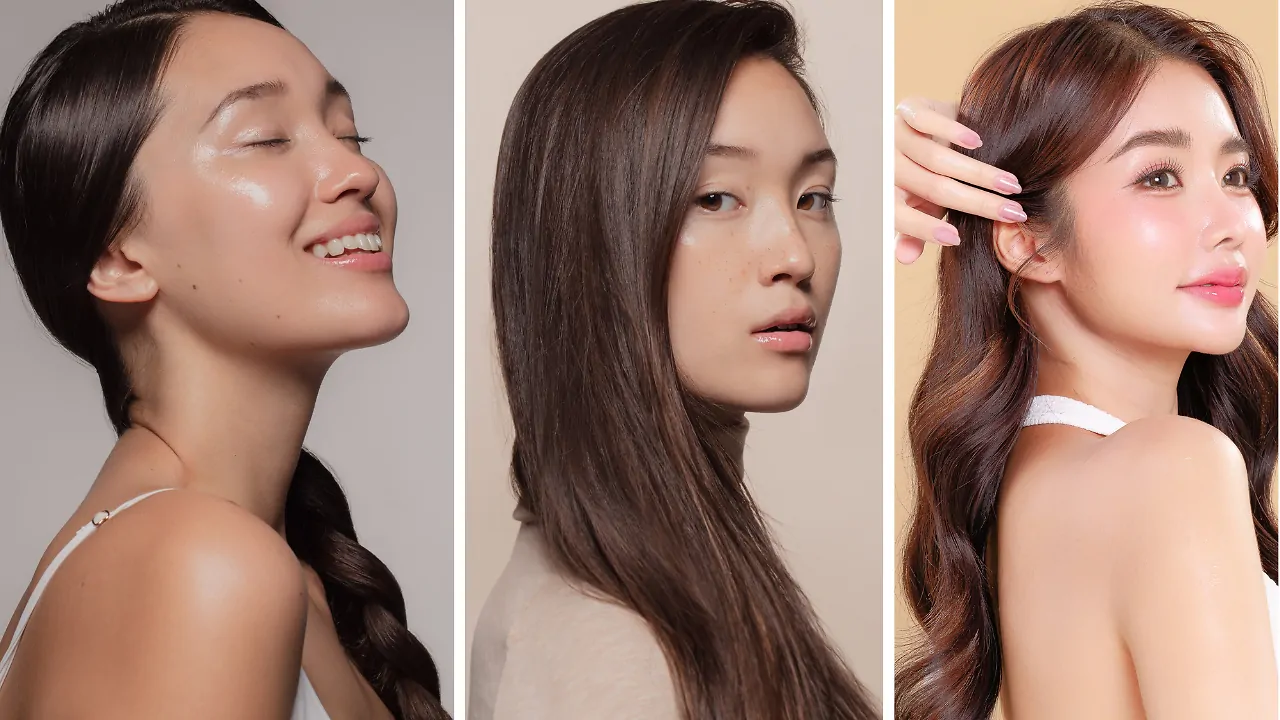

Healthy, shiny hair doesn’t always need pricey salon treatments or a shelf crammed with products. A lot of the time, the difference comes from a simple routine and giving your hair the care it actually needs. Korean hair care has become so popular because it focuses on scalp health, gentle cleansing, proper hydration and regular upkeep instead of quick fixes.
If you’ve followed Korean beauty trends, you probably know their skincare routines come with lots of small steps. Hair care works in a similar way. It isn’t just about the strands. It also looks after the scalp, the moisture balance and protection from everyday damage.
The good news is you don’t have to follow every trending step to get started. A few suitable products and some consistent habits can make your hair smoother, healthier and shinier over time. Here’s how to build a Korean hair care routine that fits easily into your daily life.
Start with Your Scalp


In Korean hair care, the scalp comes first. Think of it as the foundation of a house. If the foundation isn’t in good shape, it doesn’t matter how nice everything on top looks. In the same way, if your scalp is oily, itchy or uncomfortable, even your favourite hair products won’t give you the results you want.
So begin by working out your scalp type. Some people get oily within a day, especially in humid weather or after sweating. Others deal with dryness, tightness and flaking. Some have a mix of both. Notice how your scalp feels by the evening of a wash day and again on the second or third day. That small observation tells you a lot about what it needs.
Once you pick products that match your scalp, everything else in your routine starts working better. A conditioner or serum can only do so much if the scalp underneath is struggling.
Pick a Gentle Scalp Shampoo
Look for a shampoo that clears away dirt, sweat and extra oil without leaving your scalp feeling tight or squeaky. That tight feeling usually means the shampoo is a bit too harsh for you. Ingredients like tea tree, green tea or mild cleansing agents are worth a look, as long as they suit your scalp.
Use your fingertips to massage it in, not your nails. Scratching can irritate the skin and make the scalp feel sore. Spend most of the time on the roots, since that’s where oil and product buildup tend to collect. The lengths of your hair will get cleaned as the shampoo rinses down, so there’s no need to scrub them.
You also don’t need to wash every day, unless your scalp gets very oily or you sweat a lot. If you work out often, travel in hot weather or live in a polluted city, you may need to wash more frequently. If your scalp is dry, every second or third day might be enough. Just find a rhythm that keeps your scalp comfortable and your hair feeling fresh.
Use a Scalp Treatment
Scalp treatments are a big part of Korean routines. They’re designed to refresh your scalp and clear out leftover product residue that a regular shampoo might not fully remove. Over time, that buildup can make hair look flat and feel heavy, and it can leave the scalp feeling itchy.
If you often use dry shampoo, styling creams or hair sprays, a scalp scrub or exfoliating treatment can really help. It works a bit like a facial exfoliant, but for your scalp. Just don’t turn it into a daily habit. Using it too often can leave the scalp irritated or dry, which defeats the purpose.
How to Apply Scalp Treatments
Choose one that suits your scalp and follow the instructions on the pack. Different products work in different ways. Some are meant to be used on a dry scalp before shampooing, while others go on wet hair. Reading the directions once saves you from using it the wrong way.
Apply it gently, section by section if your hair is thick, and massage with light pressure. You’re not trying to scrub hard. Rinse well if the product asks you to, because leftover residue can cause the same buildup you were trying to remove.
If your scalp is sensitive or irritated, stay away from harsh scrubs and strong exfoliating ingredients. A gentle shampoo might be all you need for regular cleansing.
The goal is a clean, comfortable scalp, not a stripped one. If your scalp feels tight, red or itchy after a treatment, cut back or stop using it.
Add a Nourishing Conditioner

Shampoo cleans, but conditioner is what makes hair soft and easy to handle. If your hair feels rough or straw-like after washing, skipping conditioner might be why. Shampoo removes oil and dirt, and conditioner puts back the smoothness that makes hair feel good to touch and easier to comb.
Korean hair products usually focus on moisture and smoothness. A nourishing conditioner can cut down on tangles, make combing much easier and reduce the breakage that happens when you pull a brush through knots.
Apply It the Right Way
After shampooing, squeeze out the extra water with your hands. Hair that’s dripping wet dilutes the conditioner, so it won’t work as well. Put the conditioner on the mid-lengths and ends, not straight onto your scalp. The ends are the oldest and driest part of your hair, so they need the most care. Applying it to the scalp can make roots look greasy and weighed down.
Leave it on for the time mentioned on the label, then rinse it out thoroughly. A quick comb through with your fingers or a wide-tooth comb while it’s in your hair can help spread it evenly.
If your hair gets tangled after a wash, look for a conditioner with ingredients like:
- Argan oil for softness
- Panthenol for moisture support
- Hydrolyzed proteins for a better hair feel
- Glycerin to help attract and hold moisture
Match the formula to your hair. Fine hair usually does better with something lightweight, because a heavy conditioner can make it limp. Thick or dry hair may love a richer formula that gives it more slip and softness.
Use a Hair Mask Once a Week
When your hair feels dry, dull or hard to manage, a hair mask can make a big difference. Many masks are made for deeper conditioning than a regular conditioner, so they give your hair an extra boost of softness and smoothness. Think of it as a weekly treat that helps your hair recover from the wear and tear of daily life.
Korean hair masks are popular for the smoothness, softness and shine they bring. They’re especially useful if your hair deals with heat styling, colouring or pollution. If you straighten your hair often, spend lots of time in the sun or have coloured hair, a weekly mask can help it look healthier and feel less brittle.
Getting Better Results from Masks
Wash your hair first and gently squeeze out the water. Towel-dry lightly if needed, so the mask doesn’t slide off. Apply the mask to the lengths and ends, and leave it on for the recommended time. Setting a timer helps, because it’s easy to lose track while you’re doing other things in the shower.
Go easy on the amount. A thicker layer doesn’t make it work better. It just makes rinsing harder and can leave hair feeling coated.
If your hair is naturally fine, start with a small amount so it doesn’t feel heavy. You can always add a little more next time. For dry or damaged hair, a weekly mask can improve how it looks and how manageable it is. Be patient, though. The benefits build up over a few weeks of regular use, not after one session.
Finish with a Lightweight Serum

A hair serum is one of the easiest ways to add shine. It smooths the surface of your hair, calms frizz and makes the ends look neater. It’s the finishing touch that gives hair a polished, glossy look.
It’s especially handy if your hair turns rough after blow-drying or gets tangled during the day. A small amount can make hair feel smoother and easier to run your fingers through, and it helps ends look less dry and split.
When to Apply Serum
You can use it on slightly damp hair after washing, which helps it spread evenly and works well for taming frizz as your hair dries. Or you can put a little on dry hair whenever you need a quick touch-up, like before heading out or after styling.
Rub one or two drops between your palms and run them through the mid-lengths and ends. Starting with less is better, because you can always add more. Keep it away from the roots, especially if your scalp gets oily, since serum there can make hair look greasy.
Formulas with silicones or lightweight conditioning oils can work well, if they suit your hair. They reduce friction between strands and boost shine. If your hair feels coated or heavy after using a serum, switch to a lighter formula or use less.
Protect Your Hair from Heat and Sun
Good hair isn’t only about what you do after a wash. Your daily habits matter too. You can use the best products in the world, but if your hair faces constant damage, it’ll be hard to keep it healthy and shiny.
Straightening, curling and blow-drying often can leave hair dry and brittle over time. Strong sun, pollution and rough towels can add to the damage by roughening the outer surface of the hair, which makes it look dull and frizzy.
Simple Habits That Help
Before using a straightener, curling iron or blow-dryer, put on a suitable heat protectant. It forms a light barrier that helps reduce the stress heat puts on your hair. Keep the temperature reasonable, since higher isn’t always better, and don’t pass the tool over the same section again and again. If your hair is fine or already damaged, a lower setting is usually safer.
A few other easy changes:
- Dry your hair with a microfiber towel or a soft cotton T-shirt, instead of rubbing it hard with a rough towel
- Don’t brush wet hair roughly, because wet hair is more fragile and breaks easily
- Use a wide-tooth comb to ease out tangles, starting from the ends and working up
- Cover your hair with a hat or scarf in strong sunlight
- Avoid sleeping with tight hairstyles
These little things prevent a lot of unnecessary breakage and keep your hair looking smoother. None of them take much time, but together they make a real difference.
Try Overnight Care for Extra Softness

If your hair gets dry or tangled while you sleep, a few simple night-time habits can change how it feels in the morning. Nothing complicated is needed. You don’t have to add a long routine to your bedtime. Just a couple of small steps can help you wake up to smoother, easier hair.
Before bed, gently detangle your hair with a wide-tooth comb or soft brush. This stops small knots from turning into big ones overnight. If you need it, add a tiny bit of lightweight serum to the dry ends for extra softness.
Switch to a Satin or Silk Pillowcase
Cotton pillowcases create friction as you move around in your sleep, which can rough up the hair surface and cause tangles and frizz. Satin or silk can help reduce that friction, so your hair glides instead of catching.
With long hair, a loose braid works well because it keeps strands together and stops them from rubbing and knotting. Avoid tight styles that pull on your roots, since they can cause tension and discomfort.
A soft scrunchie is also kinder than a regular elastic band, which can pinch and snag hair. It’s a small swap, but it makes your night routine a bit more comfortable and gentler on your hair.
Choose Products for Your Hair Type
Not every trending Korean product will work for everyone. A product that gives one person glossy, smooth hair might leave someone else’s hair greasy or weighed down. Let your hair texture, scalp condition and daily routine guide your choices, instead of buying something just because it’s popular online.
Here’s an easy way to pick:
| Hair Type | Products to Consider |
|---|---|
| Dry hair | Moisturising shampoo, rich conditioner and hair mask |
| Oily scalp | Lightweight shampoo and scalp-friendly treatments |
| Frizzy hair | Smoothing conditioner and hair serum |
| Fine hair | Lightweight conditioner and non-greasy serum |
| Damaged hair | Conditioning mask and heat protectant |
There’s no need to buy a whole Korean collection at once. It’s expensive, and it’s hard to tell which product is actually helping. Start with a gentle shampoo, a conditioner that suits you and a serum. Use them for a few weeks and see how your hair responds. Add more only when you understand what your hair needs, whether that’s more moisture, better scalp care or extra protection.
Support Your Hair with Good Daily Habits
Hair care doesn’t stop in the bathroom. How you live every day affects how your hair looks too. Products can improve the appearance of your hair, but your overall lifestyle supports it from within.
A balanced diet with protein, iron, zinc and essential vitamins supports normal hair growth and your overall health. Eggs, lentils, nuts, leafy vegetables and dairy can all be part of that. Hair is largely made of protein, so eating enough of it matters, and a varied diet helps cover the other nutrients your body needs.
Drink enough water through the day, and stay away from extreme diets that cut out important nutrients. Crash diets and skipping meals can affect how your hair looks and feels, so steady, balanced eating is a better choice.
And give it time. Hair doesn’t turn healthier overnight, because it grows slowly and changes show up gradually. Steady care, gentle styling and the right products matter far more than trying a new trending treatment every week. Staying consistent for a couple of months will tell you much more than jumping between routines.
Follow a Simple Weekly Schedule
If you’re new to Korean hair care, too many steps can feel overwhelming. It’s easy to buy everything at once, get confused about what to use when and give up after a week. A simple weekly plan makes it easier to stay consistent and helps the routine become a habit.
| Routine | What to Do |
|---|---|
| Wash days | Gentle shampoo and conditioner |
| Once a week | Nourishing hair mask |
| As needed | Scalp treatment |
| After washing | Lightweight hair serum |
| Before heat styling | Heat protectant |
| Every night | Gentle detangling and loose hairstyle |
Tweak it to fit your scalp and hair. Someone with an oily scalp may need to wash more often than someone with dry hair, for example. If your hair feels heavy, cut back on products. If it feels dry, add a bit more moisture. Your routine should work for you, not the other way around.
FAQ’s
1. What is a Korean hair care routine?
A Korean hair care routine focuses on scalp health, gentle cleansing, hydration and hair protection.
2. How can I make my hair shiny naturally?
Use a suitable shampoo, conditioner and hair serum while avoiding excessive heat styling.
3. How often should I use a Korean hair mask?
Using a nourishing hair mask once a week is a good starting point.
4. Is Korean hair care suitable for all hair types?
Yes, you can adjust Korean hair care products according to your scalp condition and hair type.
5. Which Korean hair care products are best for dry hair?
Moisturising shampoos, nourishing conditioners, hair masks and lightweight serums can help manage dry hair.




Leave a Reply