

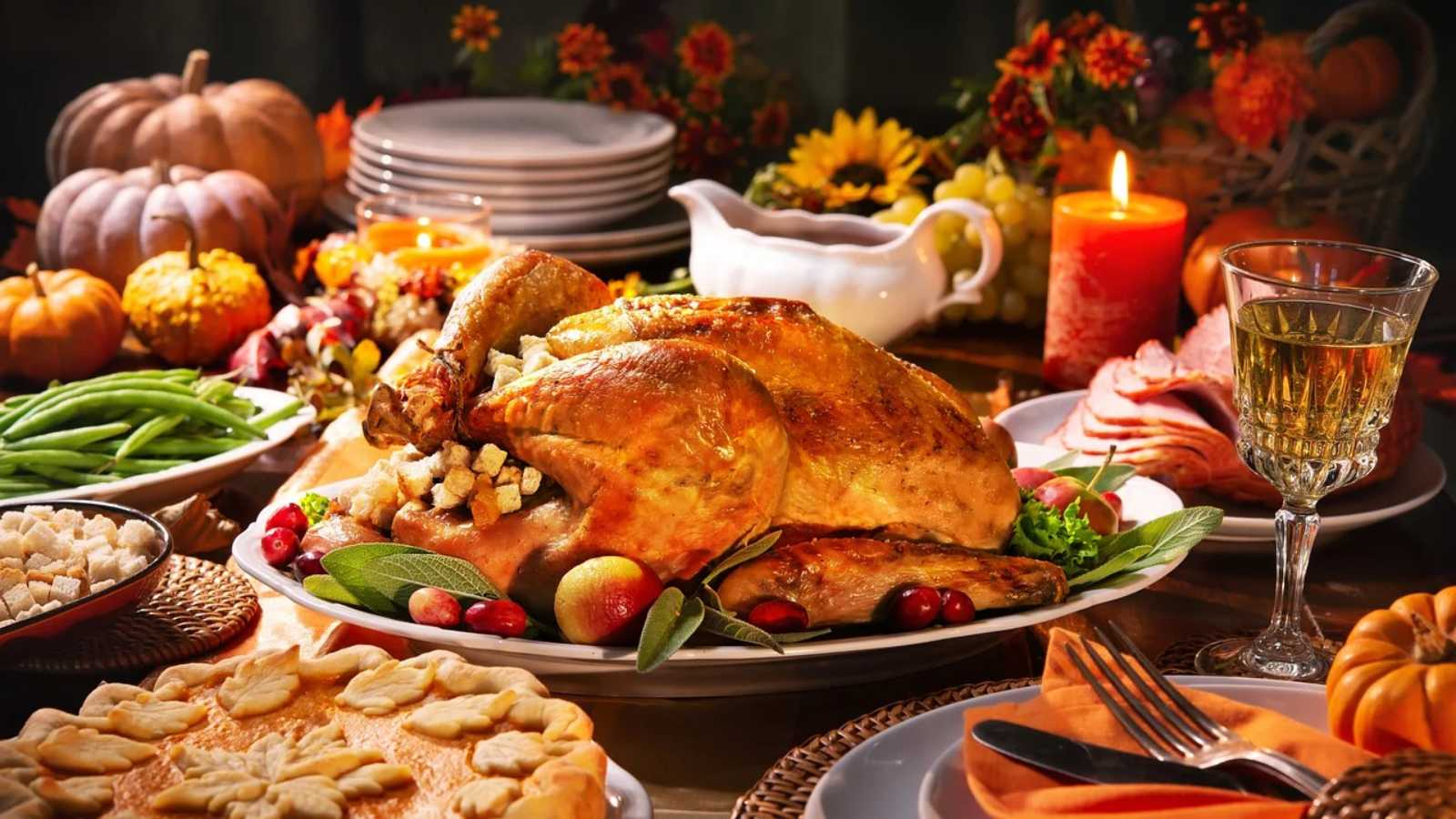

There is a persistent, globally ubiquitous myth that American cuisine begins and ends with the drive-thru window—a sterile landscape of plasticized cheese, hyper-processed patties, and paper cups the size of bucket hats. To view the foodways of the United States through this narrow lens, however, is to mistake the wrapper for the meal. In reality, American food is not a single, monolithic culinary style, but a sprawling, hyper-regional, and intensely creative tapestry. It is an edible ecosystem forged by geographical abundance, indigenous intelligence, waves of global migration, and a uniquely American penchant for relentless reinvention.
To truly understand how people eat in America, one must look at the country’s geography and history. The United States is vast, encompassing everything from temperate rainforests and arid deserts to fertile river deltas and sub-tropical coastlines. Long before European sails appeared on the horizon, Native American nations were cultivating sophisticated agricultural systems—the legendary “Three Sisters” (corn, beans, and squash) formed the nutritional backbone of societies from the Eastern Woodlands to the Southwest, alongside wild game, native berries, pecans, and cold-water sea life.
When wave upon wave of immigrants arrived—bringing with them the preserved memory of their homelands in the form of seeds, spices, and heirloom techniques—these foodways collided with indigenous ingredients. Enslaved West Africans brought okra, black-eyed peas, and deep-frying mastery; German butchers brought sausage-making and curing crafts; Italian immigrants re-imagined Southern Mediterranean baking using high-protein American wheat; and Asian farmworkers transformed the agricultural landscape of the Pacific Coast.
What emerged was a food culture that is wildly eclectic, deeply soulful, and constantly shifting.
The Smoke and the Oak: The Ritual of American Barbecue

If you want to spark an immediate, passionate argument among Americans, ask a room full of people from different states to define “real barbecue.” Barbecue in the U.S. is not a technique for cooking hot dogs on a gas grill over your weekend—that is simply a cookout. Barbecue is an ancient, low-and-slow alchemy of hard wood smoke, animal protein, precise temperature control, and immense patience.
Barbecue is fundamentally regional, birthed from the intersecting pathways of indigenous smoke-curing traditions, African pitmaster genius, and European livestock farming:
- Central Texas: Heavily influenced by 19th-century Czech and German butchers, Texas barbecue centers almost exclusively on beef brisket. Seasoned sparingly with coarse kosher salt and cracked black pepper, the meat is smoked over post oak logs for up to 18 hours until the fat renders completely, leaving a dark, caramelized “bark” and a tender, rosy smoke ring beneath. Sauce is considered an insult; the meat speaks for itself.
- The Carolinas: In the coastal plains of North and South Carolina, pork reigns supreme. Whole hogs or shoulders are pit-smoked over hickory embers. In eastern North Carolina, the sauce is a bone-dry, spicy blend of cider vinegar and crushed red pepper that cuts right through the rich, fatty pork. Travel south into South Carolina, and you encounter the “Carolina Gold” tradition—a tangy, golden mustard-based sauce introduced by 18th-century German settlers.
- Kansas City: Positioned historically as a massive stockyard hub, Kansas City takes a hyper-inclusive approach, smoking beef, pork, chicken, and sausage over hickory wood. It is famous for “burnt ends”—crispy, deeply caramelized nuggets carved from the fatty point of a beef brisket—served slathered in a thick, sweet, molasses-and-tomato-heavy sauce.
- Memphis: Famous for dry-rubbed pork ribs packed with paprika, garlic powder, onion, and cayenne, cooked slowly until the meat yields effortlessly off the bone.
The Soul of the South and the Heritage of Fried Chicken
Southern food—often colloquially termed “Soul Food”—represents one of America’s most profound and culturally significant culinary gifts. Born out of the painful, complex history of the antebellum South, enslaved African cooks transformed unwanted, tough, or discarded ingredients into masterpieces of comfort and deep flavor through genius seasoning, slow simmering, and inventive technique.

Consider Fried Chicken. While many cultures fry poultry, the Southern version is iconic: bone-in chicken pieces are marinated in cultured buttermilk—the acidic enzymes gently breaking down protein fibers while tenderizing the meat—before being dredged in flour seasoned generously with black pepper, garlic, cayenne, and paprika. When submerged in bubbling rendered lard or high-smoke-point peanut oil in a heavy cast-iron skillet, the exterior transforms into a jagged, golden-brown armor that locks in steaming, aromatic juices.
Served alongside a basket of steaming, flaky buttermilk biscuits, collard greens slow-simmered with smoked pork hocks until the broth (known as “potlikker”) becomes rich and savory, and creamy stone-ground grits, Southern food isn’t just sustenance—it is an embrace.
Coastal Alchemy: Seafood and Regional Waterways
America’s thousands of miles of coastline have birthed seafood traditions that are tied intimately to local geography, maritime ecology, and historic fishing communities.
The Atlantic Coast: Clams, Crabs, and Chowder

In New England, cold Atlantic waters produce sweet, plump soft-shell clams and hard-shell quahogs.Further down the eastern seaboard, the Chesapeake Bay region of Maryland is legendary for its Blue Crabs. Summer in Maryland is marked by table tops covered in brown butcher paper, wooden mallets, and mountains of steamed crabs dusted liberally with Old Bay seasoning—a sharp, fragrant blend of celery salt, red pepper, mustard, and cinnamon.
The Gulf Coast: Cajun and Creole Crossroads
In the bayous and urban kitchens of Louisiana, seafood hits a crescendo of complexity through two distinct but intertwined regional cuisines:
- Creole: Rooted in urban New Orleans, Creole cooking reflects a sophisticated European-African fusion featuring rich tomato-based sauces, delicate herbs, and butter.
- Cajun: Born in the rural swamps and prairies from French-Canadian Acadian refugees, Cajun cooking is rustic, land-focused, and heartier.
Both traditions meet in Gumbo—a rich, dark stew built upon a “roux” (flour and fat cooked together until it reaches the color of dark chocolate), the “Holy Trinity” of Southern cooking (diced onions, bell peppers, and celery), wild seafood, spicy smoked andouille sausage, and thickened with either okra or ground sassafras leaves (filé powder).
The Anatomy of Modern Street Icons: Burgers and Pizza
While fast-food chains have commodified these dishes for mass export, the authentic, artisanal versions found in neighborhood diners, mom-and-pop shops, and street corners across the U.S. tell a completely different story.


The Great American Burger Architecture
The hamburger is an exercise in structural harmony and thermal engineering. From its humble origins as the “Hamburg steak” brought by German immigrants, it evolved into an American street-food staple when cooks realized that placing the seared beef between two slices of bread made it portable for factory workers.
The peak of modern burger culture is the Smash Burger: a ball of high-fat ground beef (typically an 80/20 blend of chuck and brisket) smashed flat onto a blistering hot cast-iron flat-top grill using a heavy press. This extreme contact triggers an intense Mallard reaction, creating a lacy, ultra-crispy edge while trapping juices inside. Topped with a slice of gooey, emulsified American cheese, crisp pickles, and a squirt of yellow mustard on a toasted potato bun, it is a triumph of texture and taste.
Regional Pizza Ideologies
Pizza in America is not a monolith; it is an ideological battleground:
- New York Style: Descended directly from Neapolitan bakers who settled in Manhattan, NY pizza features large, thin, wide slices cooked at ultra-high heat. The dough is fermented slowly, leveraging New York’s soft tap water to create a crust that is crispy on the bottom, chewy in the middle, and flexible enough to be folded in half down the center.
- Chicago Deep Dish: A sit-down affair created in the 1940s, this pizza resembles a savory pie. A buttery, cornmeal-infused crust lines a deep pan, layered first with thick slices of mozzarella, followed by raw Italian sausage or vegetables, and finished with a top layer of crushed, sweet San Marzano tomatoes. Placing the sauce on top prevents the cheese from burning during its long bake.
- Detroit Style: Born in Midwestern automotive plants, Detroit pizza is baked in rectangular industrial steel pans originally used to hold small car parts. The result is an airy, focaccia-like crust edged with Wisconsin brick cheese that caramelizes against the hot metal sides, creating a salty, crispy, black-gold border around every slice.
Borderland Revolutions: Tex-Mex and Southwestern Flavors

Along the expansive southern border of the United States lies a vibrant culinary ecosystem that is neither purely Mexican nor purely American, but a proud hybrid born of shared history and geography: Tex-Mex.
When Tejano (Texans of Mexican descent) communities combined indigenous Mexican techniques with the abundant livestock produced by Texas cattle ranching, Tex-Mex was born. This is a cuisine celebrated for its generous use of cumin, chili powder, slow-simmered shredded beef, refried beans, flour tortillas, and melted yellow cheddar or Monterey Jack cheeses.
- Fajitas: Originating as a way for Mexican cowboys (vaqueros) working on Texas ranches to prepare tough cuts of beef skirt steak, the meat is marinated in lime juice and spices, seared over white-hot mesquite wood, and served sizzling on a cast-iron platter alongside warm tortillas, guacamole, and fresh pico de gallo.
- New Mexican Cuisine: Distinct from Tex-Mex, the state of New Mexico boasts a cuisine centered entirely on the Hatch Green and Red Chile. Every autumn, the air in New Mexico smells of roasting chimes. Meals are ordered with a single defining question: “Red or Green?” (Or “Christmas” if you want both). The chimes are transformed into rich, earthy sauces poured over blue corn enchiladas, stuffed sopapillas, and breakfast burritos.
The Sweet Frontier: Desserts and Breakfast Rituals
American sweet traditions are unabashedly comforting, designed around warm spices, seasonal orchard harvests, and leisurely morning gatherings.
The Cultural Heritage of Apple Pie
While fruit pies exist across Europe, the phrase “as American as apple pie” speaks to how the early republic embraced the dish. Early colonists planted European apple orchards, but the fruit was often tart and firm. Wrapped in a flaky pastry crust baked with brown sugar, cinnamon, nutmeg, and butter, apple pie became a staple of rural farm kitchens. In parts of the Midwest and New England, it is traditionally served with a slice of sharp, aged yellow cheddar cheese melted over the warm crust—a brilliant contrast of salty and sweet.


The Saturday Morning Pancake Ritual
Breakfast in America is often elevated from a functional meal into a weekend art form. American Pancakes differ dramatically from European crepes or Russian blinis. Made with a thick batter enriched with eggs, melted butter, and buttermilk, they rely on chemical leaveners (baking powder and baking soda) to create trapped carbon dioxide bubbles during cooking.
The result is a tall, golden, incredibly soft disc that acts like a sponge for melting salted butter and dark, amber pure Vermont maple syrup—harvested from the sap of sugar maple trees during the thawing cold of early spring.
Embracing the True Spectrum of American Food
To eat in America is to experience a living history of human migration, adaptability, and cultural exchange. It is a food culture where a 100-year-old sourdough starter in San Francisco, a bubbling pot of seafood gumbo in Louisiana, a seared brisket in Texas, and a vibrant street-side taco truck in Los Angeles all hold equal weight and legitimacy.

When you step past the superficial clichés and explore the regional diners, coastal clam shacks, roadside barbecue pits, and neighborhood family joints across the United States, you discover a cuisine that is deeply generous, astonishingly diverse, and unapologetically full of flavor.
FAQ’S
1. What is the most famous American food?
The hamburger is one of the most famous and widely enjoyed American foods.
2. What makes American cuisine unique?
American cuisine combines flavors and traditions from many cultures, creating a diverse range of dishes.
3. Which American food is popular for breakfast?
Pancakes, waffles, bacon, eggs, and breakfast sandwiches are popular American breakfast choices.
4. What are some traditional American desserts?
Apple pie, cheesecake, brownies, chocolate chip cookies, and donuts are classic American desserts.
5. Is American food only fast food?
No. American cuisine also includes regional specialties, barbecue, seafood, comfort food, and many homemade traditional dishes.


Leave a Reply