

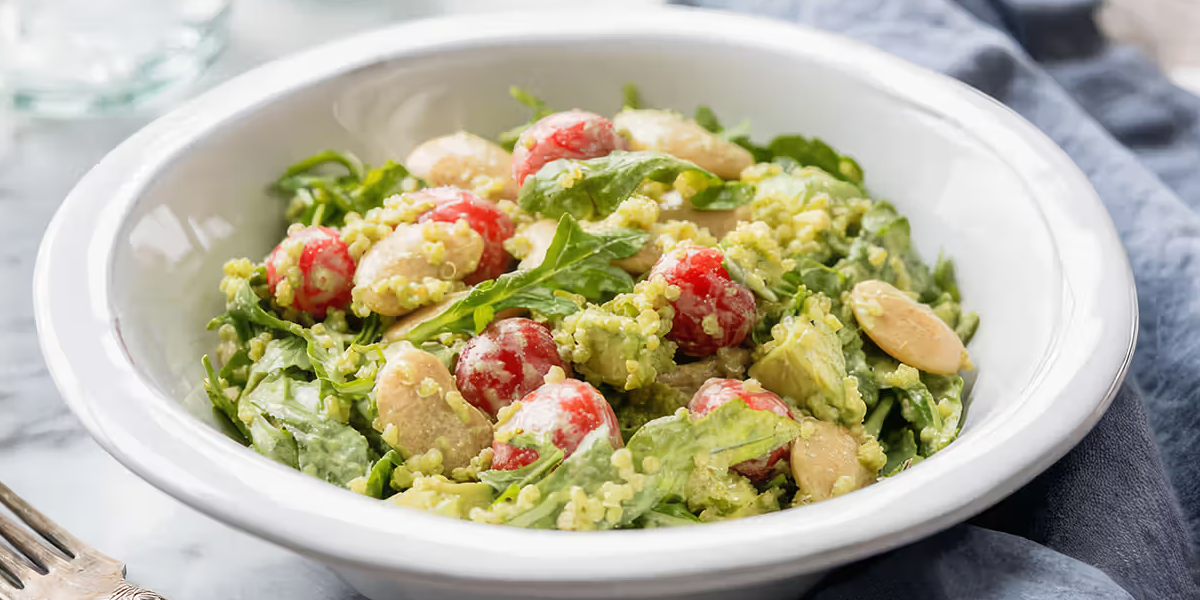

Healthy food is often talked about as if it means giving up everything enjoyable, but that idea is outdated and incomplete. In reality, healthy eating can be colorful, satisfying, flexible, and full of flavor. A truly healthy food guide is not about strict rules or boring meals. It is about learning how to nourish your body in a way that supports energy, mood, focus, digestion, and long-term wellbeing while still enjoying the food you eat every day. When food is chosen thoughtfully and prepared with care, it becomes one of the most powerful tools for building a better lifestyle.
More people today are paying attention to what they eat because the connection between food and wellbeing is easier to see than ever before. A balanced diet can help you feel more energetic in the morning, stay more focused during the day, and avoid the heavy, sluggish feeling that often comes from highly processed meals. Healthy eating is also deeply personal. What works for one person may not work exactly the same way for another, but the core idea stays the same: food should support your life, not make it harder.
This guide is designed to make healthy eating feel practical and realistic. Instead of overwhelming you with complicated nutrition language, it focuses on delicious meals, simple habits, and everyday choices that can fit into real life. Whether you cook often or rarely, whether you are trying to eat better for your family or just for yourself, the goal is the same. You can enjoy meals that taste good, feel good, and help you move toward a better lifestyle one plate at a time.
What Healthy Food Really Means

Healthy food is not limited to salads, plain vegetables, or food that tastes bland. It includes a wide range of ingredients that give the body the nutrients it needs to function well. Fruits, vegetables, whole grains, lean proteins, legumes, nuts, seeds, and healthy fats all play an important role. Each group offers something different, and together they create balance. When your meals combine these elements in a thoughtful way, you are more likely to feel full, satisfied, and nourished.
One of the biggest misconceptions about healthy food is that it has to be expensive or difficult to prepare. That is not true. Simple ingredients like oats, lentils, brown rice, eggs, yogurt, leafy greens, beans, apples, bananas, carrots, and chicken can be turned into excellent meals without requiring advanced cooking skills. The real secret is consistency. Healthy eating becomes effective when it is part of your routine rather than something you do occasionally.
Healthy food also means being aware of portion sizes and cooking methods. A meal made with fresh ingredients can still become heavy if it is overloaded with sugar, salt, or deep-frying. On the other hand, a modest meal with the right balance of nutrients can leave you feeling light but satisfied. Healthy eating is less about perfection and more about making choices that serve your body well most of the time.
Why Delicious Meals Matter in a Healthy Lifestyle

Many people start eating healthier and quickly lose interest because they assume healthy meals cannot be enjoyable. That is usually where the plan fails. Food is emotional, cultural, and social. It is tied to memories, comfort, family traditions, and daily routine. If healthy food does not feel satisfying, it will be hard to stick with it. That is why delicious meals matter so much in a better lifestyle. Taste creates consistency, and consistency creates results.
When food is flavorful, people naturally look forward to it. That makes it easier to avoid the cycle of restriction and rebound eating. Instead of feeling deprived, you feel cared for. Meals that include herbs, spices, natural sweetness, texture, and freshness can be deeply satisfying without becoming unhealthy. A roasted vegetable bowl with grains and sauce, a lentil soup with warm spices, or a grilled chicken wrap with crunchy greens can be just as enjoyable as more indulgent options while still supporting your health.
Delicious food also supports emotional wellbeing. A meal that looks beautiful and tastes great can improve your mood and turn eating into a mindful experience instead of a rushed habit. That matters because lifestyle change is never just physical. It is mental too. When you enjoy what you eat, healthy living feels more sustainable and less like a chore.
Building Balanced Meals Without Overcomplicating Them
A balanced meal usually includes a source of protein, a source of fiber-rich carbohydrates, healthy fats, and colorful produce. This structure is simple, but it works well because it helps the body feel full and energized. Protein supports muscles and keeps hunger steady. Carbohydrates provide energy. Healthy fats help with satisfaction and nutrient absorption. Fruits and vegetables contribute vitamins, minerals, and antioxidants that support long-term health.
For example, breakfast could be oatmeal topped with berries, nuts, and yogurt. Lunch could be a chicken or chickpea grain bowl with greens, avocado, and a light dressing. Dinner could be salmon with roasted sweet potatoes and vegetables. Even snacks can follow the same logic, such as apple slices with peanut butter, hummus with cucumber, or yogurt with seeds. The goal is not to create a perfect menu every time, but to build a habit of balance.
What makes this approach practical is that it gives you freedom. You do not need to count every detail to eat well. You can start by asking a simple question before each meal: does this plate have enough variety to nourish me? That small shift in thinking can make healthy food feel much easier to manage.
Delicious Healthy Meals for Everyday Life
The best healthy meals are the ones you can actually repeat. If a recipe is too complicated, it may be impressive once but impossible to keep in your routine. Everyday healthy meals should be simple enough for a weekday and tasty enough that you do not get bored. A warm vegetable omelet with whole grain toast can be a fast breakfast that feels satisfying. A quinoa salad with roasted vegetables, feta, and lemon dressing can make lunch feel fresh and light. A stir-fry with rice, lean protein, and colorful vegetables can turn dinner into something both comforting and balanced.
Soups are another wonderful part of a healthy food lifestyle because they are flexible, filling, and easy to prepare in large batches. A tomato lentil soup, chicken vegetable soup, or creamy pumpkin soup made with lighter ingredients can offer warmth and comfort without being overly heavy. Smoothies can also be useful, especially when they include fruit, yogurt, oats, seeds, and maybe a handful of greens. They are not a replacement for every meal, but they can be a convenient part of a healthy routine.

The key is to enjoy variety. Healthy food becomes more exciting when you rotate ingredients and cooking styles. Grilled, baked, roasted, steamed, and sautéed meals all have different textures and flavors. Using herbs, spices, garlic, ginger, citrus, and natural sauces can transform even the simplest ingredients into something memorable. Eating well should feel delicious, not repetitive.
Healthy Eating at Home
Home is where healthy habits are usually built or broken. When your kitchen is stocked with good ingredients and your meals are planned with some intention, healthy eating becomes much easier. That does not mean every meal has to be carefully prepared from scratch. It simply means being more deliberate about what you keep around and how you put it together.
One of the best habits for home eating is keeping versatile staples available. Things like eggs, oats, rice, lentils, canned beans, frozen vegetables, yogurt, fruit, whole grain bread, and olive oil can form the foundation of many quick meals. With a few fresh ingredients and some basic seasonings, those staples can become breakfast, lunch, dinner, or snacks in almost no time.
Home cooking also gives you more control over flavor and nutrition. You can decide how much oil, salt, and sugar goes into each dish. You can make food lighter or richer depending on what your body needs. You can also adjust portion sizes more easily. This control is one of the biggest benefits of healthy food preparation because it allows you to eat in a way that fits your personal goals without sacrificing taste.
Healthy Food and Energy


One of the first benefits people notice when they improve their diet is better energy. Meals that are high in sugar and low in nutrients can lead to quick spikes and crashes, leaving you tired and unfocused. In contrast, balanced healthy meals provide more steady energy. This does not mean you need to avoid every treat or sweet food, but it does mean your everyday meals should be built to support your body more consistently.
Breakfast is especially important for energy because it sets the tone for the day. A good breakfast does not have to be large, but it should include something that keeps you going. Protein and fiber are especially helpful because they help you stay full longer. Meals like eggs with vegetables, yogurt with fruit and oats, or peanut butter on whole grain toast can be simple but effective ways to start the day with better fuel.
Lunch and dinner matter too because they help you avoid the energy drop that often leads to snacking on convenient but less nourishing foods. When your meals include enough protein, complex carbohydrates, and healthy fats, your body tends to respond with more stability. That can improve productivity, concentration, and even mood over time.
Healthy Eating Without Feeling Restricted
A healthy lifestyle works best when it feels flexible. Strict food rules may work for a short while, but most people eventually feel frustrated by them. Real-life eating is influenced by schedules, social plans, budget, cravings, family preferences, and emotional needs. That is why healthy food should leave room for enjoyment and balance.
You do not need to eliminate everything you love to eat better. In fact, doing so can make healthy eating harder to sustain. A more realistic approach is to focus on building meals that are nourishing most of the time while leaving room for occasional treats. When you stop thinking in terms of good food versus bad food, eating becomes more peaceful and less stressful.
This mindset helps you enjoy your meals more. When you allow yourself to eat a mix of nourishing foods and favorite flavors, healthy eating becomes a normal part of life instead of a temporary challenge. That balance is what makes the lifestyle last.
Making Healthy Food Affordable

A common belief is that healthy food costs too much, but with smart planning, it can be very affordable. Some of the healthiest ingredients are also among the least expensive. Beans, lentils, oats, rice, potatoes, eggs, frozen vegetables, and seasonal produce are all budget-friendly options that can be turned into many different meals. Buying in bulk, cooking at home, and reducing food waste also help lower costs.
Planning is often the biggest money-saving tool. When you know what meals you want to make during the week, you are less likely to buy unnecessary items or order food impulsively. Leftovers can become lunch for the next day, and simple meal combinations can stretch ingredients further than people expect. Healthy eating on a budget is not about deprivation. It is about using resources wisely.
This kind of approach is important because a better lifestyle should be accessible, not exclusive. Good food should be available to as many people as possible, and with the right habits, it can be.
Creating a Long-Term Healthy Food Routine
A healthy food routine does not happen overnight. It is built slowly through repetition, small decisions, and a willingness to keep going even when life gets busy. Some days you will cook carefully, and some days you will rely on quick meals. That is normal. The important part is not being perfect. It is returning to healthy habits again and again.
Over time, you may notice that your taste preferences change. Foods that once felt ordinary may begin to taste richer and more satisfying. You may also find that you naturally crave meals that leave you feeling lighter and more energized. That is one of the most encouraging parts of healthy eating. The more consistently you practice it, the more natural it becomes.
Healthy food is not a trend. It is a foundation for a better lifestyle. When your meals are thoughtful, delicious, and nourishing, they support everything else in your life. You think more clearly, move more comfortably, and feel more in control of your day. That is a powerful return from something as simple and daily as eating.
FAQs
1.What is the main idea of healthy eating?
The main idea of healthy eating is to choose foods that nourish your body, support your energy, and help you feel your best while still enjoying your meals.
2.Can healthy food taste good?
Yes, healthy food can taste excellent when it includes fresh ingredients, good seasoning, and a balanced mix of textures and flavors.
3.Is healthy eating expensive?
Not necessarily. Many healthy foods such as oats, beans, eggs, rice, frozen vegetables, and seasonal produce are affordable and versatile.
4.How can I start eating healthier every day?
A simple way to begin is by adding more whole foods to your meals, cooking at home more often, and building plates that include protein, fiber, and healthy fats.
5.Do I need to stop eating my favorite foods?
No, healthy eating works best when it is flexible. You can still enjoy your favorite foods while making more nourishing choices most of the time.




Leave a Reply