

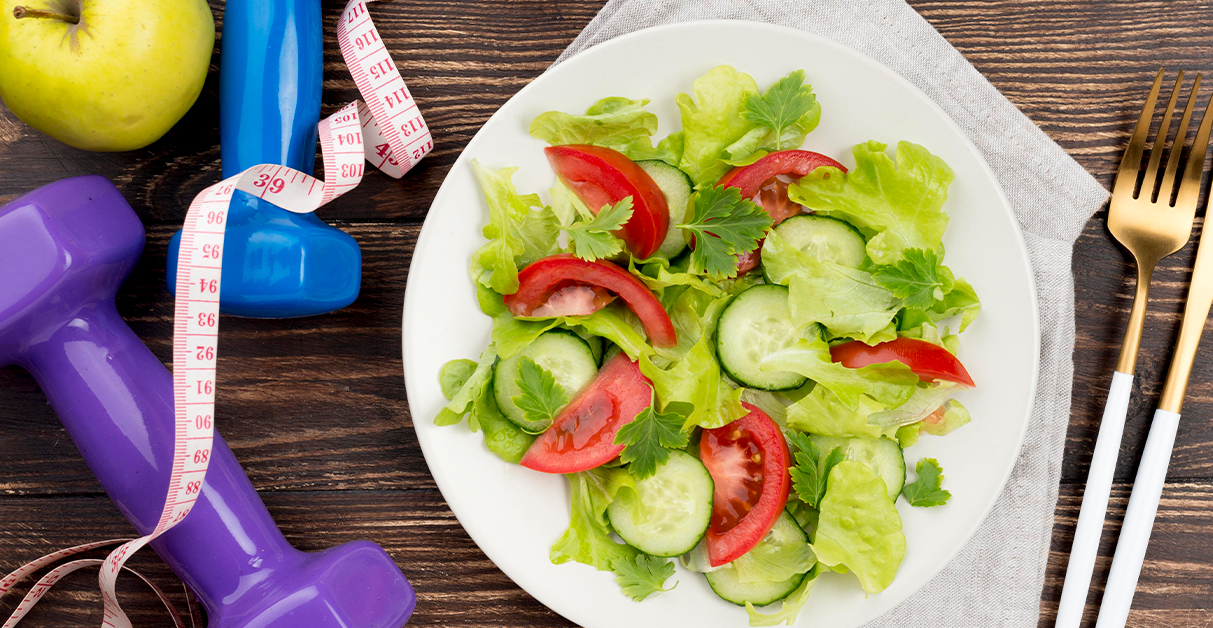

Healthy eating is not about following a perfect diet or giving up all the foods you enjoy. It is about creating balanced eating habits that provide your body with the nutrients, energy, and nourishment it needs every day. With so much nutrition information available, choosing the right foods can sometimes feel confusing. A simple approach is to focus on variety, balance, moderation, and foods that support your everyday lifestyle.
A healthy diet can include fresh fruits and vegetables, whole grains, quality protein, healthy fats, and plenty of fluids. The goal is to build meals that are satisfying, nutritious, and enjoyable. When healthy eating becomes a regular part of your routine, it can support energy, wellness, and overall quality of life.
Why Healthy Food Matters
Food provides the fuel your body needs to function. The nutrients in food support many important processes, including energy production, muscle maintenance, brain function, and overall wellness.
A balanced eating pattern can help you feel more energized throughout the day. Meals that include a combination of protein, fiber, and healthy carbohydrates may also help you feel satisfied for longer periods.
Healthy food is not limited to one specific eating style. Different people have different nutritional needs, preferences, cultures, and lifestyles. The best eating plan is one that is balanced, practical, and easy to maintain over time.
Include Plenty of Fruits and Vegetables

Fruits and vegetables are an important part of a balanced diet. They provide vitamins, minerals, fiber, and other beneficial nutrients.
Try to include a variety of colors and types in your meals. Leafy greens, berries, citrus fruits, tomatoes, carrots, peppers, broccoli, and other produce can all add flavor and nutrition to your diet.
Fresh, frozen, and canned fruits and vegetables can all be useful choices. If choosing canned options, checking the label for added sugar or excessive sodium can help you make better choices.
Adding vegetables to meals is often easier than people think. You can include them in soups, salads, sandwiches, stir-fries, omelets, wraps, and pasta dishes.
Choose Whole Grains More Often
Whole grains contain more of the naturally occurring parts of the grain compared with refined grains. Foods such as oats, brown rice, whole-grain bread, quinoa, barley, and whole-grain pasta can be nutritious additions to meals.
Whole grains can provide carbohydrates for energy and fiber to support a balanced eating pattern. They can also make meals more filling.
A simple way to improve your diet is to replace some refined grain products with whole-grain alternatives. For example, you might choose oatmeal for breakfast, brown rice with lunch, or whole-grain bread for sandwiches.
Add Quality Protein to Your Meals

Protein is an important nutrient that helps support muscles and many other functions in the body. Good sources of protein include eggs, fish, poultry, beans, lentils, tofu, yogurt, nuts, seeds, and other protein-rich foods.
Including protein in meals can also help create a more satisfying eating pattern. A balanced breakfast might include eggs or yogurt, while lunch could include beans, chicken, fish, or tofu.
You do not need to rely on only one protein source. Eating a variety of protein foods can provide different nutrients and add variety to your meals.
Include Healthy Fats
Fats are an important part of a balanced diet. The type and amount of fat can vary depending on your overall eating pattern.
Foods such as avocados, nuts, seeds, olive oil, and certain types of fish can provide beneficial fats. These foods can add flavor and texture to meals while contributing important nutrients.
Instead of focusing on eliminating all fat, it is generally more helpful to choose a variety of nutritious foods and maintain balance in your overall diet.
Make Breakfast More Balanced

Breakfast can be a good opportunity to start the day with a nutritious meal. A balanced breakfast may include protein, whole grains, fruits, or other nutrient-rich foods.
Examples include oatmeal with fruit and nuts, eggs with whole-grain toast, yogurt with berries, or a smoothie made with fruit and a protein source.
The best breakfast is one that fits your schedule and keeps you satisfied. If you are not hungry early in the morning, you can choose a meal later when it works better for your routine.
Plan Balanced Lunches and Dinners
A balanced meal does not need to be complicated. A simple plate can include vegetables, a source of protein, and a nutritious carbohydrate.
For example, grilled chicken with vegetables and brown rice can make a balanced meal. Other options include lentil soup with whole-grain bread, a vegetable and bean bowl, or fish with roasted vegetables and potatoes.
Meal planning can make healthy eating easier. Preparing ingredients in advance can save time during busy days and reduce the temptation to rely on less nutritious convenience foods.
Choose Nutritious Snacks
Snacks can be part of a healthy eating pattern. The best snack choices depend on your hunger, preferences, and daily nutritional needs.
Fruit, yogurt, nuts, seeds, vegetables with hummus, or whole-grain snacks can all be convenient options.
It is also perfectly normal to enjoy occasional treats. Healthy eating does not require avoiding every food considered indulgent. Balance and moderation are more sustainable than strict restriction.
Stay Hydrated Throughout the Day
Water is essential for everyday health. Drinking enough fluids supports normal body functions and can help you stay refreshed.
Individual hydration needs can vary based on factors such as activity level, climate, and daily routine. Water is a simple choice, but other beverages and water-rich foods can also contribute to fluid intake.
Keeping a water bottle nearby can make it easier to drink regularly throughout the day.
Limit Highly Processed Foods

Processed foods can be part of a balanced diet, but eating large amounts of highly processed foods may make it more difficult to maintain a nutritious eating pattern.
Foods high in added sugar, excessive sodium, or unhealthy fats are often best enjoyed in moderation. Instead of trying to eliminate everything, focus on adding more nutritious foods to your meals.
A practical approach is to build most meals around whole or minimally processed foods while allowing room for occasional treats.
Read Food Labels Carefully
Food labels can help you understand what you are buying. When comparing products, look at serving sizes, ingredients, added sugars, sodium, protein, fiber, and other nutritional information.
The ingredient list can also provide useful information. Ingredients are generally listed by quantity, so the first few ingredients can help you understand the main components of a product.
You do not need to analyze every label perfectly. Even small improvements in understanding food labels can help you make more informed choices.
Healthy Eating on a Budget

Eating healthy does not always require expensive ingredients. Planning meals, buying seasonal produce, and preparing food at home can help manage costs.
Beans, lentils, oats, rice, eggs, frozen vegetables, and other affordable foods can be used in many nutritious meals.
Buying in bulk can also be useful for certain long-lasting foods. However, it is important to purchase only what you will actually use to avoid food waste.
Planning meals before shopping can help you stay focused and avoid unnecessary purchases.
Make Healthy Eating Sustainable
The most effective eating plan is one you can follow consistently. Extreme diets may provide short-term results but can be difficult to maintain for a long time.
Instead of making many drastic changes at once, start with small improvements. Add an extra serving of vegetables, drink more water, cook at home more often, or choose whole grains more frequently.
Small habits can become meaningful changes when practiced consistently.
Enjoy Food Without Guilt
Food is more than nutrition. It is also connected to culture, family, celebrations, comfort, and enjoyment.
A healthy lifestyle can include foods you love. The goal is not perfection but balance. Enjoying a favorite dessert or special meal occasionally does not undo healthy habits.
A flexible approach makes it easier to maintain healthy eating over time without feeling restricted
FAQ’s
1. What foods are part of a healthy diet?
Fruits, vegetables, whole grains, protein-rich foods, healthy fats, and plenty of water are key parts of a balanced diet.
2. How can I create a balanced meal?
Include vegetables or fruit, a protein source, whole grains or other healthy carbohydrates, and a moderate amount of healthy fats.
3. Is healthy eating expensive?
Not necessarily. Affordable foods like beans, lentils, oats, eggs, rice, and seasonal produce can support a healthy diet.
4. Can I enjoy treats while eating healthy?
Yes. Occasional treats can fit into a balanced diet when enjoyed in moderation.
5. How can I start eating healthier?
Begin with small changes, such as adding more vegetables, drinking more water, and choosing whole foods more often.



Leave a Reply