

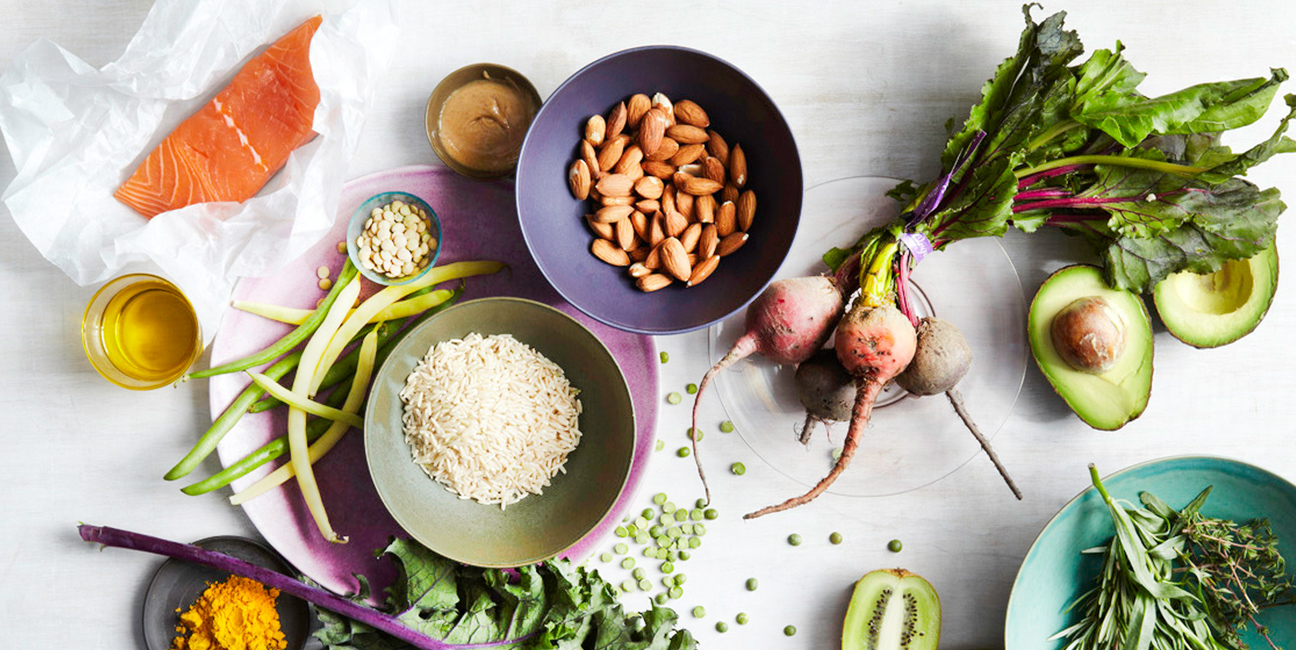

Healthy eating is one of the most effective ways to improve your overall quality of life. The foods you choose each day provide your body with the nutrients needed for energy, growth, recovery, and long-term wellness. A balanced diet not only supports physical health but also contributes to better concentration, improved mood, stronger immunity, and a healthier lifestyle.
You do not need to follow complicated diets or eliminate your favourite foods to eat well. Instead, focus on building balanced meals with a variety of nutrient-rich ingredients. Small, consistent changes often have a greater long-term impact than strict eating plans that are difficult to maintain.
Whether your goal is to feel more energetic, improve your overall wellness, maintain a healthy weight, or simply make better food choices, understanding the value of nutritious foods is the first step.
Why Healthy Eating Matters
Every cell in your body depends on nutrients from food. Carbohydrates provide energy, protein helps build and repair tissues, healthy fats support brain and heart health, while vitamins and minerals help regulate countless body functions.
A balanced eating pattern may help support:
- Consistent energy throughout the day
- Better concentration and mental performance
- Healthy digestion
- Strong bones and muscles
- A healthy immune system
- Long-term heart health
- Overall physical and mental well-being
Healthy eating is not about perfection. It is about making informed choices most of the time while enjoying food in moderation.
Choose Whole Foods Whenever Possible

Whole foods are foods that are minimally processed and retain most of their natural nutrients. These include fruits, vegetables, whole grains, beans, legumes, nuts, seeds, eggs, dairy products, fish, and lean meats.
Compared with highly processed foods, whole foods often contain more fibre, vitamins, minerals, and beneficial plant compounds.
Examples include:
- Fresh fruits
- Leafy green vegetables
- Brown rice
- Oats
- Quinoa
- Lentils
- Chickpeas
- Almonds
- Walnuts
- Greek yoghurt
Building meals around whole foods can help improve nutritional quality without making eating complicated.
Eat More Fruits and Vegetables
Fruits and vegetables provide vitamins, minerals, antioxidants, and dietary fibre.
Different colours often indicate different nutrients, so eating a wide variety can help you receive a broader range of health benefits.
Some nutritious choices include:
- Spinach
- Broccoli
- Carrots
- Tomatoes
- Sweet potatoes
- Apples
- Berries
- Bananas
- Oranges
- Bell peppers
Fresh, frozen, and many canned vegetables without added salt can all be nutritious options.
Include High-Quality Protein


Protein supports muscle maintenance, tissue repair, hormone production, and many other essential functions.
Healthy protein sources include:
- Fish
- Chicken
- Turkey
- Eggs
- Beans
- Lentils
- Tofu
- Cottage cheese
- Greek yoghurt
- Lean beef
Including protein with meals may also help you feel satisfied for longer.
Choose Healthy Carbohydrates
Carbohydrates are the body’s preferred source of energy. The key is choosing carbohydrates that provide nutrients and fibre.
Examples include:
- Wholemeal bread
- Brown rice
- Oats
- Quinoa
- Sweet potatoes
- Wholegrain pasta
- Barley
These foods can provide steady energy throughout the day.
Don’t Fear Healthy Fats

Healthy fats support brain function, hormone production, and heart health.
Nutritious fat sources include:
- Avocados
- Olive oil
- Nuts
- Seeds
- Salmon
- Sardines
- Mackerel
Including moderate amounts of healthy fats can make meals more satisfying while supporting overall wellness.
Stay Hydrated
Water supports digestion, circulation, temperature regulation, and many other important functions.
Drink water regularly throughout the day, especially during warm weather or physical activity.
Other hydrating options include:
- Herbal teas
- Milk
- Water-rich fruits
- Vegetable soups
Limiting sugary drinks may help reduce unnecessary added sugar intake.
Build Balanced Meals

A balanced meal often includes:
- Vegetables or salad
- Lean protein
- Whole-grain carbohydrates
- Healthy fats
For example:
Grilled chicken, brown rice, steamed vegetables, and a small serving of avocado create a balanced meal with protein, fibre, vitamins, and healthy fats.
Balanced meals may help maintain steady energy levels throughout the day.
Healthy Snack Ideas
Nutritious snacks can help satisfy hunger between meals.
Some simple options include:
- Greek yoghurt with berries
- Apple slices with peanut butter
- Mixed nuts
- Cottage cheese
- Fresh fruit
- Carrot sticks with hummus
- Wholegrain crackers
- Boiled eggs
Choose snacks that provide protein, fibre, or healthy fats instead of relying mainly on highly processed foods.
Reduce Highly Processed Foods

Highly processed foods often contain added sugars, excess salt, and unhealthy fats.
Examples include:
- Sugary drinks
- Crisps
- Sweets
- Highly processed baked goods
- Fast food eaten frequently
Enjoying these foods occasionally is perfectly reasonable, but building most meals around nutritious ingredients may better support long-term health.
Practise Portion Awareness
Even nutritious foods are best enjoyed in balanced portions.
Eating slowly allows your body time to recognise fullness.
Using smaller plates, serving appropriate portions, and avoiding distractions while eating can help improve awareness during meals.
Plan Your Meals

Meal planning can make healthy eating easier.
Preparing meals ahead of time helps reduce last-minute food decisions and encourages balanced eating.
Simple planning may include:
- Preparing vegetables in advance
- Cooking larger portions for leftovers
- Keeping healthy snacks available
- Creating a weekly shopping list
Planning saves time while making nutritious choices more convenient.
Enjoy Variety
No single food contains every nutrient your body needs.
Eating a wide variety of foods helps provide different vitamins, minerals, protein sources, and beneficial plant compounds.
Changing your meals regularly also keeps healthy eating enjoyable.
Healthy Eating for Busy Lifestyles
Healthy eating does not require complicated recipes.
Quick meal ideas include:
- Overnight oats with fruit
- Vegetable omelette
- Wholegrain sandwich with lean protein
- Smoothies made with fruit and yoghurt
- Brown rice with vegetables and grilled chicken
- Mixed salad with beans and olive oil dressing
Simple meals can be nutritious while fitting into busy schedules.
Build Healthy Habits Gradually

Long-term success usually comes from small changes.
You might begin by:
- Drinking more water
- Adding vegetables to lunch
- Choosing whole grains
- Preparing meals at home more often
- Eating fruit instead of sugary snacks
One healthy habit often leads naturally
FAQ’s
1. What are the healthiest foods to eat every day?
Fruits, vegetables, whole grains, lean proteins, healthy fats, and legumes are excellent daily choices.
2. Which foods help boost energy naturally?
Oats, bananas, eggs, nuts, yoghurt, and whole grains provide steady energy throughout the day.
3. How can I start eating healthier?
Choose whole foods, eat more vegetables and fruit, drink plenty of water, and limit highly processed foods.
4. Why is a balanced diet important?
A balanced diet supports energy, immunity, heart health, digestion, and overall well-being.
5. Can healthy eating improve overall wellness?
Yes. Nutritious foods can help support physical health, mental focus, and long-term wellness.




Leave a Reply