

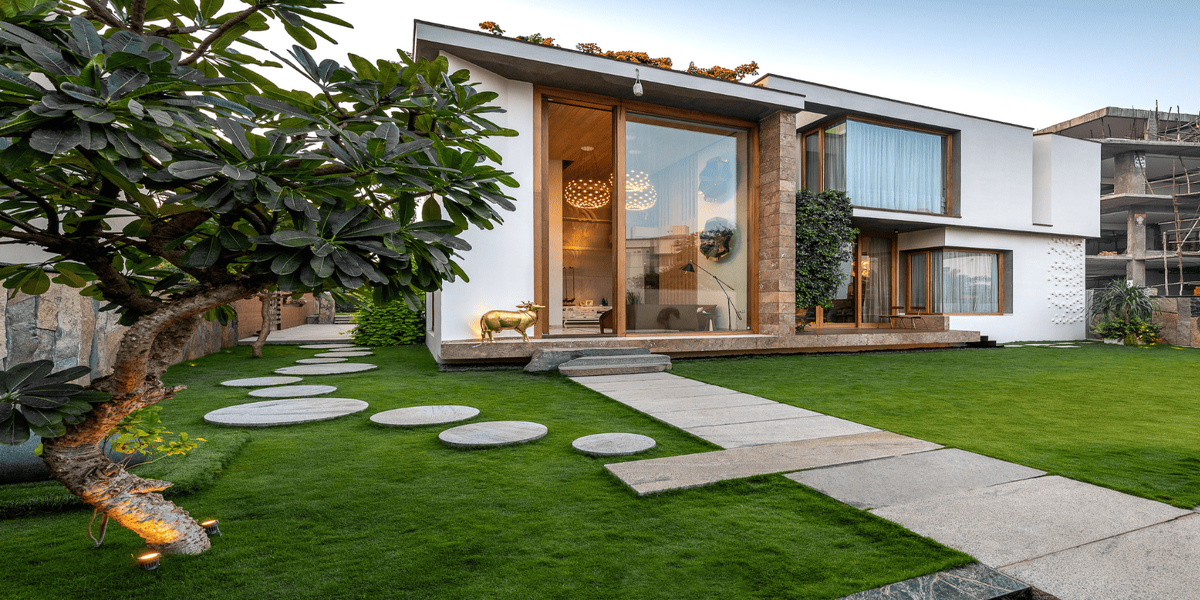

Your home is much more than four walls, a roof, and a collection of furniture. It is a living, breathing canvas that reflects your personality, supports your daily routines, and shapes how you feel every single day. The way we design our living spaces is undergoing a massive, exciting transformation.
Today’s home design trends are about far more than just surface aesthetics or temporary decor fads. They mark a fundamental shift in how we approach personal comfort, environmental responsibility, smart technology, and daily wellbeing. We want spaces that nurture our mental health, adapt seamlessly to our busy lives, and tread lightly on the planet.
Whether you are planning a complete property renovation, building a new house from the ground up, or simply looking to refresh a single room, these principles will inspire you to reimagine what is possible. By blending thoughtful interior design with practical, eco-friendly house principles, you can transform ordinary rooms into extraordinary sanctuaries that look incredible and cost less to run.
Part 1: Top Interior Design Trends Redefining Our Living Spaces

+-----------------------------------------------------------------------------------+| THE 4 PILLARS OF MODERN INTERIOR DESIGN |+-----------------------------------------------------------------------------------+| 1. BIOPHILIC DESIGN ──► Bringing nature indoors to boost health & mood || 2. SUSTAINABLE MATERIALS──► Reclaimed, recycled, and low-VOC choices || 3. MULTIFUNCTIONAL AREAS──► Flexible, adaptive layouts that maximize space || 4. WARM MINIMALISM ──► Cozy neutrals and natural textures over cold grey |+-----------------------------------------------------------------------------------+
1. Biophilic Design Takes Centre Stage
The deep connection between human beings and the natural world is essential to our daily physical and mental health. Biophilic design focuses on bringing the outdoors inside, creating living environments that actively reduce stress, improve indoor air quality, and boost overall mood.
Going biophilic means much more than setting a single potted succulent on a windowsill. It is about creating genuine, multisensory connections with nature throughout your layout:
- Living Feature Walls: Vertical indoor gardens filled with leafy ferns, moss, and foliage that act as stunning focal points while filtering the air.
- Tactile Natural Materials: Unfinished timber, raw river stone, woven rattan, and clay ceramics that add grounding textures to rooms.
- Ambient Water Features: Small indoor fountains or wall-mounted water cascades that add a gentle, soothing background sound to quiet the mind.
- Maximised Natural Light: Strategic window placements, glass doors, and light-reflecting mirrors that flood dark corners with daylight.
- Organic Curves: Furniture, archways, and decor accents that feature soft, flowing shapes mirrored from natural landscapes.
The end result is a home that feels vibrant, fresh, and deeply restorative—a true refuge from the digital noise of the outside world.
2. Sustainable Materials Become the Standard

Environmental responsibility has shifted from a niche alternative to an essential requirement in modern home design. Today’s interior choices prioritize ethical materials that celebrate natural beauty without harming the environment.
                  SUSTAINABLE MATERIAL CHOICES
                               │
       ┌───────────────────┬───┴───────────┬───────────────────┐
       ▼                   ▼               ▼                   ▼
[ Reclaimed Wood ]  [ Bamboo & Cork ] [ Low-VOC Paint ] [ Recycled Glass ]
 Character-rich      Fast-growing      Cleaner air,        Unique, durable
 historic timber     flooring choices  fumes-free walls    surfaces & tiles
Widespread adoption of eco-friendly finishes is changing how we decorate:
- Reclaimed and Recycled Timber: Salvaged barn wood, old flooring, and industrial timber used for accent walls, dining tables, and open shelving.
- Bamboo and Cork Flooring: Rapidly renewable, durable alternatives to traditional hardwoods that feel soft and warm underfoot.
- Low-VOC and Zero-VOC Paints: Wall paints free from harmful volatile organic compounds, protecting your family’s indoor air quality.
- Recycled Glass and Metals: Countertops, backsplashes, and light fixtures crafted from crushed glass bottles and repurposed metals.
- Locally Sourced Finishes: Materials harvested and manufactured nearby, dramatically reducing carbon emissions caused by long-distance shipping.
Choosing sustainable design no longer means compromising on quality or style. Modern eco-materials match or exceed traditional options in durability, visual appeal, and long-term performance.
3. Multifunctional Spaces Reign Supreme
The rigid room definitions of yesterday—where a dining room was only used for formal dinners or a spare bedroom sat empty all year—have dissolved. Modern layouts embrace total flexibility, creating spaces that transform effortlessly to serve multiple purposes throughout the week.
This trend reflects how we actually live today: working remotely, exercising in the living room, cooking for family, and hosting friends all within the same square footage.
+-----------------------------------------------------------------------------------+| SMART ADAPTIVE SPACE SOLUTIONS |+-----------------------------------------------------------------------------------+| Movable Room Dividers ──► Reconfigure open-plan layouts in seconds || Hidden Storage Gear ──► Ottomans, under-bed drawers, and recessed cabinets || Fold-Down Desks ──► Workspaces that tuck neatly flat against walls || Convertible Furniture ──► Daybeds and sofa-beds that turn offices to guest rooms|| Adjustable Lighting ──► Bright task lights for work, warm dimmers for lounge |+-----------------------------------------------------------------------------------+
By designing spaces that work as hard as you do, your home feels significantly larger, more organized, and completely free of unnecessary clutter.
4. Warm Minimalism Replaces Stark Simplicity

The cold, sterile, all-white minimalism that dominated past decades has officially stepped aside. Taking its place is “Warm Minimalism”—an approach that retains clean lines and clutter-free surfaces while building rich layers of texture, warmth, and personality.
Key elements of warm minimalism include:
- Earthy, Inviting Color Palettes: Soft creams, warm taupes, rich terracottas, and gentle warm greys that make rooms feel cozy.
- Layered Natural Fabrics: Linen drapery, wool throw blankets, bouclé armchairs, and jute rugs that invite touch.
- Curated Storytelling Decor: Displaying fewer, more meaningful objects—like handmade ceramics, family heirlooms, or travel souvenirs—rather than mass-produced knick-knacks.
- Layered Atmosphere Lighting: Replacing harsh overhead lights with warm floor lamps, soft wall sconces, and dimmable LED strips.
This balanced approach proves that “less is more” can still feel generous, comfortable, and deeply welcoming.
Part 2: Understanding Eco-House Design & Sustainable Upgrades
Whether you are designing a brand-new home from scratch or simply upgrading your current property, energy-efficient choices are one of the smartest investments you can make for your wallet and the planet.
                         THE ECO-HOME CORE SYSTEM
                                     │
       ┌───────────────────┬─────────┴─────────┬───────────────────┐
       ▼                   ▼                   ▼                   ▼
[ High Insulation ] [ Renewable Energy ] [ Smart Technology ] [ Airtight Seal ]
 Traps heat in winter, Heat pumps & solar   Automated energy   Prevents drafty
 keeps rooms cool      power generation     controls           heat leakage
What Exactly Is an Eco-House?
An eco-house (or sustainable home) is designed and constructed specifically to minimize its environmental footprint. It achieves this by combining smart building materials and green technologies that dramatically reduce carbon emissions while increasing energy efficiency.
You do not need to build a million-dollar “Passive House” to enjoy the benefits of eco-design. There are dozens of budget-friendly upgrades that turn any existing home into an energy-efficient space.
Key Features of a Highly Efficient Eco-Home

- High-Performance Insulation: Thick, natural insulation layers in the loft, walls, and floors to prevent heat loss in winter and block excess heat in summer.
- Renewable Energy Systems: On-site power generation like solar panels or wind units that supply clean, free electricity.
- Smart Energy Management: Connected thermostats and smart power strips that track and optimize your daily energy use.
- Water Conservation Gear: Low-flow showerheads, dual-flush toilets, and rainwater harvesting systems for garden irrigation.
- Airtight Building Envelope: Properly sealed doors, windows, and joints that eliminate drafty air leaks.
Budget-Friendly Eco Upgrades for Existing Homes
If building a new eco-home isn’t in your immediate plans, you can make significant improvements to your current house without breaking the bank.
+-----------------------------------------------------------------------------------+| PRACTICAL ECO-UPGRADES BY BUDGET LEVEL |+-----------------------------------------------------------------------------------+| Budget Tier | Recommended Eco Upgrades |+-----------------+-----------------------------------------------------------------+| Low Budget | • Draft-proofing doors & windows || | • Installing low-flow aerators on taps || | • Upgrading to smart LED bulbs & power strips |+-----------------+-----------------------------------------------------------------+| Medium Budget | • Top-up loft & cavity wall insulation (sheep's wool/cellulose) || | • Installing a smart learning thermostat system || | • Upgrading old kitchen appliances to top energy ratings |+-----------------+-----------------------------------------------------------------+| Higher Budget | • Installing rooftop solar panel arrays || | • Replacing old boilers with Air-Source Heat Pumps || | • Replacing single-pane windows with triple glazing |+-----------------+-----------------------------------------------------------------+
Natural Insulation
Upgrading your loft and wall insulation using eco-friendly materials like recycled cellulose, wood fiber, or sheep’s wool is one of the most cost-effective moves you can make. It keeps your living spaces comfortable year-round while shrinking your monthly heating and cooling bills.
Renewable Energy & Solar Power

Installing rooftop solar panels allows you to generate your own clean electricity, drastically reducing your dependence on the grid. While the upfront installation cost requires an initial investment, lower monthly utility bills and potential energy feed-in credits yield strong long-term savings.
Modern Heat Pumps
Heat pumps are replacing traditional gas and oil boilers at a rapid pace. By pulling ambient heat from the outside air (Air Source) or from deep underground (Ground Source), they heat your hot water and living areas at a fraction of the carbon footprint.
Smart Home Technology
Smart technology puts complete control over your home’s energy consumption right in the palm of your hand. Smart thermostats learn your family’s schedule and automatically adjust temperatures when you leave, while smart lighting systems ensure lights are never left burning in empty rooms.
Combining Style and Sustainability: Room-by-Room Guide
Bringing modern design trends and eco-friendly features together is surprisingly simple when you take it room by room.
                               ROOM-BY-ROOM INTEGRATION
                                          │
       ┌──────────────────────┬───────────┴───────────┬──────────────────────┐
       ▼                      ▼                       ▼                      ▼
 [ Living Room ]         [ Kitchen ]             [ Bathroom ]           [ Bedroom ]
 Reclaimed wood,         Recycled glass,         Low-flow fixtures,     Organic cotton,
 wool rugs, plants      induction cooktop       water-saving tech      low-VOC paint
The Living Room
- Combine warm minimalist furniture with soft wool rugs and reclaimed timber coffee tables.
- Add living houseplants near bright windows to purify the air naturally.
- Use smart light switches to dim warm LED lighting according to the time of day.
The Kitchen
- Install durable countertops crafted from recycled glass or sustainable paper-composite materials.
- Switch from gas burners to high-efficiency induction cooktops, which heat pans faster and keep indoor air cleaner.
- Place hidden recycling and compost stations directly inside pull-out cabinetry.
The Bathroom
- Install aerated low-flow showerheads and taps that cut water use in half without sacrificing water pressure.
- Choose water-resistant cork or recycled porcelain floor tiles.
- Integrate small moisture-loving plants like ferns or pothos to soak up steam naturally.
The Bedroom

- Paint walls in soothing warm neutrals using non-toxic, zero-VOC paints for cleaner sleep.
- Outfit your bed in organic linen or unbleached cotton sheets.
- Use blackout cellular shades that block out light while adding an insulating layer to window glass.
Frequently Asked Questions
What is the easiest way to start making my home more eco-friendly on a tight budget?
The absolute easiest and cheapest way to start is by draft-proofing your home and switching to smart LED lighting. Sealing air leaks around doors and windows with simple weather-stripping prevents heat loss immediately, while LEDs cut lighting power usage by up to 80%.
Is biophilic design expensive to implement?
Not at all. While custom living walls can be costly, biophilic design is mostly about mindset. You can easily introduce it by adding low-maintenance indoor plants, opening curtains to maximize daylight, choosing natural wooden decor, and opening windows regularly to fresh air.
Will sustainable materials like bamboo and cork hold up to daily wear and tear?
Yes, high-quality bamboo and cork are extremely durable. Strand-woven bamboo is actually harder than many traditional hardwoods like oak, while cork is naturally water-resistant, antimicrobial, and comfortable underfoot.
What is the difference between air source and ground source heat pumps?
Air source heat pumps extract heat from the outside air, making them cheaper and easier to install in most standard homes. Ground source heat pumps pull heat from pipes buried deep in your garden; they are slightly more efficient but require higher installation costs and available land space.
Does warm minimalism mean I have to throw away all my personal belongings?
No, warm minimalism is not about living in a bare room. It is simply about being intentional. Instead of filling every surface with small decorations, you curate your space so that every visible item is either truly useful, beautifully made, or holds special personal memory.



Leave a Reply