

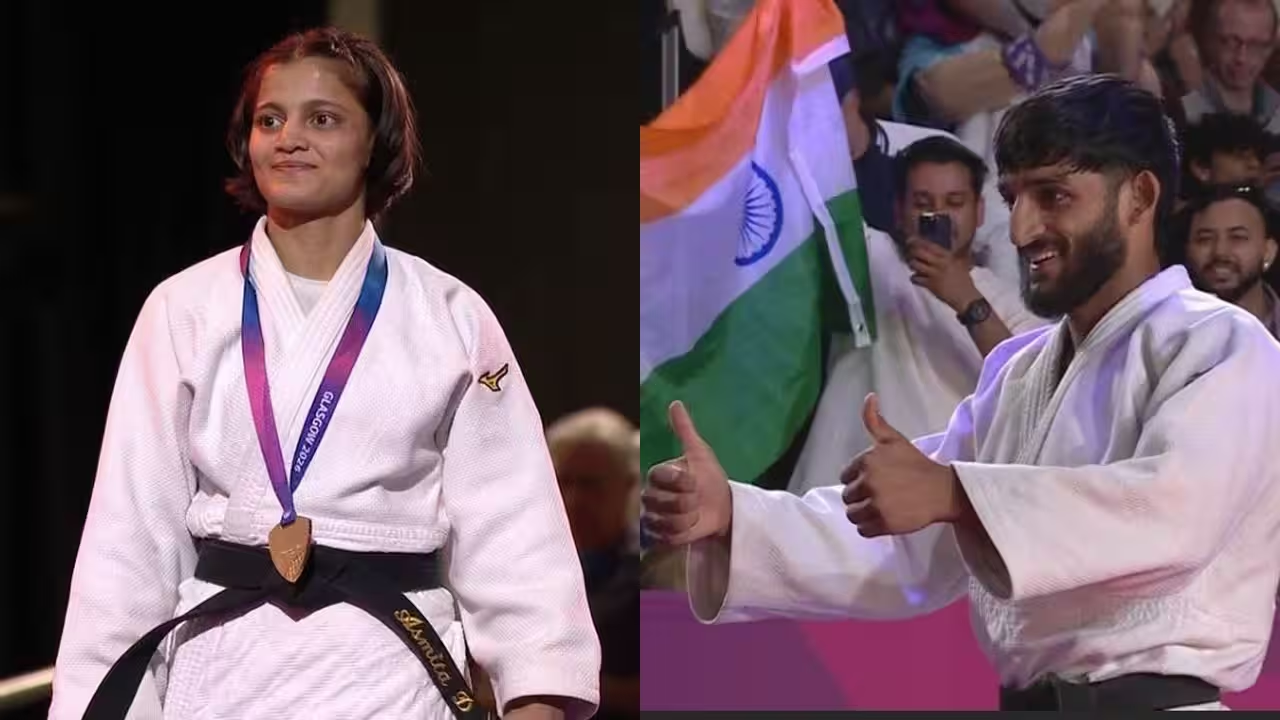

When an Indian athlete steps into a boxing ring or walks onto a judo mat at a major international competition, there is much more at stake than a medal. Commonwealth There are years of early mornings, exhausting training sessions, injuries, disappointments, and moments when giving up might have seemed easier. That is what makes every major sporting victory so special.
India has already built a strong reputation in several Commonwealth Games sports, but combat sports such as boxing and judo are becoming an increasingly important part of the country’s sporting identity. Strong performances in boxing, along with a historic breakthrough in judo, show how Indian athletes are continuing to push into areas where success once seemed difficult to achieve.
For fans, these moments can feel like they happen overnight. One minute an athlete is relatively unknown, and the next they are standing on a podium with a gold medal around their neck. But behind that moment is usually a much longer story of patience, sacrifice, and persistence.
Why This Commonwealth Games Moment Matters

The Commonwealth Games have always provided Indian athletes with an important international platform. They bring together competitors from countries with different sporting cultures and give athletes an opportunity to test themselves against high-level opposition.
For an athlete, performing well at this level can be a huge confidence boost. It also provides experience that can become valuable at World Championships, Asian competitions, and the Olympic Games.
There is another side to these competitions that is just as important. Major sporting events introduce millions of viewers to athletes and sports they might not normally follow.
A boxing final or judo match can suddenly attract people who have never watched the sport before. Children may see an Indian athlete competing and think, “I want to try that.”
That kind of inspiration can have a lasting impact.
India’s Growing Boxing Story
Indian boxing has come a long way. Over the years, the country has produced talented fighters who have competed successfully at international competitions.
The rise of boxing is not surprising when you look at what the sport demands. Boxing rewards discipline, courage, fitness, patience, and the ability to think clearly under pressure.
A boxer cannot simply rely on strength. They need to understand distance, movement, timing, defense, and their opponent’s habits.
Sometimes the strongest punch does not win the fight. A well-timed counter, smart footwork, or a carefully planned attack can make the difference.
That is why a gold medal in boxing represents much more than physical power. It shows that an athlete has learned how to combine skill, preparation, and mental control when the pressure is at its highest.
What Happens Inside the Ring

From the audience, boxing can look fast and chaotic. For the athletes, every movement has a purpose.
A boxer is constantly asking themselves questions. Should I attack now? Should I move away? Is my opponent getting tired? Can I create an opening? Do I need to change my strategy?
At the Commonwealth Games level, the competition becomes even more demanding because athletes face opponents with different styles and experiences.
One fighter may be aggressive and constantly move forward. Another may prefer to stay at a distance and counterattack.
A successful boxer needs to adapt instead of blindly following one strategy.
That ability to make quick decisions is one reason elite boxing is so mentally demanding.
The Historic Judo Breakthrough
Boxing is not the only combat sport creating excitement. Judo has its own important place in India’s sporting journey.
A historic Commonwealth Games judo gold represents something bigger than one athlete’s achievement. It can become a turning point for the visibility and popularity of judo in India.
Judo is a sport where technique can be just as important as physical strength. Athletes use balance, leverage, movement, grips, throws, and control to gain an advantage.
The sport may look simple to someone watching for the first time, but the reality is incredibly technical.
A judoka can spend years practicing the same movement. They repeat it again and again until the technique becomes natural enough to use instantly during a competition.
Why Judo Is Such a Difficult Sport

Judo requires athletes to think and react extremely quickly.
An opponent’s movement can create an opportunity, but that opportunity may last for only a moment. If the athlete reacts too slowly, it can disappear.
This means judokas need excellent timing, balance, body control, and concentration.
They also need to understand their opponents. Small changes in grip or movement can reveal what an opponent is preparing to do.
In many ways, judo is like a physical chess match where the players have to make decisions while constantly moving.
That combination of physical ability and quick thinking makes success at the international level especially impressive.
Why a First Gold Can Change Everything
Historic achievements have a way of changing how people see a sport.
Before a major breakthrough, young athletes may wonder whether they can realistically reach the international level. After someone from their own country achieves it, that possibility suddenly feels much more real.
A first major judo gold can encourage more young Indians to explore the sport, join local academies, and take competition seriously.
The same is true for boxing.
When young athletes see Indian fighters succeeding against international opponents, they begin to understand that boxing can be more than a hobby. It can become a serious sporting career.
That is one of the most valuable effects of a breakthrough: it creates belief.
The Years Nobody Sees

The medal ceremony is the part everyone remembers. The training that came before it is usually forgotten.
Athletes spend years preparing for moments that may last only a few minutes.
Their routine can include early-morning fitness sessions, technical training, strength work, sparring, recovery, nutrition, and mental preparation.
There are also setbacks.
An athlete may lose an important match. They may suffer an injury. They may struggle to qualify for a major competition. Sometimes they may question whether all the effort is worth it.
The athletes who eventually reach the top are not necessarily the ones who never face difficulties. They are often the ones who learn how to keep moving forward after those difficulties.
The Mental Battle Behind Every Medal
Combat sports can be mentally exhausting because there is nowhere to hide once the competition begins.
A boxer cannot ask someone else to take over when they become nervous. A judoka cannot pause a match simply because they are having a bad day.
They have to deal with the pressure themselves.
That is why mental strength is just as important as physical fitness.
Elite athletes learn to control their breathing, manage nerves, stay focused, and avoid letting one mistake affect the rest of their performance.
They also learn to focus on what they can control.
Instead of thinking about the medal, the crowd, or what people will say afterward, they focus on the next movement and the next decision.
The Team Behind Every Champion

Although one athlete receives the medal, success is rarely achieved alone.
A champion usually has a whole team working behind the scenes.
Coaches help develop technique and strategy. Strength trainers build physical conditioning. Physiotherapists help athletes recover from demanding training. Nutrition professionals help them maintain energy and manage weight.
There can also be doctors, sports psychologists, managers, teammates, and family members supporting the athlete.
Families often make sacrifices that the public never sees. They may adjust schedules, travel long distances, provide financial support, or simply keep encouraging an athlete during difficult periods.
So when an athlete stands on the podium, that medal often represents the effort of an entire support system.
Why Grassroots Sports Development Matters
If India wants to continue producing successful boxers and judokas, the focus cannot only be on elite athletes.
The next generation needs opportunities much earlier.
Schools, local sports clubs, academies, and community programs can help children discover boxing and judo. Access to good coaching and safe training environments can make a huge difference.
Young athletes also need regular competitions. Training in a gym is important, but competition teaches lessons that practice cannot always provide.
It teaches athletes how to handle nerves, deal with unexpected opponents, recover from mistakes, and perform when people are watching.
Making Boxing and Judo More Accessible

Another important part of India’s sporting future is making combat sports easier for young people to access.
Not every talented child lives near a professional academy. Not every family can afford expensive equipment or private coaching.
Affordable community programs and better local facilities could help identify talent that might otherwise never get an opportunity.
Talent exists in many places; opportunity does not always exist equally.
Creating better access can help India discover athletes who may eventually compete on the world’s biggest sporting stages.
The Changing Image of Indian Sport
India’s sporting identity is gradually becoming broader.
Cricket remains incredibly popular, but Indian athletes are now gaining attention across a much wider range of disciplines.
Success in boxing, judo, wrestling, badminton, athletics, weightlifting, shooting, and other sports has helped show that Indian sporting talent is not limited to one or two games.
This broader sporting culture is important because it gives young people more choices.
A child who does not enjoy cricket can still find a sport where they can excel.
What These Achievements Mean for Young Athletes

Perhaps the most powerful part of a sporting breakthrough is the message it sends to young people.
You do not need to start as the most famous athlete. You do not need to have everything figured out from the beginning.
What matters is consistent training, good guidance, patience, and the willingness to learn from failure.
A young boxer or judoka watching a Commonwealth Games champion may not know exactly where their own journey will lead. But seeing someone else succeed can give them the confidence to begin.
Sometimes that is how sporting careers start — with one person deciding to try.
What India Needs to Do Next
Winning medals is important, but maintaining success over many years is an even bigger challenge.
India needs to keep improving coaching standards, sports facilities, athlete welfare, sports science, nutrition, recovery programs, and international exposure.
Young athletes should have a clear path from beginner-level training to national and international competition.
At the same time, experienced athletes need support throughout their careers, including during injuries and difficult periods.
The aim should be to create an environment where talented athletes can focus on becoming better competitors instead of constantly worrying about whether they have enough resources to continue.
The Road Ahead

The excitement around boxing and judo should not end when the medals are awarded.
The real question is what happens afterward.
Will more children join boxing academies? Will judo receive more attention? Will schools introduce more combat sports programs? Will young athletes receive better coaching and competition opportunities?
If the answer to these questions is yes, then today’s success could have an impact that lasts for years.
A medal is a moment. A strong sporting system can create a legacy.
FAQs
1. Why are India’s boxing achievements significant?
India’s boxing success shows the country’s growing strength in international combat sports and gives young boxers more confidence that they can compete successfully at major events.
2. Why is a historic judo gold important?
A historic judo gold can raise the profile of the sport in India and encourage more young people to take up judo as a competitive discipline.
3. What does it take to become a successful boxer or judoka?
Athletes need technical skills, physical fitness, discipline, mental strength, consistent training, and strong coaching to compete successfully at the international level.
4. How can India develop more combat-sports champions?
India can support future champions through better grassroots programs, affordable training, qualified coaches, modern facilities, sports science, and greater international exposure.



Leave a Reply