

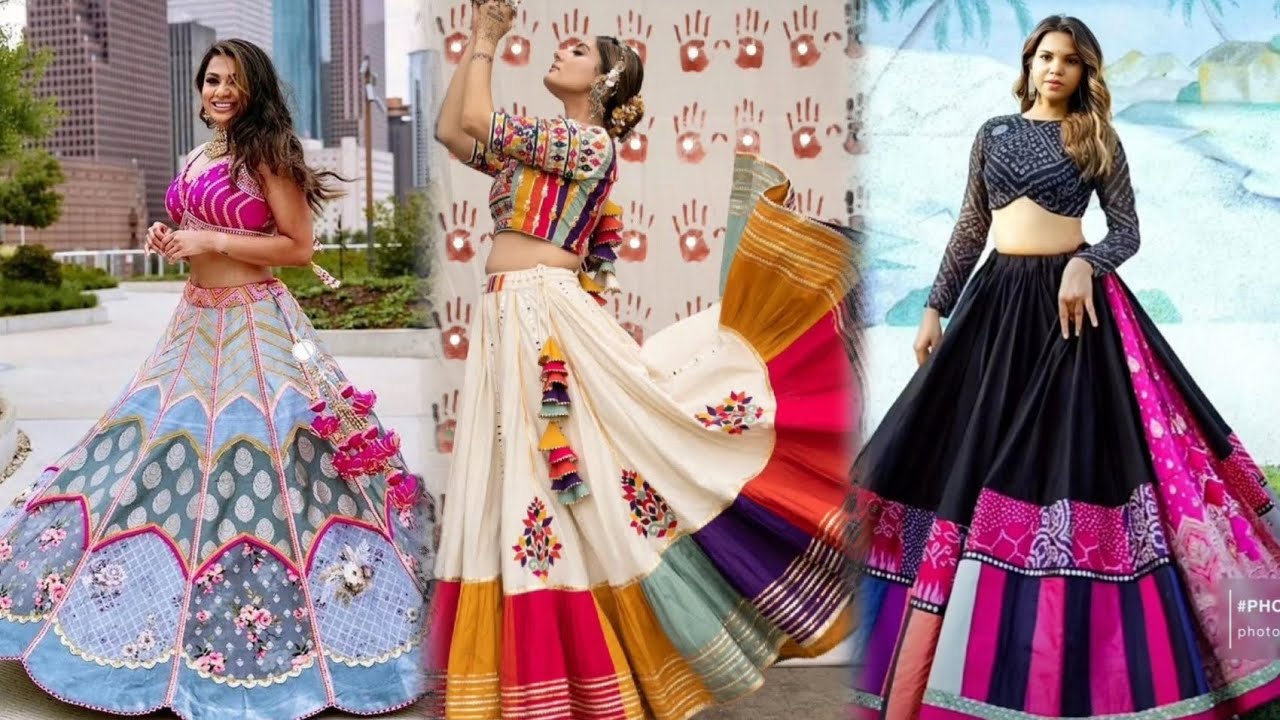

There are some outfits you wear because you need to dress up, and then there are outfits that actually make you feel dressed up. A beautiful lehenga or chaniya choli belongs in the second category.
The moment you put one on, the whole mood can change. The skirt moves when you walk, the dupatta adds that final touch, the embroidery catches the light, and suddenly an ordinary family function feels like an occasion worth remembering.
And honestly, that’s part of the charm of Indian ethnic wear.
You don’t have to be a bride or attending a huge wedding to wear a lehenga anymore. Today, lehengas and chaniya cholis come in so many different styles that you can find something for almost everything—from Navratri nights and festive celebrations to weddings, engagement parties, family gatherings, college functions, and even smaller celebrations.
The trick is finding a style that feels right for you, rather than simply choosing whatever happens to be trending.
Why Lehenga & Chaniya Choli Remain So Popular

Fashion changes constantly, but some traditional outfits never really disappear.
Lehenga choli is one of them.
Part of the reason is versatility. A heavily embroidered lehenga can create a grand wedding look, while a simple printed version can feel relaxed and youthful. A colorful mirror-work chaniya choli can bring an entirely different energy to a Navratri celebration.
Then there is the emotional side.
For many people, traditional clothing is connected with memories—getting ready with family, choosing jewelry with your mother, helping a sister with her dupatta, taking photographs before leaving for the function, or dancing until your feet hurt.
That’s something fashion trends alone cannot create.
What Is the Difference Between a Lehenga and a Chaniya Choli?
The two terms are often used together, and in modern fashion their styles can overlap.
A lehenga generally refers to a long, flared skirt worn with a blouse or choli and usually a dupatta.
A chaniya choli is traditionally associated with Gujarati and Rajasthani clothing, with the word chaniya referring to the skirt. It is especially popular during Navratri and other cultural celebrations.
Today, designers freely experiment with both styles.
You may find a traditional chaniya choli with contemporary embroidery or a modern lehenga featuring traditional mirror work.
That’s what makes today’s ethnic fashion interesting: the old and the new don’t have to compete. They can work together.
Lehenga & Chaniya Choli Trends to Watch in 2026
You don’t need to follow every fashion trend to look stylish. In fact, trying to follow all of them at once can make choosing an outfit unnecessarily difficult.
Instead, look at the broader directions that are becoming popular and see which ones actually suit your personality.
Mirror Work Is Still a Festive Favourite
Mirror work has a special place in Indian ethnic fashion.
There is something about tiny mirrors reflecting light while you move that instantly makes an outfit feel festive.
Mirror-work chaniya cholis are particularly popular for Navratri because they suit the energetic atmosphere of garba and dandiya nights.
You can go for a colorful outfit with lots of mirror detailing, or choose a simpler design where the mirrors are used more selectively.
If you’re someone who doesn’t like extremely heavy embroidery, the second option can be a great middle ground.
Pastel Lehengas for a Softer Look
Not everyone wants bright red, royal blue, or deep maroon.
Pastel shades offer a completely different mood.
Soft pink, peach, lavender, mint, powder blue, ivory, and similar shades can create an elegant and understated appearance.
They work particularly well for daytime events, engagement ceremonies, intimate weddings, and festive gatherings where you want to look polished without feeling overdressed.
The nice thing about pastels is that you can also add a little contrast through jewelry, footwear, or a darker dupatta.
Bold Colors for People Who Love Attention
On the other hand, if subtle isn’t your thing, don’t force yourself into it.
Bright colors can look fantastic in ethnic wear.
Think vibrant pink, orange, yellow, emerald green, royal blue, purple, or classic red.
These shades naturally suit celebrations because they have energy.
A bright chaniya choli paired with traditional jewelry can create a lively Navratri look, while a rich-colored embroidered lehenga can work beautifully for an evening wedding.
The key is not to be afraid of color.
Minimalist Lehengas Are Having Their Moment
Heavy embroidery isn’t the only definition of a beautiful lehenga.
A clean silhouette, beautiful fabric, and well-designed blouse can sometimes look more sophisticated than an outfit covered from top to bottom in embellishments.
Minimalist lehengas are especially appealing if you prefer clothing that doesn’t feel too flashy.
And there is another advantage: they’re often easier to rewear.
You can change the blouse, add a different dupatta, switch the jewelry, and suddenly the same skirt feels completely different.
Printed Lehengas for a More Relaxed Feel
Printed lehengas can be a great option when embroidery feels too formal.
Floral patterns, traditional motifs, geometric designs, and artistic prints can all create attractive outfits without making them look like bridal wear.
They’re useful for festive lunches, family gatherings, smaller celebrations, and occasions where you want to dress traditionally without going all out.
And because they tend to feel less formal, you may actually get more opportunities to wear them.
Choosing a Lehenga for the Occasion


One of the easiest ways to narrow down your options is to stop thinking about what looks good in general and ask a simpler question:
Where am I actually going to wear this?
That question changes everything.
For a Wedding
This is where you can comfortably go for richer fabrics, detailed embroidery, zari, sequins, traditional motifs, and statement jewelry.
You don’t necessarily need a bridal-level outfit if you’re a guest, though. A heavily decorated lehenga can sometimes make more sense for a close family wedding than a simple festive gathering.
For an Engagement
This is where chaniya choli really shines.
An engagement outfit can sit somewhere between festive and glamorous.
You might choose a lighter embroidered lehenga, pastel colors, elegant embellishment, or a modern blouse.
For Navratri
Mirror work, colorful fabrics, embroidery, traditional prints, oxidized jewelry, bangles, and comfortable footwear can all come together beautifully.
And because you’ll probably be moving and dancing, comfort should not be an afterthought.
For a Festival
Festive dressing doesn’t always mean wearing the heaviest outfit you own.
A lightweight lehenga with a pretty dupatta can look just as festive while being much easier to wear.
For a Party
This is where you can experiment.
Try an unusual blouse, contemporary cut, metallic details, statement sleeves, or a fusion-inspired look.
Your Blouse Can Change the Entire Outfit
People often spend most of their attention on the lehenga skirt and forget about the blouse.
That’s a mistake.
The blouse can completely change the personality of the outfit.
Imagine the same simple skirt with three different blouses.
A traditional embroidered blouse gives it a classic appearance.
A structured modern blouse makes it feel contemporary.
A statement-sleeve blouse gives it a more dramatic personality.
So before choosing a lehenga, think about the blouse as part of the complete outfit rather than an accessory added at the end.
And please don’t sacrifice comfort for a fashionable neckline.
You should be able to sit, move your arms, breathe comfortably, and enjoy the event.
The Dupatta Is More Important Than It Looks

A dupatta can either complete the outfit or make it feel unnecessarily complicated.
If your lehenga is already heavily embroidered, a simpler dupatta may create a cleaner look.
If your outfit is relatively simple, a detailed or contrasting dupatta can become the highlight.
You also have plenty of choices when it comes to draping.
You can keep it traditional, pin it securely over one shoulder, carry it across the front, or experiment with a more contemporary arrangement.
For events where you’re going to move around a lot, however, practicality wins.
There is nothing glamorous about spending an entire evening trying to rescue a slipping dupatta.
How to Choose the Right Fabric
The fabric can affect everything from the way your skirt moves to how comfortable you feel after wearing it for five hours.
Some fabrics are light and flowy.
Others have more structure.
Some look luxurious but can feel warmer or heavier.
Common choices include:
- Georgette for a light, flowing appearance
- Silk for a richer traditional look
- Velvet for a luxurious feel, particularly in cooler weather
- Organza for a crisp and elegant finish
- Chiffon for lightweight dupattas and flowing layers
- Cotton for breathable, comfortable traditional outfits
- Net for dupattas and layered designs
There isn’t one “best” fabric.
Think about the weather, venue, event length, and how much you’re going to move.
A gorgeous outfit becomes much less enjoyable when you’re uncomfortable within the first hour.
How to Pick the Right Color
Color is personal.
That’s worth saying because fashion advice often makes it sound as if there is one correct color for everyone.
There isn’t.
If you love jewel tones, wear them.
If soft pastels make you feel elegant, choose those.
If you always reach for red, there is nothing wrong with wearing red again.
Of course, the event can influence your choice. Daytime events may naturally suit lighter shades, while darker colors can look beautiful in evening settings.
But don’t completely ignore your own preferences just because a particular shade is trending.
You have to live in the outfit, not the trend report.
Jewelry: Less Can Sometimes Be More

When you have a beautiful lehenga in front of you, it can be tempting to add everything.
Big earrings.
Necklace.
Bangles.
Maang tikka.
Rings.
Hair accessories.
And then perhaps one more thing because you feel something is missing.
Stop there.
Sometimes the outfit doesn’t need anything else.
If your lehenga has heavy embroidery, statement earrings may be enough.
If you’re wearing a relatively simple outfit, that’s when you can let the jewelry do more of the work.
Traditional jhumkas, bangles, kundan-inspired pieces, oxidized jewelry, necklaces, and contemporary statement earrings can all work depending on the outfit.
The goal is balance.
Don’t Forget Your Footwear
Footwear is one of those things people remember only after everything else is finished.
Then they put on uncomfortable heels and spend the entire evening regretting the decision.
If you’re attending a wedding where you’ll mostly be sitting, you have more flexibility.
But if you’re going to dance, walk around, or stand for hours, choose something you can actually handle.
Juttis, embellished flats, sandals, block heels, and comfortable traditional footwear can all work.
A slightly shorter heel that you can comfortably wear for five hours is usually a better choice than a dramatic heel you want to remove after twenty minutes.
Chaniya Choli Ideas for Navratri

Navratri is one of the best times to experiment with chaniya choli.
The atmosphere itself encourages color and movement.
You can choose a colorful skirt with mirror work, a contrasting blouse, and a lightweight dupatta. Add oxidized earrings, bangles, and comfortable footwear, and you’ve got a complete festive look without making it overly complicated.
If you’re planning to dance for hours, pay attention to the weight of the outfit.
A very heavy chaniya choli may look impressive when you first put it on, but you’ll appreciate a lighter design once the evening gets going.
Modern Ways to Style a Traditional Lehenga
Traditional doesn’t mean you have to style everything traditionally.
This is one of the easiest ways to make an older outfit feel new.
Try pairing the lehenga skirt with a different blouse.
Use a contrasting dupatta.
Wear statement earrings instead of a full jewelry set.
Pair the skirt with a contemporary top.
Add a structured jacket.
Change the hairstyle.
Sometimes one small change is enough to make an outfit look completely different.
How to Build a Lehenga Look Without Overspending
You don’t need to spend a huge amount of money to create an impressive ethnic outfit.
Start with one piece you really like.
Maybe it is a beautiful skirt.
Maybe it is an embroidered blouse.
Maybe you already own a dupatta that looks special.
Build around that piece.
You can also save money by reusing jewelry and footwear or giving an older outfit a new blouse.
This is especially useful if you attend several weddings or festivals throughout the year.
Buying a completely new outfit for every event isn’t always necessary.
Buying a Lehenga Online? Check These Things First
Online photographs can be beautiful.
But photographs don’t tell you everything.
Before placing an order, check the product details carefully.
Look at:
- Exact measurements
- Fabric composition
- Lining
- Embroidery details
- Whether the blouse is stitched or unstitched
- Whether the dupatta is included
- Alteration possibilities
- Available sizes
- Return and exchange policies
Don’t simply assume that your usual clothing size will work.
Ethnic wear can fit very differently depending on the cut and construction.
If the outfit is for an important event, order early enough to allow time for alterations.
That little bit of planning can save you a lot of stress.
Can You Repeat the Same Lehenga?
Of course.
And you probably should.
There is no rule saying a traditional outfit can only be worn once.
Change the blouse.
Use another dupatta.
Wear different jewelry.
Try a new hairstyle.
Pair the skirt with a contemporary top.
Even changing your footwear can alter the overall appearance.
A versatile outfit that you can style in multiple ways is often a smarter purchase than something extremely specific that only works for one occasion.
Common Lehenga Shopping Mistakes
Buying Because It Looks Great in a Photo
A model’s outfit can look beautiful and still not be right for you.
Think about fit, comfort, color, and your actual event.
Choosing an Outfit That Is Too Heavy
If you’re going to wear it for several hours, weight matters.
Ignoring Alteration Time
A nearly perfect outfit can become perfect with good tailoring—but tailoring needs time.
Wearing Too Many Accessories
You don’t have to wear every piece of jewelry you own.
Following Trends Blindly
A trend is an idea, not an instruction.
Choose what actually suits you.
How to Make Your Lehenga Feel Personal
The most memorable ethnic outfits often have something personal about them.
Maybe you wear your grandmother’s jewelry.
Maybe you add a dupatta from an older family outfit.
Maybe you choose a color you’ve always loved.
Maybe your blouse has a small detail that means something to you.
Fashion doesn’t have to be completely new to feel special.
Sometimes the little personal details are what make an outfit memorable.
Final Thoughts
Lehenga and chaniya choli fashion in 2026 is wonderfully varied.
There are heavily embroidered bridal designs for grand celebrations, colorful mirror-work chaniya cholis for Navratri, pastel outfits for elegant daytime events, printed sets for relaxed gatherings, and modern silhouettes for people who like to mix traditional fashion with contemporary style.
FAQ’s
1. What are the latest lehenga trends for 2026?
Popular directions include mirror work, pastel shades, bold colors, minimalist designs, printed lehengas, contemporary blouses, layered skirts, and modern fusion styling.
2. What are the best chaniya choli styles for Navratri?
Mirror-work chaniya cholis, colorful embroidered designs, traditional prints, and lightweight outfits are excellent choices for Navratri celebrations.
3. Which lehenga is best for a wedding?
For weddings, you can consider richly embroidered lehengas featuring zari, sequins, traditional motifs, silk, velvet, or other luxurious fabrics. Choose the level of embellishment according to your role and the formality of the event.
4. Are pastel lehengas still popular in 2026?
Yes. Soft shades such as blush pink, peach, lavender, mint, powder blue, and ivory are popular choices for elegant daytime celebrations and modern festive looks.
5. How do I choose the right lehenga color?
Consider the occasion, time of day, season, and most importantly, the colors you genuinely enjoy wearing. The best color is one that makes you feel confident and comfortable.


Leave a Reply