

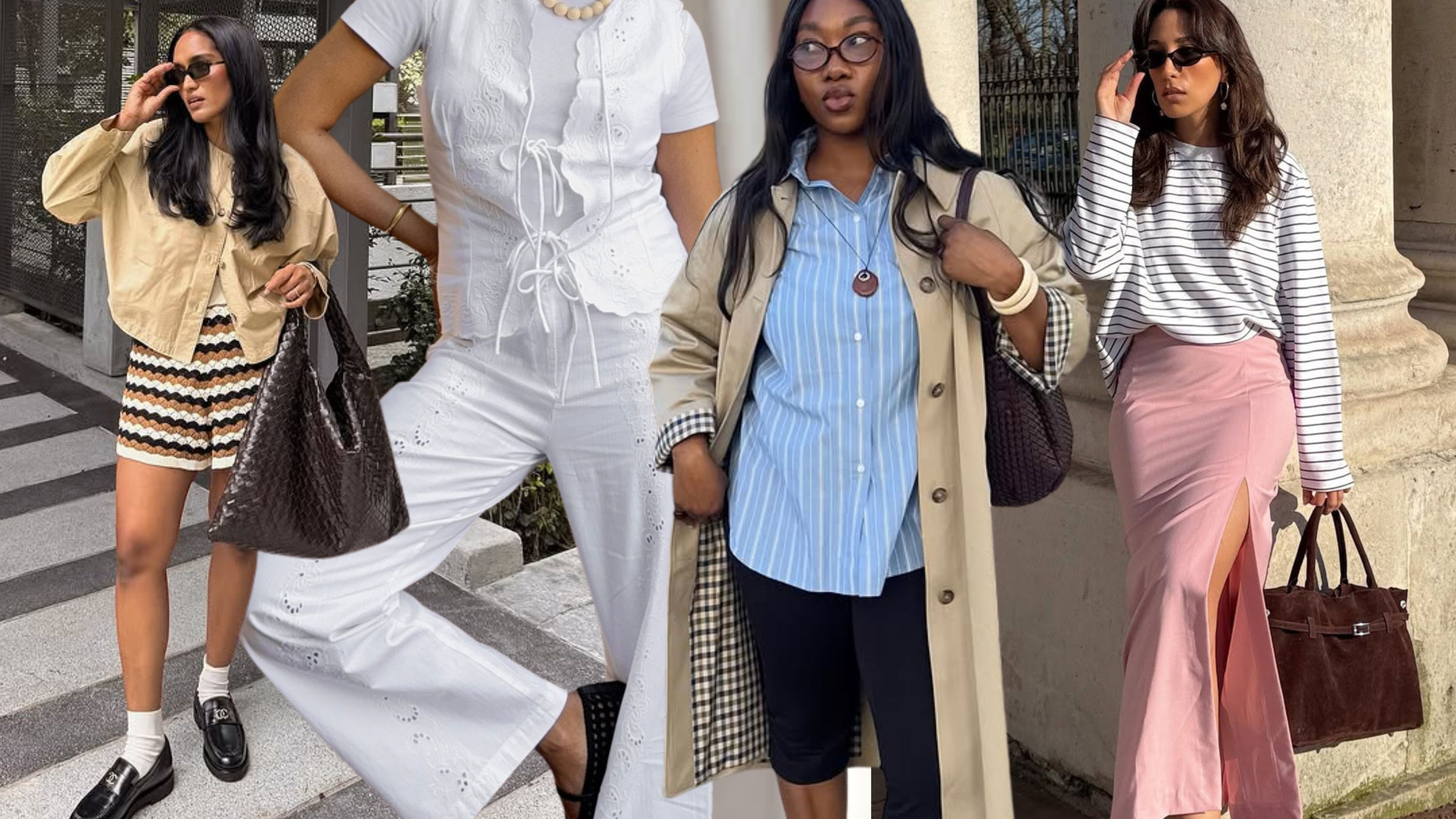

Fashion is more than just wearing beautiful clothes. It is a way to express your personality, show your creativity, and feel comfortable in your own skin. The clothes you choose can reflect your mood, lifestyle, culture, and personal taste. Whether you enjoy experimenting with new trends or prefer simple, timeless outfits, developing your own style can make getting dressed every day a little more enjoyable.
You do not need an expensive wardrobe or designer labels to look stylish. Sometimes, a well-fitted pair of jeans, a clean white shirt, comfortable footwear, and a few carefully chosen accessories are enough to create an attractive look. The secret is understanding what works for you and learning how to combine different pieces in a way that feels natural.
Fashion trends change throughout the year, but personal style develops over time. Instead of following every new trend, it is more useful to choose clothing that suits your lifestyle, feels comfortable, and helps you feel confident.
Understanding Fashion and Personal Style

Fashion includes clothing, footwear, accessories, colours, patterns, and the way different pieces come together. Personal style is how you use these elements to create a look that represents you.
Some people love bold colours, statement accessories, and experimental outfits. Others prefer neutral shades, classic cuts, and minimal designs. Neither approach is better than the other. The best style is one that makes you feel comfortable and reflects your personality.
Start by looking at the clothes you already enjoy wearing. Notice which colours you reach for most often, which outfits make you feel confident, and which pieces remain unused in your wardrobe. These small observations can help you understand your preferences.
It is also helpful to think about your everyday routine. Someone working in an office may need smart casual clothing, while a student might prefer relaxed outfits that are easy to wear throughout the day. Your wardrobe should support your real life rather than simply look attractive in photographs.
| Personal Style | Common Clothing Choices | Overall Look |
|---|---|---|
| Casual | T-shirts, jeans, sneakers | Relaxed and comfortable |
| Minimalist | Neutral tops, simple trousers | Clean and understated |
| Classic | Shirts, tailored trousers, blazers | Timeless and polished |
| Streetwear | Oversized tops, sneakers, graphic tees | Modern and expressive |
| Bohemian | Flowy dresses, earthy colours, layered accessories | Creative and relaxed |
Latest Fashion Trends to Explore
Fashion trends offer fresh ideas and inspiration. They can introduce new silhouettes, interesting colour combinations, creative layering techniques, and different ways to style familiar clothes.
However, you do not have to adopt every trend to remain fashionable. Choose the trends that fit your personality, budget, and existing wardrobe.
Relaxed and Comfortable Clothing
Comfortable clothing is an important part of everyday style. Relaxed-fit jeans, loose shirts, wide-leg trousers, oversized jackets, and soft cotton tops can create an effortless appearance without feeling restrictive.
The key is balance. If you wear an oversized shirt, you might pair it with straight-leg jeans or fitted trousers. Alternatively, wide-leg pants can look polished with a simple top tucked neatly into the waistband.
Relaxed clothing works particularly well for shopping trips, casual meetings, college days, travel, and weekends. With the right shoes and accessories, the same outfit can look casual or slightly more polished.
Minimalist Fashion
Minimalist fashion focuses on simplicity, clean lines, versatile colours, and pieces that work well together. White, black, beige, navy, grey, and earthy shades are common choices because they can be combined in many ways.
For example, a black top, beige trousers, simple flats, and a structured handbag can create a polished outfit without requiring complicated styling.
Minimalism does not mean that every outfit must look plain. Interesting textures, thoughtful proportions, delicate jewellery, and quality-looking fabrics can make a simple outfit feel distinctive.
Denim for Everyday Wear

Denim remains one of the most versatile parts of a wardrobe. Jeans, denim jackets, skirts, and shirts can be styled for different occasions with very little effort.
Straight-leg jeans work well with basic T-shirts, shirts, and lightweight sweaters. Wide-leg denim can create a relaxed silhouette, while darker denim often looks more formal than heavily distressed styles.
A denim jacket can be layered over a dress, paired with trousers, or worn with a simple top and sneakers. If you enjoy matching denim pieces, try different shades or break up the look with a contrasting shirt or accessory.
Colours and Patterns
Colour can completely change the mood of an outfit. Neutral shades offer a classic appearance, while brighter colours bring energy and personality.
If you usually wear neutral clothing, introduce colour through a handbag, scarf, shoes, or top. If you already enjoy colourful outfits, experiment with combinations that share a similar tone or use one bright piece as the centre of attention.
Patterns can also make everyday clothing more interesting. Stripes, checks, florals, and geometric prints are useful options. When wearing a bold patterned item, keep the rest of the outfit relatively simple so that the overall look feels balanced.
| Fashion Element | How to Wear It | Styling Benefit |
|---|---|---|
| Neutral colours | Combine beige, white, black, or navy | Easy to coordinate |
| Bright colours | Use one colourful piece with simple basics | Adds energy to an outfit |
| Stripes and checks | Pair patterned clothing with solid colours | Creates visual interest |
| Oversized fits | Balance loose pieces with structured items | Delivers a relaxed, modern look |
| Denim | Combine jeans or jackets with everyday basics | Offers versatile styling options |
Everyday Outfit Ideas for Different Occasions
You do not need a completely different wardrobe for every occasion. A few versatile clothing pieces can be styled in several ways, helping you save money and avoid the daily question of what to wear.
Casual Outfits for Daily Wear
Casual outfits should feel comfortable while still looking neat. A plain T-shirt with jeans and sneakers is a reliable combination for everyday activities. You can add a lightweight jacket, a watch, or a small crossbody bag to make the look feel more complete.
For warmer weather, cotton tops, linen shirts, relaxed trousers, and breathable dresses can be practical choices. During cooler months, sweatshirts, knitwear, jackets, and layered outfits provide warmth while maintaining a stylish appearance.
The most important thing is to choose clothes that allow you to move comfortably and suit the weather.
Office and Smart Casual Style
Office clothing does not have to be boring. A well-fitted shirt, tailored trousers, a simple dress, or a neat blouse can create a professional appearance without sacrificing comfort.
Neutral colours are easy to coordinate, but you can also introduce subtle patterns or a brighter accessory. Loafers, flats, low heels, or clean formal shoes can complete the outfit, depending on your workplace requirements.
For smart casual occasions, combine one polished item with something more relaxed. For example, wear a structured blazer with jeans, or pair tailored trousers with a simple knit top.
Before choosing an outfit, consider your workplace dress code. The aim is to feel confident while remaining appropriate for the setting.
Party and Special Occasion Outfits

Special occasions are a good opportunity to experiment with a more expressive style. Depending on the event, you might choose a statement dress, a coordinated set, a stylish shirt with tailored trousers, or a traditional outfit.
Accessories can make a noticeable difference. Earrings, a necklace, a belt, a clutch, or distinctive footwear can add personality without requiring an entirely new outfit.
Try your complete look before the event. Check the fit, comfort, and movement of your clothing, especially if you will be sitting, dancing, or spending several hours outside. An outfit that looks good and feels comfortable is usually more enjoyable to wear.
Travel-Friendly Fashion
Travel outfits should be comfortable, practical, and easy to coordinate. Stretchable trousers, breathable tops, lightweight layers, and comfortable shoes are useful choices for long journeys.
Choose pieces that can be mixed and matched rather than packing separate outfits for every activity. A neutral pair of trousers, for instance, may work with several tops and can be dressed up with a jacket or accessories.
Weather also matters. Carry a layer for air-conditioned spaces or unexpected temperature changes, and select footwear suitable for the amount of walking you expect to do.
| Occasion | Outfit Combination | Useful Accessories |
|---|---|---|
| Everyday errands | T-shirt, jeans, sneakers | Crossbody bag, watch |
| College or casual outings | Relaxed shirt, trousers, flats | Backpack, simple jewellery |
| Office | Shirt or blouse, tailored trousers | Belt, structured bag |
| Party | Dress or coordinated outfit | Earrings, clutch, statement shoes |
| Travel | Comfortable trousers, breathable top | Lightweight jacket, practical bag |
| Weekend brunch | Casual dress or jeans with a stylish top | Sunglasses, small handbag |
How to Build a Versatile Wardrobe
A versatile wardrobe contains clothing that works together rather than a large number of pieces that are difficult to combine. You can build one gradually, without replacing everything you own.
Start with the basics you genuinely wear. These might include comfortable jeans, plain T-shirts, a white or neutral shirt, well-fitting trousers, a jacket, everyday shoes, and a few pieces suited to your personal style.
Next, add items that bring variety. This could be a colourful top, a patterned skirt, a statement jacket, or an accessory that transforms a simple outfit.
Before purchasing anything, ask yourself whether the item works with at least two or three things you already own. This simple habit can help prevent unnecessary spending.
| Wardrobe Essential | Styling Options | Best Use |
|---|---|---|
| Plain T-shirt | Jeans, skirts, trousers | Everyday wear |
| Classic shirt | Tailored pants, denim, shorts | Casual and smart casual looks |
| Well-fitting jeans | T-shirts, blouses, sweaters | Daily activities |
| Versatile jacket | Dresses, jeans, trousers | Layering and cooler weather |
| Comfortable footwear | Casual and coordinated outfits | Daily wear and travel |
| Simple accessories | Dresses, shirts, basic outfits | Adding personality |
A wardrobe does not need to follow a strict formula. Your ideal collection depends on your climate, routine, preferences, and the occasions you dress for most frequently.
Choosing Clothes That Fit Well
Fit is one of the most important parts of creating a polished outfit. Even expensive clothing may not look or feel right if it is uncomfortable or does not suit your preferences.
Pay attention to the shoulders of shirts and jackets, the length of trousers, the waist of skirts, and how easily you can move in a garment. Clothing should allow you to sit, walk, bend, and go about your day without constant adjustment.
You do not need to choose only fitted clothing. Oversized and relaxed silhouettes can look equally stylish when the proportions feel intentional. For instance, a loose shirt can be tucked in at the front, or wide-leg trousers can be paired with a shorter jacket.
Sizing also varies between brands, so focus on how an item fits rather than relying entirely on the number on its label. If you love a piece but the fit is slightly off, a simple alteration may make it much more wearable.
| Clothing Item | What to Check | Helpful Styling Tip |
|---|---|---|
| Shirt or top | Shoulder fit and sleeve length | Tuck it in for a more polished look |
| Jeans | Waist, length, and comfort | Choose a cut that suits your everyday activities |
| Trousers | Waistband and leg length | Pair wide-leg styles with a balanced top |
| Jacket | Shoulder fit and ease of movement | Try it over the layers you normally wear |
| Dress | Comfort while sitting and walking | Choose footwear suitable for the occasion |
The Role of Accessories in Fashion
Accessories can refresh familiar outfits and make them feel more personal. They do not need to be expensive or dramatic to have an impact.
A watch can add a refined touch, while a scarf can introduce colour or texture. Belts can help define the shape of an outfit, and a handbag can make a practical look feel more coordinated. Jewellery can be delicate and understated or bold enough to become the main feature.
The easiest way to style accessories is to begin with the outfit itself. If your clothes have bright colours or busy patterns, simpler accessories may work well. If you are wearing a neutral outfit, a colourful bag, statement earrings, or distinctive shoes can add interest.
Avoid the pressure to wear every accessory at once. Choose the pieces that complement your outfit and suit the occasion.
| Accessory | Styling Idea | Suitable For |
|---|---|---|
| Watch | Pair with a shirt or simple outfit | Work and daily wear |
| Earrings | Choose small studs or statement designs | Casual outings and parties |
| Belt | Add it to jeans or tailored trousers | Everyday and smart casual looks |
| Handbag | Coordinate with your shoes or outfit colours | Work, shopping, and events |
| Scarf | Use it to introduce colour or texture | Seasonal styling and travel |
| Sunglasses | Select a comfortable, practical frame | Outdoor activities and holidays |
Seasonal Fashion and Smart Layering
Seasonal dressing is about choosing the right fabrics, colours, and layers for the weather.
During warmer months, cotton, linen, and other breathable materials can help you stay comfortable. Lightweight dresses, loose shirts, airy trousers, and comfortable sandals are useful options when temperatures rise.
For colder weather, knitwear, coats, jackets, scarves, and layering pieces provide warmth. A T-shirt or shirt beneath a sweater, combined with a suitable outer layer, allows you to adjust your clothing as temperatures change.
Layering can also add visual interest. Combining different textures, such as denim with knitwear or a cotton shirt with a structured jacket, creates depth without needing bold patterns.
In rainy weather, practical choices matter just as much as appearance. Water-resistant outerwear, suitable footwear, and clothes that dry reasonably quickly can make daily travel easier.
| Season or Weather | Clothing Choices | Practical Tip |
|---|---|---|
| Hot weather | Cotton tops, linen trousers, lightweight dresses | Choose breathable fabrics |
| Rainy days | Light jackets, quick-drying clothing | Wear footwear with a good grip |
| Cool weather | Sweaters, long-sleeved tops, trousers | Add layers you can remove |
| Cold winter days | Coats, knitwear, scarves | Prioritise warmth and comfort |
| Changing temperatures | Shirts, cardigans, lightweight jackets | Use flexible layers |
The best seasonal wardrobe is one that responds to your local climate and daily activities.
Fashion Tips for Different Budgets
Looking stylish should not require spending beyond your means. A thoughtful wardrobe often provides more value than frequent shopping for items that are worn only once.
Shop With a Plan
Before shopping, check what you already own. Identify the pieces you wear regularly and note any genuine gaps. If most of your trousers are dark, for example, a versatile lighter pair might offer more styling options than another similar pair of jeans.
Make a short shopping list and set a budget before browsing. This can help you focus on useful purchases instead of buying something simply because it is discounted.
Compare Quality and Practicality
Look at the stitching, fabric, fastenings, and overall construction of an item. Consider whether it will be comfortable to wear and easy to care for.
A higher price does not automatically mean better quality, and a lower-priced item can still be a good purchase if it suits your needs and lasts well.
Think about cost per wear. A jacket used several times a week may offer better value than a special-occasion item worn once, even if the jacket costs more initially.
Explore Second-Hand Fashion
Thrift stores, resale platforms, and clothing swaps can be useful ways to find distinctive pieces at lower prices. Second-hand shopping can also help extend the life of clothing that is still in good condition.
Check measurements, fabric condition, stains, zippers, and buttons before buying. When purchasing online, review the seller’s return policy and product details carefully.
You can also refresh clothes you already own through simple repairs, alterations, or new styling combinations.
| Shopping Habit | Why It Helps | Example |
|---|---|---|
| Set a budget | Keeps spending under control | Decide how much you can spend before shopping |
| Make a list | Reduces impulse purchases | Buy a needed shirt instead of another similar top |
| Check fabric and stitching | Helps assess practicality | Inspect seams and fastenings |
| Compare cost per wear | Focuses on long-term usefulness | Choose versatile trousers over a rarely worn item |
| Consider second-hand pieces | Offers another way to shop affordably | Look for quality jackets or bags |
| Reuse existing clothes | Creates new looks without extra spending | Style one shirt with three different bottoms |
Sustainable Fashion and Responsible Shopping
Fashion choices affect not only personal style but also how clothing is produced, used, and discarded. Building a more responsible wardrobe does not mean you must buy only sustainable brands or make every decision perfectly.
One practical step is to wear your clothes for longer. Follow care labels, wash items according to their fabric needs, repair loose buttons, and store seasonal clothing properly. These small habits may help your favourite pieces remain wearable for years.
Buying fewer, more useful items can also reduce unnecessary wardrobe clutter. Before purchasing a new trend, consider whether you will still enjoy wearing it after the initial excitement fades.
When clothes no longer suit you, consider repairing them, passing them to someone who can use them, donating them where appropriate, or using textile recycling options available in your area.
| Responsible Fashion Habit | What You Can Do | Potential Benefit |
|---|---|---|
| Care for clothing | Follow washing and storage instructions | Helps clothes last longer |
| Repair damaged items | Fix buttons, seams, and small tears | Reduces unnecessary replacement |
| Shop thoughtfully | Buy pieces you expect to wear often | Limits wardrobe clutter |
| Reuse clothing | Create new combinations with existing pieces | Extends the use of each item |
| Donate or recycle | Choose appropriate local options | Keeps usable textiles in circulation |
Responsible fashion is about making thoughtful choices that suit your circumstances. Small improvements can be more realistic and lasting than trying to change your entire wardrobe at once.
Common Fashion Mistakes to Avoid
Fashion is personal, so there are no universal rules that everyone must follow. Still, a few habits can make getting dressed easier and help you avoid purchases you later regret.
Buying clothes without considering your existing wardrobe: An attractive item may be difficult to wear if it does not match anything you own. Think about possible outfit combinations before buying.
Following every trend: Trends can be fun, but not every style will suit your preferences or routine. Choose selectively and keep your personal style at the centre.
Ignoring comfort: Shoes that hurt or clothes that restrict movement can make even a beautiful outfit frustrating. Comfort deserves a place in every styling decision.
Choosing the wrong fabric for the weather: Heavy fabrics can feel uncomfortable in heat, while lightweight pieces may not provide enough warmth in winter. Consider the conditions in which you will wear the outfit.
Overcomplicating outfits: Too many competing colours, patterns, and accessories can make styling feel harder than necessary. Sometimes, a simple combination is all you need.
Neglecting clothing care: Wrinkled shirts, loose threads, and worn-out footwear can affect the overall appearance of an outfit. Regular care helps clothes look presentable for longer.
| Common Mistake | Better Approach | Result |
|---|---|---|
| Buying without a plan | Check your wardrobe first | More useful purchases |
| Copying every trend | Select trends that suit your taste | More personal style |
| Ignoring comfort | Try clothing before committing | Easier everyday wear |
| Wearing unsuitable fabrics | Consider the weather | Better comfort throughout the day |
| Adding too many accessories | Choose a few complementary pieces | A more balanced outfit |
| Skipping clothing care | Clean, repair, and store clothes properly | A neater appearance |
How to Develop Your Own Signature Style
Your signature style does not need to be a fixed uniform. It is simply a collection of preferences that makes your outfits feel recognisably yours.
Start by collecting inspiration from outfits you genuinely like. Pay attention to repeated details, such as particular colours, silhouettes, fabrics, or accessories. You may notice that you consistently prefer neutral clothing, relaxed fits, traditional prints, or simple outfits with one statement piece.
Experiment with these elements using the clothes you already own. Try new combinations, take notes about what feels comfortable, and keep the outfits you enjoy wearing most.
You can also create a small collection of go-to outfits for busy mornings. For example, keep one casual combination for daily errands, one polished outfit for meetings, and one comfortable look for travel. These combinations provide a starting point without limiting your creativity.
| Step | What to Try | Why It Matters |
|---|---|---|
| Find inspiration | Save outfit ideas you genuinely like | Helps identify your preferences |
| Notice patterns | Look for repeated colours and silhouettes | Makes your style easier to understand |
| Experiment | Mix existing wardrobe pieces differently | Encourages creativity |
| Create go-to outfits | Prepare a few reliable combinations | Saves time on busy mornings |
| Review your choices | Keep the styles you enjoy wearing | Builds a more personal wardrobe |
Most importantly, allow your style to change. Your preferences may evolve with your lifestyle, work, budget, or interests. You do not have to maintain the same look forever to have a clear personal style.
Fashion and Confidence
Clothing can influence how you feel, but confidence does not come from wearing the latest collection or meeting someone else’s expectations. It grows when you feel comfortable with your choices and stop treating fashion as a competition.
Wear colours that make you happy. Choose clothing that suits your activities. Experiment when you feel curious, and keep things simple when that is what you prefer.
It is also worth remembering that fashion inspiration often comes from carefully styled photographs, professional lighting, and edited images. Everyday clothing does not need to look perfect from every angle to be attractive or useful.
Rather than comparing your wardrobe with someone else’s, focus on what works for your own life. A personal style that feels authentic is more rewarding than one built entirely around outside approval.
FAQ’S
1. What are the latest fashion trends?
Popular fashion trends include relaxed-fit clothing, wide-leg jeans, minimalist outfits, oversized jackets, statement accessories, and versatile neutral colours. Choose trends that match your personal style and comfort.
2. How can I look stylish every day?
You can look stylish every day by wearing well-fitting clothes, combining colours thoughtfully, keeping your outfits neat, and adding simple accessories. You do not need expensive brands to create an attractive look.
3. How can I build a fashionable wardrobe on a budget?
Start with essential pieces such as basic T-shirts, jeans, versatile trousers, comfortable shoes, and a classic jacket. Shop with a plan, look for quality, and choose clothes that can be styled in multiple ways.
4. How do I choose the right outfit for different occasions?
Consider the occasion, weather, dress code, and your comfort. Casual outfits work well for everyday activities, tailored clothing suits many office settings, and dresses or coordinated outfits can be appropriate for parties and special events.
5. Why is personal style important in fashion?
Personal style allows you to express your personality and feel confident in your clothing choices. It helps you select outfits that suit your lifestyle instead of following every trend or comparing yourself with others.



Leave a Reply