

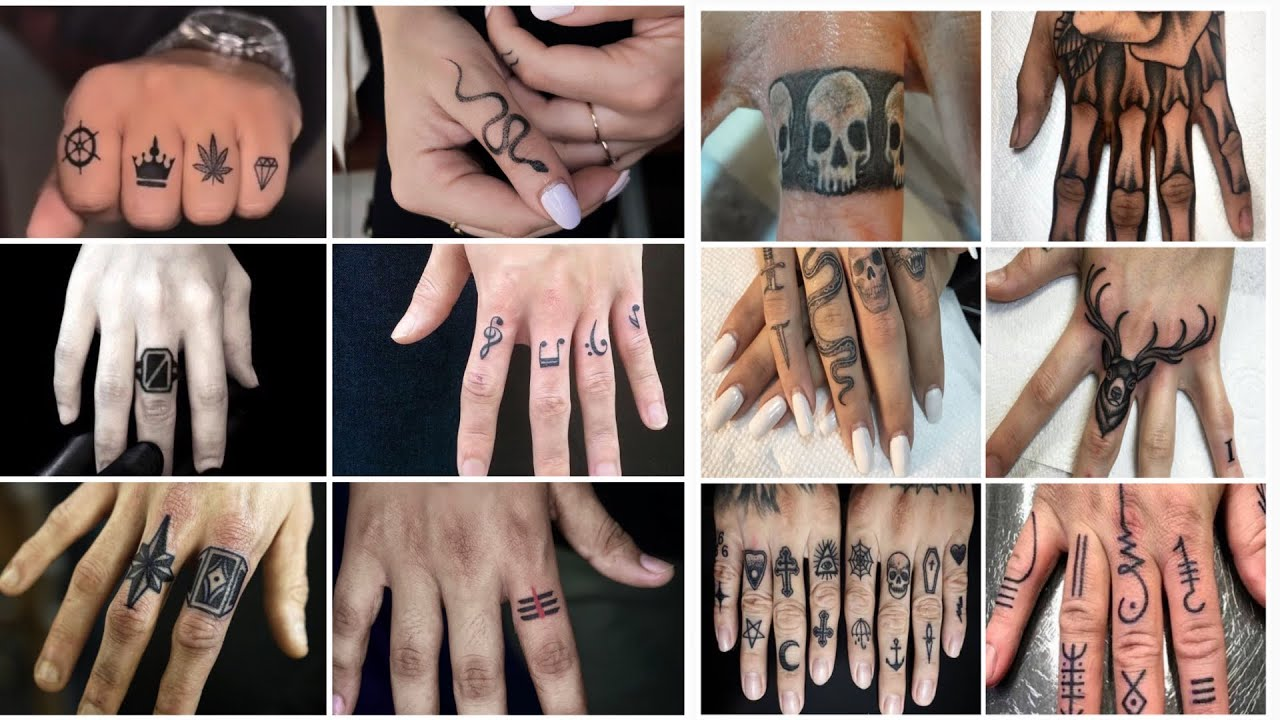

Minimalist finger tattoos have become hugely popular, and it’s easy to see why. A thin line, a tiny moon or a single letter doesn’t announce itself. It just sits there, quiet and a little secret, and people notice it only when you’re reaching for a cup or tucking a strand of hair behind your ear. It feels like jewellery that belongs to you in a deeper way, something that stays on through monsoon rain, long train rides and the middle of a very bad Monday.
I’ve watched a few friends go through this decision, and it’s rarely quick. They save screenshots for months. They change their mind from a moon to a dot and back to a moon. They ask everyone they know whether it will hurt, whether it will fade, whether their mother will say something at the next family dinner. If that sounds like you, take a breath. There’s no rush, and the questions you’re asking are the right ones.
In this guide, we’ll go through the simple, elegant small finger tattoo ideas that tend to work best, how fingers actually heal and fade, and what to ask before you sit in the artist’s chair. Think of it as a chat with a friend who’s already been through it, minus the pressure to book an appointment tomorrow.
Why Finger Tattoos Are So Popular Right Now

Part of body art it is simple: hands are always in view. You see your tattoo while typing, texting, holding a coffee cup. A tiny design there feels personal, like a secret you carry around and share only when you want to.
They also suit almost every style. A thin line or small symbol works with a saree and a plain white shirt alike, and it doesn’t look out of place in an office. For people who like the idea of ink but aren’t ready for a big piece on their arm, fingers feel like a gentle first step.
Simple Finger Tattoo Ideas That Never Feel Overdone
A Thin Band or Line
This is the one most people start with. A single fine line around the finger looks like a ring you never take off. It’s clean and quiet, and it goes well with real jewellery too. If you want a little extra, try two very thin lines close together, or a band with a tiny gap in the middle.
Small Dots and Dashes
Three dots in a row, a tiny dot on the side of a finger, or a short dash pattern can look surprisingly stylish. People often pick these because they feel modern and a little mysterious, like Morse code only you understand.
Tiny Moons and Stars
A small crescent moon is probably the most loved finger design out there. It’s soft, simple and easy to read even at a small size. A little star or a tiny cluster of three stars works the same way. They look lovely on the side of the finger, where they catch the eye without taking over.
Minimal Hearts
Not the big, bright kind. Think of a very small outline heart, or even half a heart that matches a friend’s or partner’s. Sisters and best friends often choose this one together, and it holds up better as a memory than another set of matching bracelets.
Initials and Tiny Letters Tattoos
A single letter, in thin script or plain print, can stand for a child, a parent, a partner or yourself. Keep the font simple. Fancy lettering gets blurry on small fingers faster than you’d expect.
Little Symbols with Meaning
A tiny sun, a small wave, a leaf, an infinity sign, a mountain line. Many people pick a symbol that reminds them of something they got through. One woman I know has a tiny sprout on her pinky from the year she started her own business. It means nothing to a stranger, and everything to her.
Small Flowers and Sprigs Tattoos
A thin-line flower, like a small daisy or a single branch with two or three leaves, can look wonderfully delicate. Choose one with open, simple lines. Heavy shading doesn’t last well on fingers.
Which Finger Should You Pick?
It’s less about rules and more about how you want it to feel.
The ring finger is the classic choice for bands and anything that feels like a “forever” symbol. The index and middle fingers get the most attention, and they’re good for simple shapes like moons or small symbols. The pinky suits tiny, cute designs. The thumb has more room, though it’s also the place where designs tend to fade faster because of constant use.
Many people like the side of the finger or the area just above the knuckle, because it looks natural and stays slightly less exposed to rubbing than the top or inner side.
Things Nobody Tells You Before Your First Finger Tattoo

I’ll be honest here, because pretty photos on social media leave out a few things.
Finger tattoos fade, and sometimes quickly
Fingers are one of the hardest places to keep a tattoo crisp. Skin there is thin, it stretches all day, and it gets washed, scrubbed and sun-exposed constantly. Fine lines can blur or disappear in patches within a year or two. Lots of people go back for a touch-up, so it’s worth planning for one.
Does it hurt?
Most people describe it as sharp and scratchy, but short. Bony areas like knuckles and the sides of fingers tend to sting more than fleshy areas. Because the design is tiny, it usually takes under an hour. Naina said she mostly felt it in the first few minutes, and then her mind went to other things. Everyone’s pain tolerance is different, so take that as one story, not a promise.
Size matters more than you think
Tiny designs with too much detail turn into smudges over time. If you want something that holds up, keep the design simple, with clear spacing between lines. A good artist will tell you if your idea is too small to last.
Jewellery can hide it, or fight with it
If you wear a lot of rings, think about whether your tattoo will be covered or crowd the metal. Some people love the layered look, others find it messy. Try placing a ring over the area in a mirror before you decide.
How to Choose the Right Tattoos Artist
This matters more than the design itself. Look for someone who does fine line work regularly, not just large pieces. Ask to see healed photos of finger tattoos, not just fresh ones, because fresh ink always looks perfect. Check that the studio is clean, uses single-use needles and follows hygiene rules, and don’t be shy about asking questions.
A good artist will also be honest. If they say your design might blur or suggest a slightly bigger version, that’s usually care, not upselling.
Aftercare: Small Tattoo, Same Rules
Finger tattoos heal faster than large ones, but they still need attention. Your artist will explain their own routine, and you should follow that over anything you read online. In general, keep the area clean and dry, avoid soaking your hand for long periods, stay out of direct sun, and don’t pick at scabs or flakes. Use only the ointment or moisturiser your artist recommends, and in thin layers.
Since hands are always busy, you’ll need to be a bit more careful for the first couple of weeks. Wear gloves for washing dishes and cleaning, and be gentle with sanitiser around the area. If you notice swelling, pus, a lot of redness or anything that feels wrong, see a doctor.
A Few Things to Think About First

Tattoos are permanent, even tiny ones. Fingers are very visible, so consider how you’d feel about it in a job interview or at a family function. In some workplaces and families, visible tattoos still raise eyebrows, so it’s worth thinking it through.
Also, give the idea time. If you still love the design after a few weeks, or a few months like Naina did, that’s a good sign. Try drawing it with a skin-safe pen first and wear it for a few days to see how it feels.
FAQ’s
Q1. What are the best minimalist finger tattoo designs?
Tiny hearts, stars, dots, initials, fine lines, and small floral designs are popular minimalist choices.
Q2. Are minimalist finger tattoos a good choice for beginners?
Yes, their simple designs can suit first-time tattoo enthusiasts, although finger tattoos may fade faster than tattoos on other body areas.
Q3. Do finger tattoos fade quickly?
Yes, frequent hand washing, friction, and skin movement can cause finger tattoos to fade or blur over time.
Q4. Are minimalist finger tattoos painful?
Finger tattoos can be uncomfortable because the skin is thin and close to the bone.
Q5. How long do finger tattoos last?
Finger tattoos can last for years, but their appearance may change and occasional touch-ups may be needed.




Leave a Reply