

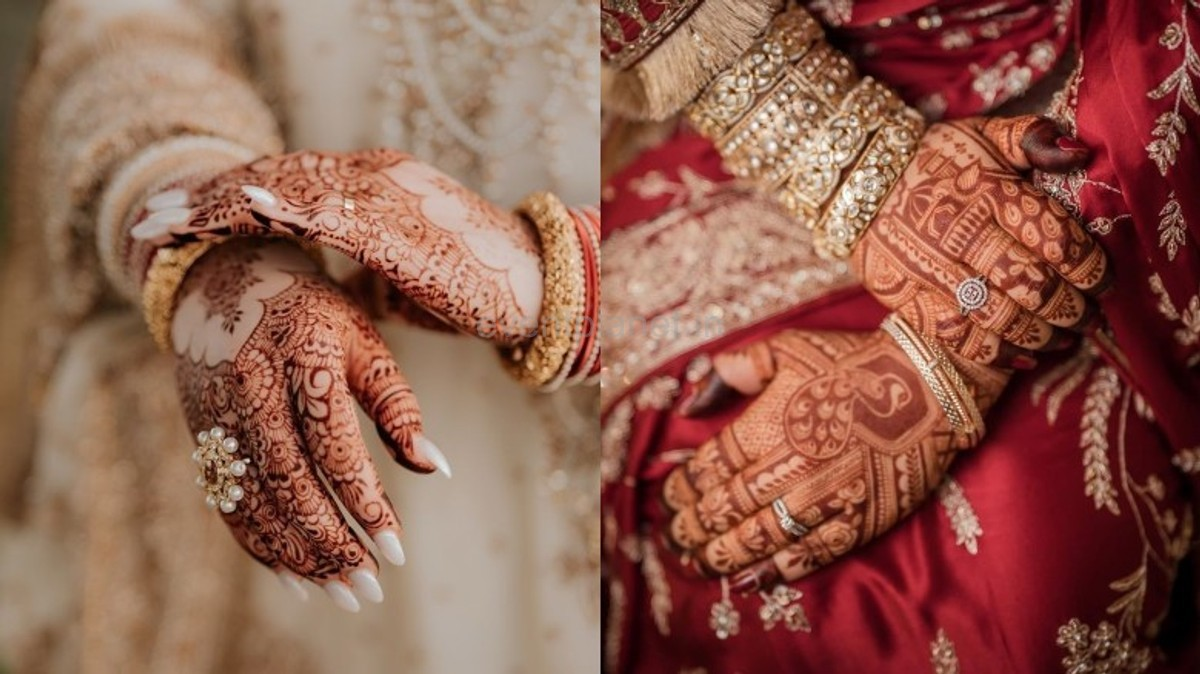

Diwali is incomplete without the warm, rich color and sweet fragrance of fresh mehndi (henna). Adorning your hands with beautiful patterns is one of the most cherished festive traditions, bringing together family, laughter, and a touch of traditional glamour.
Whether you prefer intricate full-hand traditional patterns or quick, modern, minimal designs, there is a perfect style to complement your festive outfit.Here is a curated guide to the most popular, stunning, and easy Diwali mehndi designs to help you choose your festive look this year!
Every Diwali, the same scene plays out at my place. It’s late evening, the house still smells of ghee and incense, and somebody in the family is sitting on the floor with a cone, a tissue and a very serious expression, drawing flowers on someone else’s palm. That’s when it really starts to feel like the festival. Mehndi has a way of making you slow down in the middle of all the running around. You sit still for an hour, you chat, you wait for it to dry, and you end up with something beautiful on your hands. This guide covers designs for every kind of hand and skill level, plus the small tricks that make the colour come out dark.
Why Mehndi Belongs to Diwali

Mehndi isn’t only for weddings. In many homes, women apply it a day or two before Diwali, and there’s a lovely feeling around it. It’s a quiet kind of getting ready, usually done together with sisters, cousins or neighbours, and the designs often carry a festive touch like diyas, lotuses and peacocks. Dark mehndi is also considered auspicious in many families, which is why people check the colour on each other’s hands so eagerly the next morning. Even if you’re not very traditional, a little mehndi lifts a simple kurta or saree and makes the whole look feel finished, like a final piece of jewellery that nobody can take off.
- A calm, shared ritual before the busy days
- Festive motifs that match the occasion
- A simple way to dress up any outfit
Design Ideas for Every Style
Not everyone has the patience for a full bridal hand, and honestly, nobody has the time during Diwali week. The good news is that you can pick a design that suits your mood, your skill and the hours you actually have.


Simple and Quick Designs
If you’re a beginner or short on time, start with a small motif on the back of the hand: a single flower with a few leaves, a row of tiny dots or a thin vine running up the finger. These take ten to fifteen minutes per hand and still look neat. A circle design on the palm, with petals around it, is also very easy because you can draw the centre first and build outward. Keep your lines thin and don’t worry if one petal is slightly bigger than the other. Mehndi has a handmade charm that looks better when it’s a little imperfect.
Traditional Floral and Peacock Patterns
For people who love the classic look, floral jaal work and peacock motifs are always a safe choice. A peacock with its fan of feathers on the back of the hand looks grand, and you can fill the rest with small flowers and curved leaves. These designs take longer, usually an hour or more per hand, so plan them for a quiet evening and not the afternoon of the pooja. They go especially well with silk sarees and heavy lehengas.
Diya and Rangoli Inspired Motifs
This is my favourite kind for Diwali, because it connects the design to the festival itself. Draw a diya in the middle of the palm with a small flame, then surround it with dots and tiny petals like a rangoli. You can add a string of little lamps across the fingers or a lotus at the wrist. It’s a thoughtful touch that people always notice, and it makes the design feel personal instead of copied from a catalogue.
Modern and Minimal Styles
If you prefer a cleaner look, try Arabic style lines that flow diagonally across the hand, or a minimal bracelet pattern around the wrist. Negative space designs, where some parts are left blank and the rest is filled, are also popular. They look stylish with Indo-western outfits and don’t take much time. A few thin leaves climbing up one finger can be enough for someone who doesn’t want the whole hand covered.
Here’s a quick way to choose a design based on your time and outfit:
| Design Style | Time Needed (Per Hand) | Best With |
|---|---|---|
| Single flower and vine | 10 to 15 minutes | Casual kurta, office-friendly look |
| Diya and rangoli motif | 30 to 40 minutes | Cotton or silk saree, pooja day |
| Arabic diagonal pattern | 25 to 35 minutes | Indo-western outfits, palazzo sets |
| Floral jaal with leaves | 45 to 60 minutes | Anarkali, sharara, festive suits |
| Peacock with full coverage | 60 to 90 minutes | Heavy silk saree, lehenga |
Getting the Colour Right


A lovely design means little if the colour comes out pale and orange. The good news is that dark mehndi mostly depends on how you prepare and what you do after applying it, not on luck. A few small habits make a surprising difference.
Before You Apply
Wash your hands with plain soap and water, dry them fully, and skip any cream or oil that day, because it blocks the paste from sticking to the skin. If you’re using a ready-made cone, check that it’s fresh and has a natural, earthy smell. Chemical cones that promise instant black colour can cause burns and rashes, so I’d avoid them completely. Natural henna paste is slower, but it’s much safer for your skin, and the colour that develops is a warm reddish brown.
After the Mehndi Dries
Once the paste is dry, dab a mix of lemon juice and sugar gently on top with a cotton ball. It keeps the mehndi stuck to the skin and helps the colour go deeper. Leave the paste on for at least six to eight hours, or overnight if you can manage it. Then scrape it off with the back of a spoon instead of washing it under water, and avoid water for the first few hours. A little clove smoke or warmth from a dry pan also helps colour bloom, although you should do it carefully and keep your hands away from open flames.
- Lemon and sugar mix to seal the design
- Keep the paste on for as long as possible
- Rub a little mustard oil once you remove it
Timing, Care and Little Mistakes to Avoid
Plan your mehndi one or two days before Diwali, not on the same day. Colour keeps darkening for 24 to 48 hours after you remove the paste, so a design applied the night before will look its best right on the festival day. If you apply it too late, you’ll be stuck with pale hands in all your photos. Also, avoid doing heavy kitchen work with wet hands straight after, because water and detergent fade the stain quickly. If you’re cooking a lot, wear thin gloves or ask someone else to handle the washing up for a day. Think of it as a small excuse to rest.

Safety and Skin Care
Natural henna is generally safe, but skin can still react, so test a tiny dot on the inner wrist if you’ve never used a certain brand. Stay away from anything labelled black henna, since it can contain a chemical dye that causes burning, blisters and long-term skin sensitivity. If you have any allergy or are applying it on a child, be extra careful, and wash it off immediately if the skin stings or turns red. Keep the mehndi away from the diya flame while it’s still wet, and avoid wearing synthetic clothes with loose sleeves near open lamps.
Here’s a simple guide to what works and what doesn’t when you’re doing your own mehndi at home:
| Do This | Avoid This | Reason |
|---|---|---|
| Use fresh natural henna paste | Cones promising instant black colour | Chemical dyes can burn the skin |
| Apply 1 to 2 days before Diwali | Applying on the festival morning | Colour needs time to darken |
| Seal with lemon and sugar | Washing hands right after drying | Water fades the stain early |
| Keep the paste on 6 to 8 hours | Scraping it off after an hour | Short contact gives a pale colour |
| Moisturise gently after removal | Scrubbing the stain with soap | Rubbing lightens the design |
FAQs
1. What are the best mehndi designs for Diwali?
Floral patterns, mandala designs, paisley motifs, and traditional Indian mehndi patterns are popular choices for Diwali.
2. Which mehndi designs are easy for beginners?
Simple floral designs, small dots, leaves, and basic mandala patterns are great for beginners.
3. How can I make my Diwali mehndi look beautiful?
Choose a design that suits your style, apply it carefully, and allow the henna to dry properly.
4. How long does Diwali mehndi take to dry?
It usually takes around 20–60 minutes to dry, depending on the paste, design, and surrounding conditions.
5. Which mehndi designs look good on the back of the hand?
Mandala patterns, leafy vines, finger designs, and floral trails look beautiful on the back of the hand.

Leave a Reply