

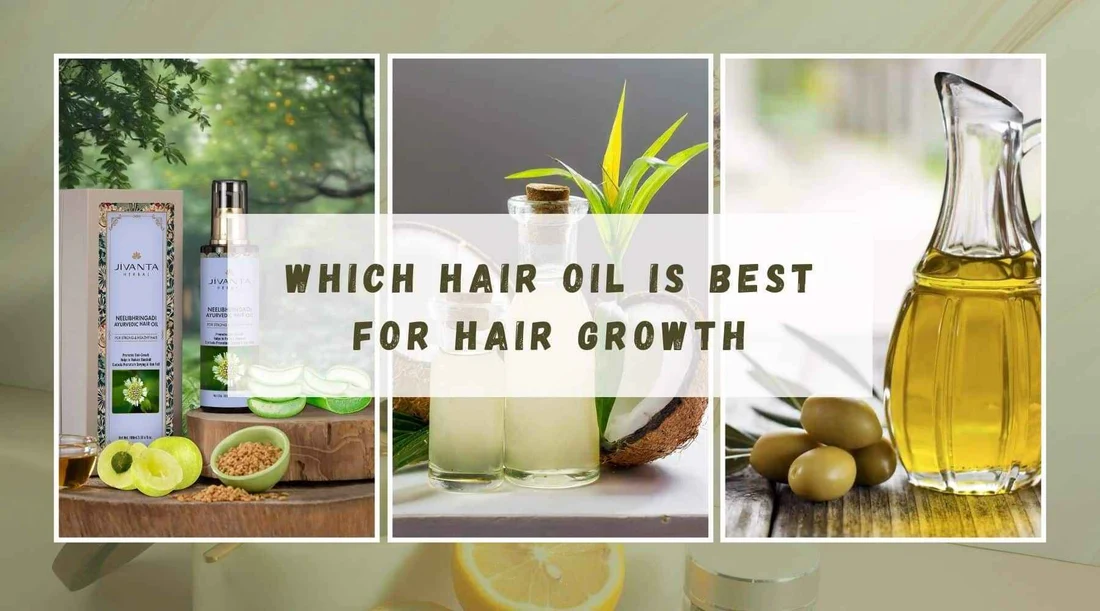

Healthy hair doesn’t always come from pricey shampoos, salon visits, or a ten-step routine. Sometimes a little extra attention to your scalp and ends is all it takes. People have been using natural hair oils for generations, and for good reason: they soften dry strands, cut down friction, and leave hair feeling smoother and easier to handle. If your hair feels rough after washing, gets dry in winter, or has taken a beating from heat styling, the right oil can be a really useful addition to your routine.
That said, picking an oil isn’t as simple as grabbing the most popular bottle off the shelf. Coconut, rosemary, castor, almond, and argan oil all behave differently. Some are better for conditioning, some are popular for scalp massage, and some mainly help dry hair look better. Your hair type, scalp condition, and daily habits matter too. In this guide, we’ll go through the best natural hair oils for growth and nourishment in 2026, how to use them properly, and what to think about before adding one to your routine.
Why Are Natural Hair Oils Important for Hair Care?

Natural oils help hold in moisture, soften rough hair, and protect your strands from everyday wear and tear. Washing, brushing, sun, pollution, and heat styling can all leave hair dry and hard to manage. A good oil reduces friction between strands, which is a big help if you deal with tangles, frizz, or breakage while combing.
Many people also love oils for scalp massage. A gentle massage feels relaxing and helps spread the oil evenly. Some oils also contain fatty acids and other compounds that help condition hair. One honest note: no natural oil can guarantee faster hair growth or fix every cause of hair loss. The real benefit of most hair oils is better hair condition and less damage, which can make your hair look fuller and healthier.
Best Natural Hair Oils for Hair Growth and Nourishment in 2026
Different oils suit different needs. Rather than chasing every trending ingredient, pick the one that matches what your hair actually needs.
1. Coconut Oil for Stronger and Softer Hair

Coconut oil is probably the most familiar name in natural hair care. Many people apply it before shampooing because it helps condition hair and reduces protein loss during washing. It contains lauric acid, a fatty acid that penetrates the hair shaft better than many other oils, which makes it a good pick if your hair is dry, rough, or damaged. It conditions dry, rough strands, makes hair feel softer and smoother, and reduces friction while combing.
To use it, warm a small amount between your palms and apply it mainly to the lengths and ends. Leave it on for about 30 minutes, then wash.
2. Rosemary Oil for Scalp Care
Rosemary oil has become a favorite for scalp massage and hair growth support. Some research suggests it may help with certain types of hair loss, but the evidence is still limited, so don’t think of it as a guaranteed fix for thinning hair. It fits easily into a scalp massage routine, has antioxidant properties, may support hair growth in some people, and adds variety to your scalp care. Also, rosemary essential oil is very concentrated, so never put it on your scalp undiluted.
To use it, mix a few drops of rosemary essential oil into a carrier oil like coconut or jojoba. Do a patch test first, and stop using it if you notice any irritation.

3. Castor Oil for Dry and Brittle Hair

Castor oil is thick and heavy, which is why people reach for it when they want deep conditioning, especially for dry ends. It’s widely promoted for hair growth, but there isn’t enough reliable scientific evidence to say it directly makes hair grow. What it can do is make hair feel smoother and less dry. It also adds a glossy look, softens rough ends, and blends well with lighter carrier oils.
Because it’s so thick, mix a small amount with coconut or almond oil. Apply it to dry lengths and wash out thoroughly.
4. Almond Oil for Soft and Shiny Hair
If you don’t like the heavy feel of thicker oils, almond oil is a nice lightweight option. It contains vitamin E and fatty acids that help condition hair, and if your hair looks dull or feels rough after shampooing, it’s worth a try. It softens dry hair, adds shine to dull strands, makes hair easier to manage, and works well as a pre-wash treatment.
To use it, apply a little to the mid-lengths and ends, and leave it on for 20–30 minutes before shampooing.

5. Argan Oil for Frizzy and Damaged Hair

You’ll often find argan oil in serums, conditioners, and leave-in treatments. It’s light in texture and great for conditioning. If your hair gets frizzy after drying or looks untidy by midday, a few drops can smooth things down nicely. It helps tame frizz, leaves a smooth, shiny finish, conditions dry ends, and improves the look of damaged hair.
To use it, rub one or two drops between your palms and glide them over the ends of slightly damp or dry hair. Go easy near the roots.
6. Amla Oil for Traditional Hair Nourishment
Amla oil has a long history in traditional Indian hair care and is commonly used for scalp massage and pre-wash oiling. Many people choose it because it’s a familiar, plant-based ingredient they grew up with. It helps condition hair, fits well into a traditional hair care routine, improves the feel of dry strands, and makes hair easier to manage. Just keep in mind that ingredients vary from brand to brand. Some products blend amla extract with mineral oil or other carrier oils, so always read the label.
If the product says it’s safe for the scalp, apply a small amount to your scalp and lengths. Massage gently and wash after 30–45 minutes.

Which Hair Oil Is Best for Your Hair Type?
No single oil works for everyone. What feels great on thick, dry hair can feel way too heavy on fine or naturally oily hair. Here’s a quick guide:
| Hair Type | Suitable Hair Oil |
|---|---|
| Dry hair | Coconut oil |
| Frizzy hair | Argan oil |
| Fine hair | Almond or jojoba oil |
| Thick hair | Coconut or castor oil blends |
| Dull hair | Almond oil |
| Dry hair ends | Argan oil |
| Traditional hair care | Amla oil |
If your scalp gets oily quickly, skip heavy oils at the roots and focus on the dry lengths instead.
How to Apply Hair Oil for Better Results
More oil doesn’t mean more nourishment. A simple method usually works best. Start by choosing an oil that suits your hair texture and scalp, and begin with a small amount, because for medium-length hair a little goes a long way. Spread it with your fingertips without tugging your hair, and if the oil is meant for the scalp, massage softly for a few minutes. Focus on the ends, since they are usually the driest and need the most conditioning. Finally, wash it out well with a mild shampoo to remove the excess without scrubbing your scalp hard.
You don’t have to leave oil on overnight every time. A 20–30 minute pre-wash treatment is enough for many people.
Common Hair Oiling Mistakes to Avoid
Even a great oil can feel like a hassle if it’s used the wrong way. A few small tweaks make a big difference. Using too much oil makes it hard to wash out and can leave hair greasy, while massaging too hard can irritate your scalp and cause breakage. Mixing too many ingredients doesn’t help either, since blending lots of oils and essentials doesn’t guarantee better results, and applying essential oils directly can irritate the skin. Heavy oiling may not suit certain scalp conditions, so don’t ignore scalp problems. Lastly, don’t expect overnight growth: healthy-looking hair comes from consistent care, and no oil can promise new growth.
Natural Hair Oil Routine for Everyday Nourishment
You don’t need a complicated weekly schedule. Just start with something that fits your life. For example, if your hair is dry, use coconut oil once a week as a pre-shampoo treatment. On other days, put a drop or two of argan oil on the ends when they feel rough.
If you enjoy scalp massage, use a suitable carrier oil now and then, and keep the amount light, especially if your scalp gets oily fast. If you have sensitive skin, patch-test any new product before using it regularly. And if you notice persistent itching, redness, scaling, or unusual hair loss, see a dermatologist instead of relying only on home remedies.
How to Choose the Best Natural Hair Oil in 2026
Before you buy, take a minute to check the ingredients and product details. Look for products that clearly list their ingredients, intended use, and directions. If you want a natural product, check whether it’s pure oil or contains herbal extracts, fragrance, or other additives.
Texture matters too. Lightweight oils are usually easier on fine hair, while thicker oils suit people who want richer conditioning. Price is a factor, but a costly bottle doesn’t always mean better results. Pick something that feels comfortable on your hair and fits your budget.
FAQ’s
1. Which natural oil is best for hair growth?
Rosemary oil is a popular option for scalp care, while coconut oil helps protect and condition hair.
2. Is coconut oil good for hair growth?
Coconut oil helps reduce protein loss and keeps hair conditioned, but it does not directly guarantee faster growth.
3. Can rosemary oil help with hair growth?
Some research suggests rosemary oil may support hair growth, but more evidence is needed.
4. Is castor oil good for hair?
Castor oil helps condition dry hair and improve its appearance, although its hair growth benefits are not scientifically proven.
5. How often should I oil my hair?
For many people, once or twice a week is enough, depending on their hair type and scalp condition.




Leave a Reply