

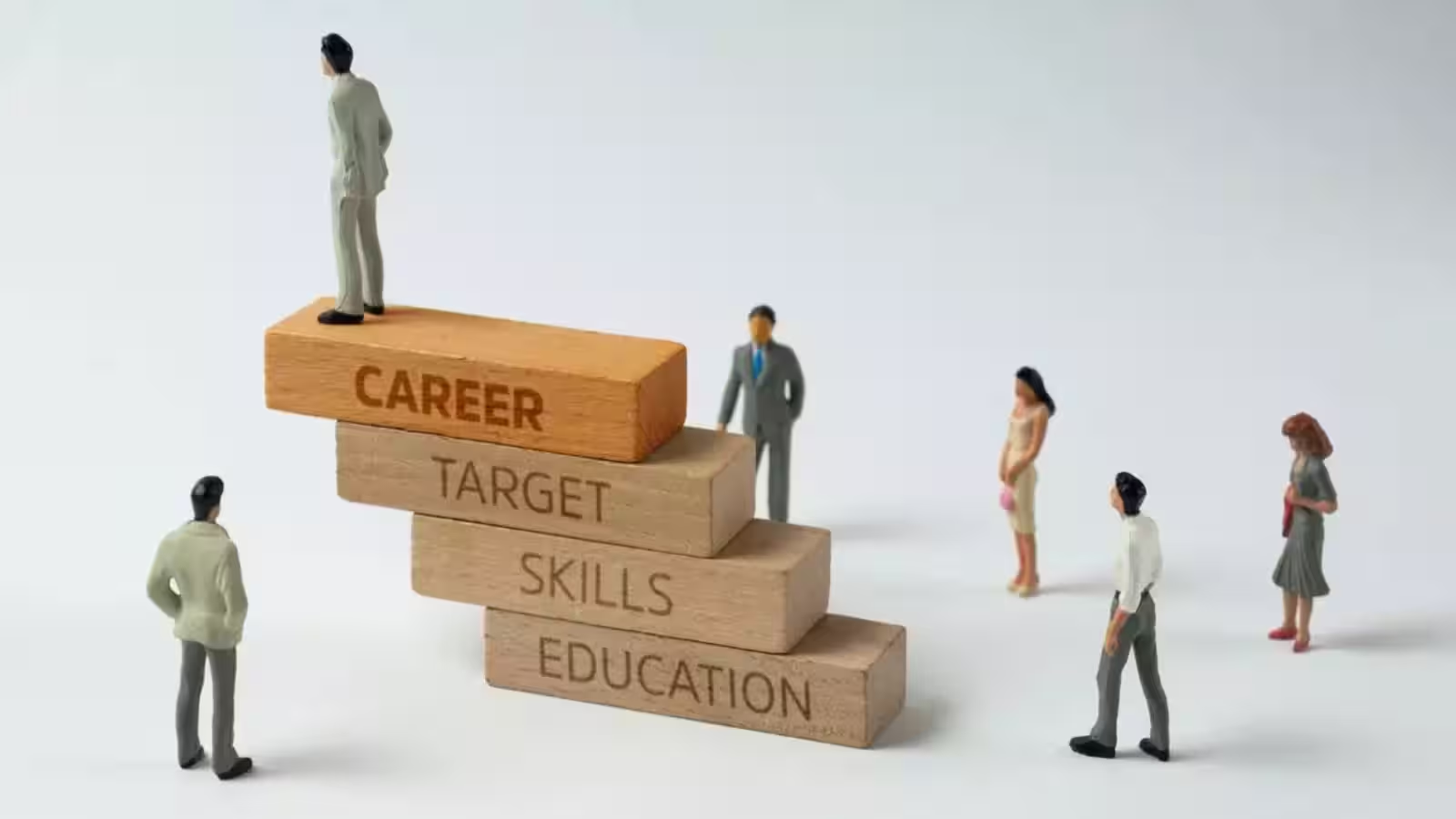

Education and career development are closely connected. The right education can open doors to new opportunities, while practical skills and experience help people grow professionally. In 2026, students and job seekers face a changing world of work shaped by technology, new industries, digital learning, and evolving employer expectations.
Choosing a career path can feel confusing, especially when there are many courses, job roles, and skill options to explore. Some people want to enter the workforce quickly, while others plan to continue studying or change careers. Whatever your goal, having a clear plan can help you make informed decisions.
This guide shares practical career and education tips for 2026, including choosing the right course, developing valuable skills, preparing for job applications, and building a strong professional future.
Why Career and Education Planning Matters

Career and education planning helps you understand your interests, strengths, and long-term goals. Instead of making decisions based only on trends or other people’s expectations, you can choose a path that suits your abilities and aspirations.
A thoughtful plan can help you:
- Identify suitable courses and career options
- Develop skills that employers value
- Prepare for interviews and job applications
- Manage education and training costs
- Set realistic short-term and long-term goals
- Build confidence in professional decisions
Planning does not mean you must decide your entire future at once. Your interests and goals may change as you gain experience. The important thing is to keep learning and reviewing your progress.
Best Career and Education Tips for Success in 2026
1. Understand Your Interests and Strengths

Before selecting a course or applying for a job, take time to understand what you enjoy and what you do well. Your interests, skills, values, and preferred working environment can help you identify suitable career directions.
For example, someone who enjoys writing and communication may explore content creation, journalism, marketing, or public relations. A person interested in numbers and problem-solving may consider finance, data analysis, or technology.
Ask yourself:
- Which subjects do I enjoy learning?
- What activities come naturally to me?
- Do I prefer working independently or with a team?
- What type of work environment suits me?
- What skills would I like to develop?
You can also speak with teachers, mentors, career counselors, or professionals working in fields that interest you.
2. Choose the Right Course or Education Path
Choosing a course is an important decision because it can influence your future opportunities. However, the most popular course is not always the best choice for every student.
Consider the course curriculum, eligibility requirements, practical learning opportunities, duration, fees, and possible career paths.
| Education Option | Suitable For | Potential Benefit |
|---|---|---|
| Degree programs | Students seeking structured education | Academic foundation and qualifications |
| Diploma courses | Learners focused on a specific field | Practical and specialized learning |
| Online courses | Students and working professionals | Flexible learning |
| Certification programs | People developing specific skills | Focused skill validation |
| Apprenticeships | Learners seeking workplace experience | Practical training |
| Vocational education | Students interested in hands-on careers | Job-related technical skills |
Before enrolling, check the institution’s credibility and whether the qualification is recognized where required. Review the syllabus rather than choosing a course only because of its name or advertising.
3. Develop Skills That Employers Value
Education provides a foundation, but practical skills can help you apply what you have learned. Employers often look for candidates who can communicate clearly, solve problems, work with others, and adapt to new situations.
Some useful skill areas include:
- Communication and writing
- Critical thinking and problem-solving
- Digital literacy
- Teamwork and collaboration
- Time management
- Research and analytical skills
- Creativity and adaptability
The skills required will vary by profession. For example, a marketing role may require communication, content, and analytics skills, while a technical role may require programming, testing, or specialized software knowledge.
Choose skills that align with your target career and practice them through projects, assignments, internships, or volunteer work.
4. Learn Digital and AI Skills

Digital knowledge is useful across many industries. Even jobs that are not directly related to technology may require employees to use digital platforms, manage information, or communicate online.
AI tools can also support tasks such as brainstorming, summarizing, research assistance, and drafting. Learning how to use these tools responsibly can help you work more efficiently.
Practical ways to build digital skills:
- Learn commonly used software in your field
- Practice spreadsheets and presentation tools
- Explore relevant AI applications
- Understand basic online safety and data privacy
- Create small projects using digital tools
- Review and verify AI-generated information
AI should support your learning rather than replace it. Understanding the subject and checking the accuracy of information remain important.
5. Gain Practical Experience
Practical experience helps you understand how knowledge is applied in real situations. It can also help you develop confidence and identify areas where you need improvement.
Students and beginners can gain experience through internships, projects, part-time work, volunteering, or industry-related activities.
| Experience Type | What You Can Learn |
|---|---|
| Internship | Workplace practices and professional skills |
| Personal project | Practical application of knowledge |
| Volunteer work | Communication and teamwork |
| Part-time job | Responsibility and time management |
| Apprenticeship | Hands-on industry training |
| Student club | Leadership and collaboration |
For example, someone interested in digital marketing can create a sample campaign, write blog posts, analyze basic website data, or help a local organization with its online presence.
Practical work can also provide examples to discuss during interviews.
6. Build a Strong Resume and Professional Profile
A resume introduces your qualifications, skills, and experience to employers. A clear and well-organized resume can help recruiters understand your background quickly.
For students and fresh graduates, a resume may include:
- Contact information
- Education and qualifications
- Relevant skills
- Internships or work experience
- Projects and achievements
- Certifications
- Relevant extracurricular activities
Keep the information accurate and relevant to the job. Avoid adding skills you cannot demonstrate.
A professional online profile can also support your job search. Platforms such as LinkedIn allow users to present their experience, connect with professionals, and explore career opportunities.
7. Prepare for Job Interviews

Interview preparation helps you communicate your abilities and understand whether a role is suitable for you.
Before an interview, research the employer, review the job description, and prepare examples of your skills or experiences.
Common interview questions include:
- Tell me about yourself.
- Why are you interested in this role?
- What are your strengths?
- What is a challenge you have handled?
- What skills do you want to improve?
Use specific examples when answering questions. If you are a fresher, you can discuss projects, academic activities, internships, or volunteer experiences.
Practice speaking clearly, but avoid memorizing every answer word for word. A natural and honest response is often more effective.
8. Explore Different Career Opportunities
A career path is not always a straight line. New roles emerge, industries change, and people may discover different interests through experience.
Explore career options by researching job descriptions, speaking with professionals, attending career events, or completing introductory courses.
| Career Area | Example Roles | Useful Skills |
|---|---|---|
| Technology | Developer, IT support, data analyst | Digital and analytical skills |
| Marketing | Content writer, SEO specialist, marketer | Communication and creativity |
| Business | Operations assistant, business analyst | Organization and problem-solving |
| Education | Teacher, tutor, learning assistant | Communication and subject knowledge |
| Design | Graphic designer, UI designer | Creativity and design software |
| Finance | Accountant, finance assistant | Numeracy and attention to detail |
| Healthcare | Healthcare support and qualified professional roles | Relevant training and care skills |
Career requirements vary. Some professions require specific degrees, licenses, or formal training. Always verify eligibility before pursuing a role.
9. Improve Time Management and Study Habits
Managing time effectively can help students balance learning, work, and personal responsibilities.
A practical routine does not need to be complicated. Start by identifying your priorities and setting realistic goals for each day.
Helpful study and planning habits:
- Create a weekly study schedule
- Break large tasks into smaller steps
- Set deadlines for assignments
- Take regular breaks
- Reduce distractions during focused work
- Review progress at the end of the week
Digital calendars, task managers, and note-taking applications can help organize schedules. However, the most important factor is using a system consistently.
10. Continue Learning Throughout Your Career

Learning does not end after graduation. New technologies, tools, and work practices can change the requirements of different professions.
Continuing education can help you update your knowledge, explore new responsibilities, or prepare for a career transition.
You can continue learning through:
- Online courses
- Professional certifications
- Workshops and seminars
- Industry publications
- Mentorship
- Practical projects
- Professional communities
Choose learning opportunities that align with your goals. You do not need to collect certificates without a clear purpose. Focus on knowledge and skills you can apply.
Career Planning Checklist for Students and Job Seekers
Use this checklist to organize your next steps.
- Identify your interests and strengths
- Research career options
- Compare relevant courses and qualifications
- Set short-term and long-term goals
- Develop skills related to your chosen field
- Gain practical experience
- Prepare a clear resume
- Build a professional profile
- Practice interview questions
- Review your progress regularly
You can complete these steps gradually. Career planning is an ongoing process, not a one-time activity.
Common Career and Education Mistakes to Avoid

Making career decisions can be challenging, but some common mistakes can be avoided with research and preparation.
Choosing a Career Only for Its Popularity
A field may be popular, but it may not match your interests or strengths. Explore the actual work involved before making a decision.
Ignoring Practical Skills
Academic qualifications are important, but many roles also require practical abilities. Look for opportunities to apply your knowledge.
Applying Without Research
Before applying for a job, review the responsibilities, eligibility requirements, and employer information. Tailor your resume to the role.
Depending Only on Certificates
Certificates can support your profile, but they do not automatically demonstrate expertise. Projects and practical experience can help show what you can do.
Avoiding Networking
Professional connections can provide advice, mentorship, and information about opportunities. Networking does not need to be formal; it can begin with conversations with teachers, classmates, colleagues, or professionals.
Giving Up After Rejection
Job applications and interviews are learning experiences. Review feedback when available, improve your skills, and continue applying for suitable roles.
Frequently Asked Questions
1. What are the best career tips for students in 2026?
Students should explore their interests, develop practical skills, gain experience through projects or internships, and research career options before choosing a path.
2. Which skills are useful for career growth?
Communication, problem-solving, digital literacy, teamwork, time management, and adaptability are useful across many professions. Specific roles may require additional technical skills.
3. How can freshers improve their chances of getting a job?
Freshers can improve their chances by preparing a clear resume, building relevant projects, gaining internship experience, practicing interviews, and applying for suitable roles.
4. Is online education useful for career development?
Online education can provide flexible access to learning and skill development. Check the course quality, curriculum, and recognition before enrolling.
5. How do I choose the right career?
Consider your interests, strengths, values, and preferred work environment. Research different roles and speak with people who have experience in the fields you are considering.



Leave a Reply