

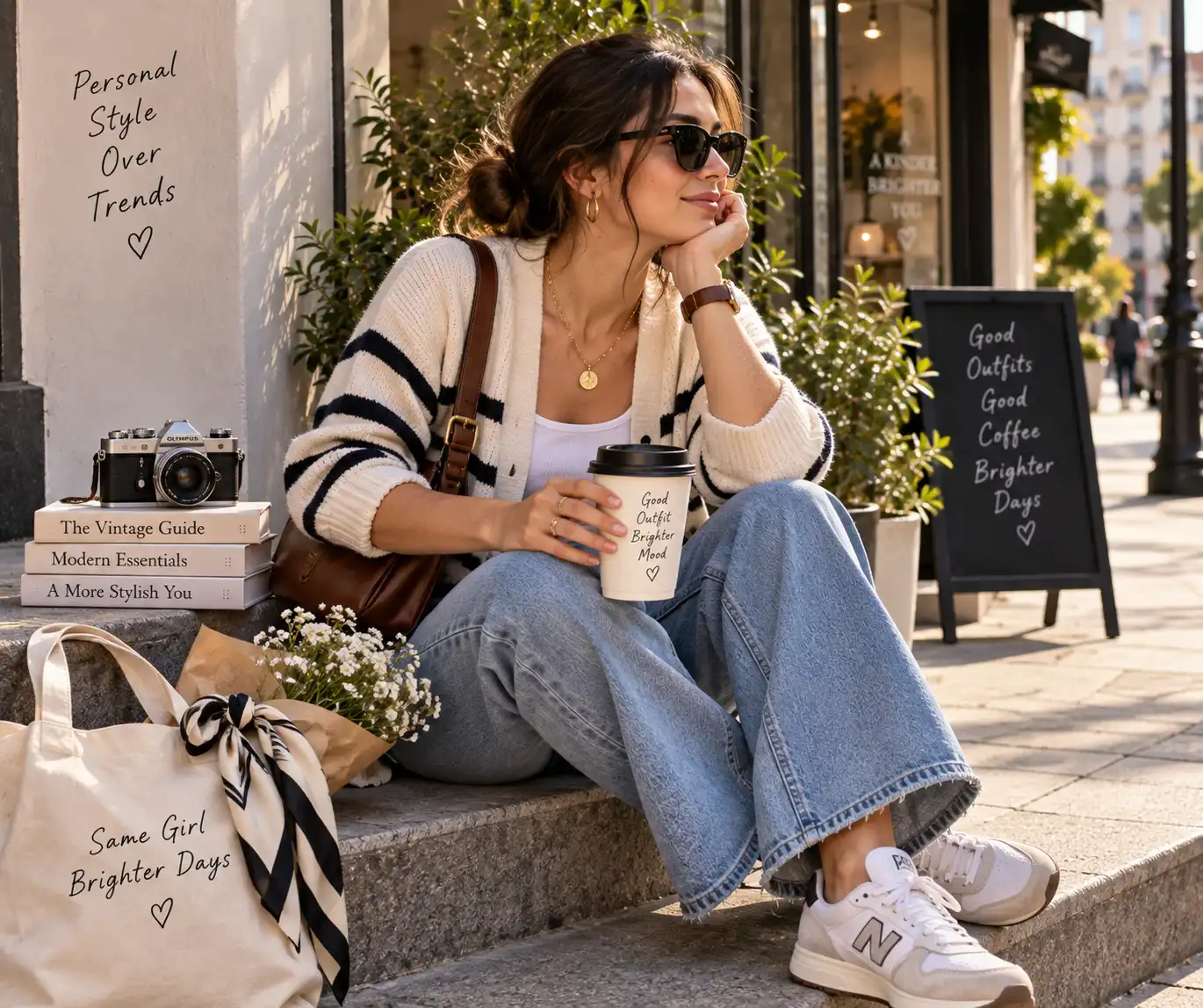

Lifestyle is more than the way people dress, eat, work, or spend their free time. It reflects daily habits, personal choices, values, and the way individuals create a meaningful life. In 2026, modern lifestyles are becoming increasingly focused on balance, comfort, wellness, personal development, and smarter everyday decisions. People are exploring ways to improve their routines without making life unnecessarily complicated.
From building healthy habits and creating comfortable homes to embracing technology and prioritizing mental well-being, lifestyle trends are evolving to support a more fulfilling everyday experience. The goal is no longer simply to stay busy or follow popular trends. Instead, people are learning to make choices that match their needs, interests, and personal goals.
Whether someone wants to improve their productivity, refresh their wardrobe, develop new hobbies, or create a peaceful living environment, small lifestyle changes can make a meaningful difference.
What Defines a Modern Lifestyle in 2026?

A modern lifestyle combines practical routines, personal well-being, creativity, and conscious choices. It encourages individuals to focus on what genuinely improves their everyday experiences rather than following every trend.
Several lifestyle priorities are becoming increasingly important:
- Wellness and self-care: Making time for physical health, emotional balance, and relaxation.
- Personal growth: Developing new skills, exploring interests, and building confidence.
- Smart living: Using technology to simplify everyday tasks and manage responsibilities.
- Comfort and convenience: Creating routines, spaces, and habits that make daily life easier.
- Mindful consumption: Choosing products and experiences carefully instead of purchasing impulsively.
- Work-life balance: Maintaining boundaries between professional responsibilities and personal time.
- Sustainable choices: Reducing waste and adopting practical environmentally conscious habits.
These priorities demonstrate how lifestyle improvement can be achieved through thoughtful decisions rather than dramatic changes.
Lifestyle Trends That Are Shaping Everyday Life

1. Wellness-Focused Daily Routines
Wellness has become an important part of modern lifestyle planning. People are increasingly interested in creating routines that support their energy, comfort, and overall well-being. A wellness-focused lifestyle does not require expensive memberships, complicated schedules, or luxury products. Simple habits can provide a useful foundation.
For example, maintaining a consistent sleep schedule, taking regular movement breaks, preparing balanced meals, and spending time outdoors can help create a more structured day. Personal care routines also offer opportunities to slow down and focus on individual needs.
Important wellness pointers:
- Start the day with a manageable morning routine.
- Include regular physical activity that suits your ability and preferences.
- Make time for rest and relaxation.
- Maintain a consistent sleep routine.
- Avoid turning self-care into another source of pressure.
- Choose habits that are realistic enough to maintain.
The most effective wellness routine is one that fits naturally into everyday life.
2. Personal Style and Fashion Choices

Fashion remains an important part of lifestyle because it allows people to express their personality and creativity. In 2026, personal style can be approached through comfort, versatility, and individual preferences rather than simply following seasonal trends.
Building a practical wardrobe with clothing that works for different occasions can make daily outfit planning easier. Neutral basics, comfortable footwear, versatile layers, and accessories can help create a variety of looks without requiring a completely new wardrobe.
| Fashion Element | Lifestyle Benefit |
|---|---|
| Versatile clothing | Makes outfit planning easier |
| Comfortable footwear | Supports everyday activities |
| Basic wardrobe essentials | Creates multiple outfit combinations |
| Personal accessories | Adds individuality to outfits |
| Seasonal layers | Helps adapt to changing weather |
| Thoughtful shopping | Encourages more intentional purchases |
Personal style is not defined by the number of clothes someone owns. It is about selecting pieces that feel comfortable, reflect personality, and suit everyday activities.
3. Smart Living and Technology
Technology is becoming deeply integrated into everyday lifestyle experiences. Smartphones, smart home devices, digital calendars, productivity applications, and online services can help people manage their routines more efficiently.
Smart living focuses on using technology where it genuinely provides convenience. For example, digital reminders can help organize schedules, budgeting applications can track expenses, and smart lighting can make home environments easier to manage.
| Technology | Everyday Use |
|---|---|
| Digital calendars | Organizing appointments and activities |
| Smart lighting | Managing home lighting conveniently |
| Fitness trackers | Monitoring activity and movement |
| Budgeting applications | Managing spending and savings |
| Productivity tools | Planning tasks and projects |
| Digital shopping platforms | Comparing products and prices |
However, technology should support a balanced lifestyle rather than create constant distractions. Setting screen-time boundaries, reducing unnecessary notifications, and taking digital breaks can help maintain a healthier relationship with devices.
4. Mindful Living and Personal Growth

Mindful living encourages people to pay attention to their choices, surroundings, and daily experiences. It can help individuals develop a more intentional approach to time, habits, and personal priorities.
Personal growth also plays an important role in lifestyle development. Learning a new language, improving communication skills, reading regularly, exploring creative hobbies, or developing professional knowledge can make everyday life more engaging.
Practical ways to encourage personal growth:
- Read books or informative articles regularly.
- Learn a skill through online courses.
- Set achievable personal goals.
- Reflect on daily accomplishments.
- Explore creative activities such as photography, writing, or painting.
- Make time for meaningful conversations.
- Celebrate progress instead of focusing only on perfection.
Personal development does not need to happen quickly. Consistent small steps can gradually create positive changes.
5. Comfortable and Functional Home Spaces
The home environment has a significant influence on everyday comfort. A well-organized living space can make routine activities easier while creating a welcoming atmosphere.
Modern home lifestyle ideas often focus on functionality, simplicity, natural elements, and personal touches. A comfortable home does not necessarily require expensive furniture or a complete renovation.
Small improvements such as organizing storage, adding suitable lighting, keeping frequently used items accessible, and creating a relaxing corner can make a space more practical.
| Home Improvement Idea | Purpose |
|---|---|
| Decluttering | Creates a more organized environment |
| Soft lighting | Adds warmth and comfort |
| Indoor plants | Introduces natural elements |
| Functional storage | Makes belongings easier to manage |
| Comfortable seating | Supports relaxation |
| Personal decorations | Reflects individual taste |
A home should be designed around the people who use it. Practicality, comfort, and personal preferences matter more than copying a particular interior design trend.
Lifestyle Habits for a More Balanced Day

A balanced lifestyle is built through everyday habits. The following routine ideas can help individuals create structure while leaving room for flexibility.
Morning Habits
A thoughtful morning routine can provide a positive start to the day. Instead of immediately checking social media, individuals can begin with simple activities such as drinking water, stretching, planning their schedule, or enjoying a quiet breakfast.
Daytime Habits
During the day, balancing work, responsibilities, and personal needs is important. Taking short breaks, organizing tasks, maintaining hydration, and avoiding unnecessary multitasking can make daily routines more manageable.
Evening Habits
Evenings offer an opportunity to relax and prepare for the following day. Reading, organizing personal belongings, reducing screen distractions, and following a consistent bedtime routine can support a more peaceful transition into rest.
| Time of Day | Lifestyle Habit | Potential Benefit |
|---|---|---|
| Morning | Plan daily priorities | Better organization |
| Morning | Stretch or move gently | Encourages physical activity |
| Afternoon | Take short breaks | Helps manage fatigue |
| Evening | Spend time on hobbies | Supports personal enjoyment |
| Evening | Prepare for tomorrow | Reduces morning stress |
| Night | Follow a sleep routine | Supports consistent rest |
These routines should be adapted to individual schedules, responsibilities, and preferences.
Lifestyle, Food, and Everyday Nutrition

Food is an essential part of lifestyle because it influences daily routines, cultural experiences, and personal enjoyment. Developing practical eating habits can make everyday life easier while supporting overall well-being.
Home cooking, meal planning, trying new recipes, and enjoying seasonal ingredients are useful ways to make food a more engaging part of daily life. People can also explore different cuisines and cooking techniques to bring variety to their meals.
Useful food and lifestyle pointers:
- Plan meals according to your schedule.
- Include a variety of foods in everyday meals.
- Keep convenient ingredients available for busy days.
- Explore new recipes and cooking styles.
- Reduce avoidable food waste.
- Enjoy meals without making food choices unnecessarily stressful.
Food preferences and nutritional needs differ from person to person. A practical lifestyle approach should be flexible and appropriate for individual circumstances.
Travel, Hobbies, and Leisure Experiences
A fulfilling lifestyle also includes time for enjoyment, exploration, and recreation. Travel can introduce people to new cultures, landscapes, traditions, and experiences. Even short local outings can provide opportunities to explore something different.
Hobbies offer another valuable way to spend personal time. Activities such as gardening, photography, music, reading, cooking, sports, and crafting can provide enjoyment beyond work and daily responsibilities.
| Lifestyle Activity | Experience It Can Offer |
|---|---|
| Weekend travel | Exploration and new perspectives |
| Reading | Knowledge and imagination |
| Gardening | Connection with nature |
| Photography | Creativity and observation |
| Cooking | Skill development and enjoyment |
| Fitness activities | Movement and recreation |
| Arts and crafts | Creative expression |
The value of leisure is not measured by how expensive an experience is. Simple activities that bring enjoyment can become meaningful parts of everyday life.
Sustainable Lifestyle Choices

Sustainability is becoming an important consideration in lifestyle decisions. Individuals can adopt practical habits that reduce unnecessary waste and encourage more responsible consumption.
Sustainable living does not require changing every aspect of life at once. Small, realistic decisions can be easier to maintain over time.
Everyday sustainable lifestyle ideas:
- Carry reusable bags and water bottles when practical.
- Repair useful items instead of replacing them immediately.
- Choose durable products when they meet your needs.
- Donate or responsibly reuse items you no longer need.
- Reduce food waste through meal planning.
- Consider energy-efficient appliances and lighting.
- Avoid unnecessary purchases.
Mindful consumption can also support better financial decisions. Purchasing items based on usefulness, quality, and personal needs may help prevent clutter and waste.
How to Build a Lifestyle That Matches Your Goals

There is no single lifestyle that works for everyone. Students, professionals, families, and individuals with different responsibilities may have different priorities. The best approach is to create habits that reflect personal goals and available time.
Step 1: Identify Your Priorities
Think about the areas of life you want to improve. These might include wellness, organization, fashion, personal development, relationships, or financial habits.
Step 2: Start With Small Changes
Choose one or two realistic habits instead of changing your entire routine at once. Small improvements can be easier to maintain.
Step 3: Create a Flexible Routine
Use routines as helpful guides, not strict rules. Allow space for unexpected responsibilities and personal preferences.
Step 4: Review Your Progress
Check whether your habits are making everyday life more convenient, enjoyable, or balanced. Adjust anything that feels unrealistic.
Step 5: Focus on Consistency
Lifestyle improvement is an ongoing process. Consistent effort and flexibility are more valuable than trying to achieve perfection.
Lifestyle in 2026 is about creating a meaningful balance between comfort, wellness, personal growth, technology, and everyday enjoyment. Modern lifestyle trends encourage people to make thoughtful choices that support their individual needs rather than follow every popular idea.
From developing practical routines and exploring personal style to organizing home spaces, enjoying hobbies, and making sustainable decisions, small changes can contribute to a more fulfilling everyday experience.
A better lifestyle does not have to be complicated or expensive. It begins with understanding what matters most, building realistic habits, and making daily choices that create greater comfort, confidence, and satisfaction.
Frequently Asked Questions (FAQs)
1. What does lifestyle mean?
Lifestyle refers to the habits, routines, activities, values, and choices that shape how a person lives.
2. What are the popular lifestyle trends in 2026?
Popular lifestyle themes include wellness, mindful living, smart technology, personal growth, comfortable fashion, and sustainable habits.
3. How can I improve my lifestyle?
Start with realistic changes such as organizing your daily routine, prioritizing rest, exploring hobbies, and managing your time effectively.
4. Why is a balanced lifestyle important?
A balanced lifestyle can help people manage responsibilities while making time for personal well-being, relationships, and enjoyable activities.
5. Can lifestyle changes be affordable?
Yes. Many improvements, such as decluttering, walking, reading, planning meals, and developing simple routines, can be done at little or no cost.

Leave a Reply