

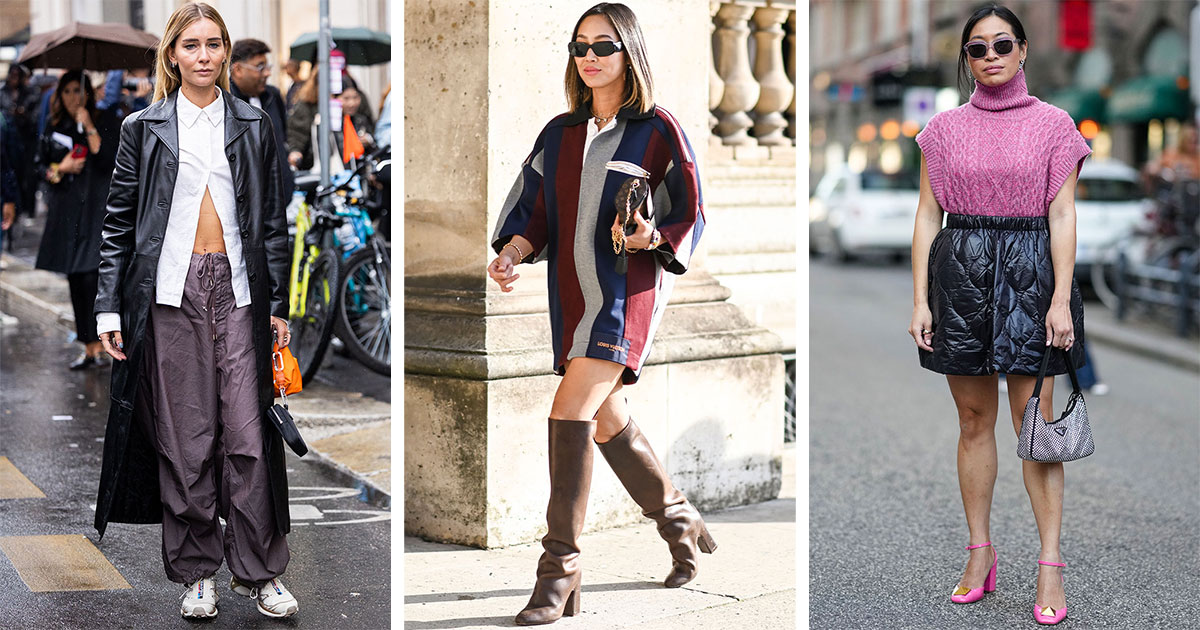

Fashion is more than simply choosing what to wear. It is a way to express your personality, share your creativity and feel confident in your everyday life. From comfortable casual outfits and elegant occasion wear to modern street style and timeless wardrobe essentials, fashion gives everyone an opportunity to create a personal look.Trends change with every season, but great style does not always depend on wearing the newest designs. The best outfits are often the ones that make you feel comfortable, suit your lifestyle and reflect who you are. Whether you enjoy experimenting with colours, prefer simple outfits or love keeping up with fashion trends, developing your own style can make getting dressed more enjoyable.Today, fashion inspiration is everywhere. Social media, celebrities, fashion designers and street-style creators introduce fresh ideas every day. However, you do not need an expensive wardrobe to look stylish. Understanding colours, choosing suitable clothing and combining basic pieces creatively can help you build attractive outfits without unnecessary spending.This guide explores popular fashion trends, outfit ideas, wardrobe essentials, styling tips and practical ways to create a look that feels uniquely yours.
What Is Fashion and Why Does Personal Style Matter?

Fashion refers to clothing, footwear, accessories, hairstyles and other elements that influence personal appearance. It reflects changing trends, cultural influences, creativity and individual preferences.
Personal style is what makes your fashion choices different from everyone else’s. Some people prefer classic clothing, while others enjoy bold patterns, colourful outfits or experimental designs.
Fashion can be meaningful because it allows you to:
- Express your personality: Choose outfits that reflect your interests and preferences.
- Build confidence: Wearing clothes that feel comfortable and suitable can help you feel more self-assured.
- Explore creativity: Experiment with colours, textures, patterns and accessories.
- Celebrate culture: Traditional clothing connects fashion with heritage and identity.
- Adapt to different occasions: Choose suitable outfits for work, travel, celebrations and everyday activities.
You do not have to follow every trend to look fashionable. A strong personal style develops when you understand what works for you.
Latest Fashion Trends to Explore
Fashion trends offer fresh inspiration, but not every trend needs to become part of your wardrobe. Choose ideas that match your personality, comfort and budget.
Here are some popular fashion directions worth exploring:
1. Minimalist Fashion
Minimalist fashion focuses on clean designs, simple silhouettes and versatile colours. Neutral shades such as black, white, beige, grey and navy are commonly used.
A white shirt, tailored trousers, a simple dress or a structured jacket can create an elegant look without too much effort.
2. Streetwear Style
Streetwear combines comfort with a relaxed, expressive appearance. Oversized T-shirts, hoodies, sneakers, cargo trousers and graphic prints are common elements.
It is a great option for people who enjoy casual outfits with a modern edge.
3. Vintage-Inspired Fashion
Vintage-inspired outfits bring elements from earlier fashion decades into modern wardrobes. Wide-leg trousers, denim jackets, retro prints and classic accessories can create a distinctive appearance.
Mixing one vintage-inspired piece with contemporary clothing can make the outfit feel balanced.
4. Sustainable Fashion
Sustainable fashion encourages thoughtful shopping, longer-lasting clothing and reduced textile waste. Buying fewer but more versatile pieces, repairing garments and exploring second-hand fashion are useful ways to adopt this approach.
5. Comfortable Everyday Fashion
Comfort-focused fashion combines practical clothing with attractive designs. Relaxed trousers, breathable fabrics, simple tops, comfortable shoes and versatile layers can work well for everyday activities.
Essential Wardrobe Pieces Everyone Can Style
A well-planned wardrobe does not need to contain hundreds of clothes. A collection of versatile essentials can help you create many different outfits.
| Wardrobe Essential | Styling Idea | Suitable Occasion |
|---|---|---|
| White shirt | Pair with jeans or tailored trousers | Casual and formal |
| Classic jeans | Combine with T-shirts or shirts | Everyday wear |
| Black trousers | Style with a blouse or jacket | Office and events |
| Basic T-shirts | Layer under jackets or wear alone | Casual outings |
| Neutral jacket | Add over dresses or simple outfits | Smart casual |
| Comfortable sneakers | Pair with jeans, dresses or casual trousers | Everyday activities |
| Simple dress | Add accessories for a complete look | Parties and outings |
| Traditional outfit | Pair with suitable footwear and jewellery | Festivals and celebrations |
The secret is versatility. Choose pieces that can be combined with several other items instead of buying clothes that only work with one outfit.
How to Choose Colours That Work Together

Colour plays an important role in creating attractive outfits. The right combination can make your clothing look coordinated and help you develop a consistent personal style.
Here are a few simple colour combinations to try:
- Black and white: A timeless combination suitable for many occasions.
- Beige and brown: Creates a warm, understated appearance.
- Navy and white: A clean combination for casual and smart outfits.
- Pastel shades: Soft pink, lavender, mint and baby blue can create a gentle look.
- Earthy colours: Olive, rust, cream and tan work well for relaxed styling.
- Bright accents: Add a colourful bag, scarf or pair of shoes to a neutral outfit.
You can also use the colour wheel as inspiration. Complementary colours create contrast, while similar shades often produce a more coordinated appearance.
A useful styling tip: Start with one main colour, add a supporting shade and finish with a small accent colour if you want extra interest.
Fashion Outfit Ideas for Different Occasions
The best outfit depends on where you are going, what you will be doing and how comfortable you want to feel.
1. Casual Everyday Outfits
For daily activities, choose simple and comfortable combinations. Jeans with a basic T-shirt, relaxed trousers with a shirt or a casual dress with sneakers can create an effortless look.
Choose breathable fabrics and comfortable footwear if you expect to spend a lot of time outdoors.
2. Office and Professional Wear
Professional outfits should feel comfortable while matching the workplace dress code. Tailored trousers, shirts, blouses, structured jackets and simple dresses are useful options.
Neutral colours can make it easier to combine different pieces. Add minimal accessories for a polished finish.
3. Party and Evening Outfits
For parties, you can experiment with interesting textures, elegant silhouettes and statement accessories. A well-fitted dress, coordinated separates or a stylish shirt with tailored trousers can work beautifully.
Choose clothing that allows you to move comfortably and enjoy the event.
4. Festive and Traditional Fashion
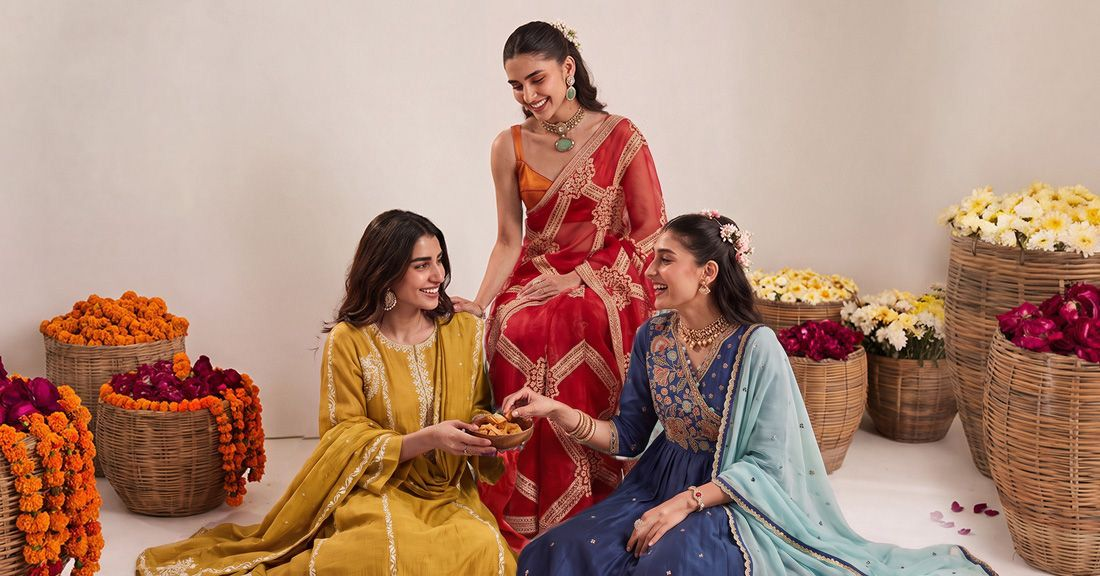
Traditional clothing offers an opportunity to celebrate culture and heritage. Sarees, lehengas, salwar suits, kurtas, sherwanis and other regional garments can be styled for festivals and special occasions.
Accessories, embroidery, fabrics and footwear can help complete the look.
5. Travel-Friendly Fashion
When travelling, prioritise comfortable clothing that can be mixed and matched. Choose lightweight layers, practical footwear and versatile basics.
A small collection of coordinated pieces can help you create several outfits without carrying too much luggage.
How to Accessorise an Outfit
Accessories may be small details, but they can make a noticeable difference to an outfit. The right accessories can add personality, colour and character to even a simple combination.
Popular fashion accessories include:
- Watches: Add a classic or modern finishing touch.
- Bags: Choose styles that match your outfit and practical needs.
- Belts: Help create definition and add visual interest.
- Jewellery: Earrings, necklaces, bracelets and rings can enhance your look.
- Sunglasses: Combine practical eye protection with personal style.
- Scarves: Add colour, texture and variety to simple outfits.
- Footwear: Shoes can influence the overall mood of an outfit.
You do not need to wear every accessory at once. Choose a few pieces that complement your clothing instead of competing with it.
Fashion Tips for Different Seasons

Your wardrobe should adapt to changing weather conditions. Choosing suitable fabrics and layers can help you remain comfortable while maintaining your personal style.
| Season | Clothing Choices | Styling Tips |
|---|---|---|
| Summer | Cotton shirts, linen trousers and light dresses | Choose breathable fabrics and lighter colours |
| Monsoon | Quick-drying clothes and practical footwear | Carry a lightweight rain jacket |
| Winter | Sweaters, coats and warm layers | Combine different textures |
| Spring | Light jackets, shirts and colourful outfits | Experiment with fresh colour combinations |
| Autumn | Layered clothing, jackets and boots | Try earthy tones and versatile layers |
Seasonal dressing is not only about following trends. It is also about choosing clothing that suits the weather and your daily activities.
How to Develop Your Own Fashion Style

Finding your personal style takes time. You may discover that your preferences change as your lifestyle, interests and confidence develop.
Try these practical steps:
1. Find Inspiration
Explore fashion magazines, social media, street-style photographs and clothing collections. Save outfits that appeal to you and look for common elements.
2. Understand What You Enjoy Wearing
Notice which colours, fabrics and silhouettes make you feel comfortable. Your favourite outfits can provide clues about your personal style.
3. Experiment with Different Looks
Try combining clothing in new ways. You might discover that a jacket works well with a casual dress or that traditional accessories complement modern outfits.
4. Focus on Fit
Clothing that fits comfortably can make a big difference to how an outfit looks and feels. Pay attention to shoulder seams, trouser length, waist fit and overall comfort.
5. Avoid Unnecessary Shopping
Before buying something new, think about how it will work with your existing wardrobe. Choose items you can wear on several occasions.
6. Be Yourself
Fashion should be enjoyable, not a competition. You do not need to copy influencers or celebrities to look stylish. Build a wardrobe that reflects your own preferences.
Common Fashion Mistakes to Avoid
Even a beautiful outfit can feel uncomfortable or unbalanced if small details are overlooked.
Some common mistakes include:
- Buying clothes only because they are trending.
- Choosing an outfit that does not suit the occasion.
- Ignoring comfort and fit.
- Wearing too many competing patterns or accessories.
- Shopping without considering your existing wardrobe.
- Following fashion rules that do not match your personality.
- Ignoring garment care instructions.
Remember, good fashion is about balance, comfort and confidence. You can break traditional styling rules if an outfit feels right for you.
Build a Stylish Wardrobe on a Budget
Looking fashionable does not require spending a large amount of money. A thoughtful shopping approach can help you create attractive outfits while managing your budget.
Here are some practical ideas:
- Create a shopping list: Identify the wardrobe pieces you genuinely need.
- Choose versatile clothing: Buy items that work with multiple outfits.
- Compare prices: Check different retailers before purchasing.
- Look for seasonal sales: Shop during discounts without buying unnecessary items.
- Explore second-hand fashion: Pre-loved clothing can offer unique and affordable options.
- Take care of your clothes: Follow washing and storage instructions to extend garment life.
- Repair instead of replacing: Simple repairs can help you enjoy favourite pieces for longer.
A smaller wardrobe with useful, well-maintained clothing can be more practical than a large collection of items you rarely wear.
Sustainable Fashion: Make More Thoughtful Choices

Fashion has an environmental impact, particularly through clothing production, transportation and textile waste. Sustainable fashion encourages consumers to think carefully about what they buy and how long they use it.
You can make more responsible fashion choices by:
- Choosing durable clothing instead of disposable trend-based purchases.
- Supporting brands that provide transparent information about their materials and manufacturing.
- Reusing, repairing and donating clothing in good condition.
- Exploring second-hand and vintage options.
- Washing garments according to care instructions.
- Avoiding unnecessary purchases.
Sustainable style does not mean giving up fashion. It means enjoying clothing while being more thoughtful about its production, use and disposal.
Frequently Asked Questions
1. What are the most important fashion essentials?
Basic T-shirts, classic jeans, neutral shirts, comfortable footwear, versatile trousers and a suitable jacket are useful wardrobe essentials. They can be combined to create outfits for different occasions.
2. How can I look fashionable every day?
Choose well-fitting clothes, coordinate colours, keep your outfits comfortable and add simple accessories. You can create attractive everyday looks without following every fashion trend.
3. How do I find my personal fashion style?
Explore different outfits, save inspiration, experiment with colours and notice which clothing makes you feel confident. Over time, you will identify styles that suit your personality and lifestyle.
4. Can I look stylish on a limited budget?
Yes. Build a versatile wardrobe, compare prices, shop thoughtfully, explore second-hand clothing and take good care of your existing outfits.
5. Why is sustainable fashion important?
Sustainable fashion encourages responsible shopping, longer-lasting clothing and reduced textile waste. It helps consumers make more thoughtful decisions about their wardrobes.



Leave a Reply