

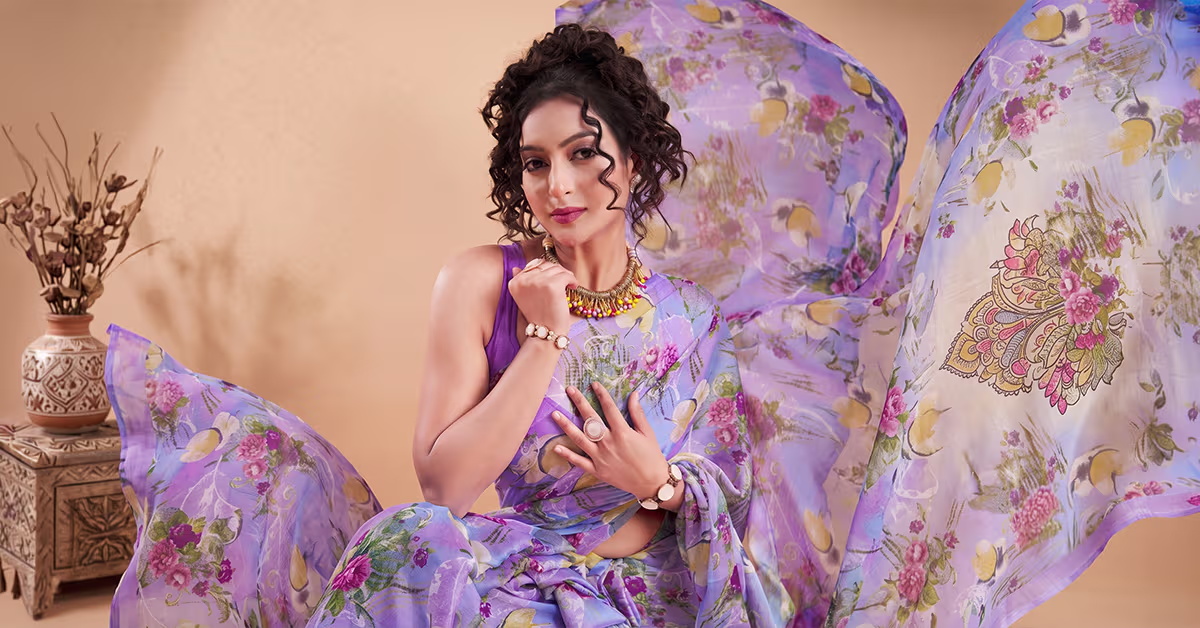

Two Diwalis ago, I wore a plain cotton kurta set in soft mustard to my aunt’s house. Festive It was comfortable and I liked it, but when I walked in, every other woman was in heavy silk and sparkling jewellery. I stood near the snacks table feeling like I had come dressed for a different event. Then my cousin took off her own dupatta, draped a bright bandhani one over my shoulders, clipped a pair of big jhumkas to my ears and pushed me towards the photo corner. In five minutes, the same outfit looked like it belonged at a festival.
I used to believe a festive outfit needed to be heavily embroidered, expensive and brand new. Every shop display and every photo online showed rich fabrics and elaborate designs, so I assumed a simple outfit couldn’t be festive. In reality, the difference between “plain” and “festive” is often the accessories. If you’ve ever opened your wardrobe before a function and felt your clothes were too simple, even though they were perfectly nice, you know exactly what I mean.
So I changed my approach. I started treating my plain outfits as a canvas, built a small collection of accessories that worked with many colours and learned a few simple rules about balance. Now I can turn one kurta into three different looks without buying anything new. This guide shares what worked for me, and none of it needs a stylist or a large jewellery box.
Why Accessories Change Everything

A simple outfit has clean lines and a calm colour, which makes it the perfect base. Accessories add the festive feeling: shine, colour, texture and personality. A single statement piece can draw the eye and make the whole look feel planned. Unlike clothes, accessories are cheaper, easier to store and can be reused across many outfits. They also let you repeat an outfit at different events without anyone noticing, simply by changing what goes with it.
- Accessories give a plain outfit a festive finish
- They are usually cheaper than a new outfit
- One outfit can look different with different accessories
- They are easy to carry, store and reuse
- Small details often make the strongest impression
Start With Your Outfit
Before choosing any accessory, take a good look at what you’re wearing. The outfit tells you what to add and what to leave out. A little thought here prevents a cluttered, mismatched look.
Read the Colour and Fabric
Look at the colour, the fabric and how much detail the outfit already has. A solid, plain outfit can carry bold accessories, while a printed or embroidered one needs a lighter touch. Soft cotton and linen suit light, handcrafted pieces, while silk and satin work well with polished, shinier jewellery. If the outfit is in a pastel shade, gold and pearls look lovely, and a jewel tone often suits oxidised silver or kundan.
- Check how plain or detailed your outfit already is
- Match the weight of the accessories to the fabric
- Choose metals that suit the colour, such as gold with warm shades
- Keep accessories lighter if the outfit is busy
- Try accessories next to the outfit in daylight before deciding
Look at the Neckline and Sleeves
The neckline decides what kind of jewellery works. A high neck or collar looks best with earrings and no necklace, or a long chain. A round or V-neck suits a short necklace or a choker. Sleeves matter too, since bangles and bracelets look different with full, half or sleeveless sleeves. Choose one area to focus on, such as the ears, the neck or the wrists, instead of decorating everything.
- Pair high necklines with statement earrings
- Use short necklaces with round or V-necks
- Add bangles to short or three-quarter sleeves
- Pick one main focus area
- Keep the other areas simple
Choose Jewellery With Balance

The most common mistake is wearing too much. The aim is to look polished, not heavy. A good rule is to choose one star piece and let the rest support it quietly.
Pick One Statement Piece
Decide what will be the highlight of your look. It could be large jhumkas, a bold necklace, a pair of chunky bangles or a maang tikka. Once you’ve chosen, keep the other pieces small and simple. For example, if you’re wearing big earrings, skip the heavy necklace and wear thin bangles. This keeps the look elegant and balanced.
- Choose one main piece to highlight
- Keep other jewellery small and simple
- Don’t wear heavy earrings and a heavy necklace together
- Match the metal tone across your pieces
- Think about comfort, since you’ll wear it for hours
Know Your Jewellery Styles
Different jewellery styles create different moods. Oxidised silver feels earthy and modern, gold-toned pieces feel classic and warm, and kundan or polki-style pieces feel rich and traditional. Pearls give a soft, graceful look, and beaded or handcrafted jewellery adds a casual, artistic touch. Pick a style that matches the occasion, not only the outfit.
Here is a quick guide to match jewellery with the outfit and occasion:
| Jewellery Style | Looks Best With | Good For |
|---|---|---|
| Oxidised silver | Cotton, linen, bright or earthy colours | Casual festive gatherings and daytime pujas |
| Gold-toned pieces | Pastels, mustard, maroon, deep green | Family functions and evening events |
| Kundan or polki-style | Silk, georgette, rich solid colours | Weddings and formal celebrations |
| Pearls | Pastels, white, ivory, soft pink | Elegant, calm and traditional looks |
| Beaded or handmade | Plain cotton and simple kurtas | Relaxed, artistic and daytime events |
| Temple-style pieces | Silk sarees and traditional sets | Pujas and traditional ceremonies |
Use Dupattas, Stoles and Shawls
Often the biggest change comes from what you drape on your shoulders. A dupatta can add colour, texture and movement to a plain outfit without any jewellery at all.
Choose a Dupatta That Adds Something

A plain outfit looks wonderful with a dupatta in a contrasting colour or a rich pattern. Bandhani, block print, banarasi, phulkari, chanderi and embroidered dupattas all add a festive feel. Choose a colour that appears in the outfit or a complementary shade. If your kurta is plain, let the dupatta be the star, and if the dupatta is bold, keep the jewellery light.
- Use a contrasting or richly patterned dupatta on a plain outfit
- Pick a shade that matches or complements the outfit
- Choose fabrics that drape comfortably
- Keep the jewellery lighter if the dupatta is bold
- Reuse one good dupatta with several outfits
Try Different Ways to Drape
How you wear a dupatta changes the whole look. Drape it over one shoulder for a relaxed feel, or pin it neatly on both shoulders for a formal style. A cape-style drape or a belt over a kurta can give a modern touch. In cooler weather, a shawl or stole in a rich fabric adds warmth and elegance. Use safety pins to keep everything in place and avoid constant adjusting.
- Try a one-shoulder drape for an easy look
- Pin it on both shoulders for formal events
- Add a belt to define the waist
- Choose a stole or shawl in winter
- Use safety pins to keep the drape neat
Finish With Bags, Footwear and Small Details
The final touches complete the look. They are often forgotten, but they make a big difference to how finished the outfit feels.


Footwear and Bags That Fit the Occasion
Choose footwear that you can walk and stand in comfortably, since festive days are long. Juttis, mojaris, kolhapuris, flat sandals and low block heels all suit ethnic wear. Pick a colour that matches your accessories or a neutral shade like gold, tan or beige. For a bag, a small potli, a sling or a compact clutch looks neat and keeps your hands free. Avoid carrying a large everyday bag if the occasion is special.
- Choose comfortable footwear you can wear for hours
- Match the shoes to your jewellery or pick a neutral tone
- Carry a small potli or clutch
- Keep essentials like a phone, lip balm and a few safety pins inside
- Avoid breaking in new shoes on the day of the event
Add Small Touches
A few small details can lift the whole look. A bindi that matches your outfit, a hair accessory, a neat bun with flowers or a light fragrance adds polish. Nails matter too, since clean, well-shaped nails in a soft or festive shade finish the look nicely.
- Choose a bindi or tikli that suits your outfit
- Add fresh flowers or a hair clip to your hairstyle
- Keep nails neat and in a matching shade
- Apply a light fragrance on clothes
- Check your outfit in a mirror from all sides
Little Touches That Make It Feel Personal
Once the main pieces are chosen, a few personal touches make your look yours. They don’t cost much, and they make you feel more confident. Think of them as the cherry on top, not a must-do list.
- Wear a piece of jewellery that has a family story
- Pick a colour that makes you feel happy
- Add a small detail that no one else is wearing
- Keep the look comfortable rather than perfect
- Smile, since confidence is the best accessory
Mix, Match and Reuse

One of the best things about accessories is how many looks you can create from a few good pieces. You don’t need a huge collection. Choose a small set that works with many colours, and rotate them.
Build a Small Accessory Kit
A basic kit might include one pair of gold-toned jhumkas, one pair of oxidised earrings, a pearl set, two or three dupattas in different colours, a neutral potli and comfortable juttis. With these, you can style several outfits. Keep them organised in a small box, so you can find them quickly before an event.
- Start with jewellery that works in many colours
- Keep two or three versatile dupattas
- Add one neutral bag and one comfortable pair of shoes
- Store jewellery in separate pouches to avoid tangles
- Add one new piece each festive season
Here is a quick guide to match accessories with different situations:
| Situation | Accessory Idea | Easy Tip |
|---|---|---|
| Morning puja | Light jhumkas, a thin bangle, a simple bindi | Keep it fresh and comfortable |
| Evening Lakshmi Puja | Statement earrings and a bright dupatta | Add warmth with gold-toned pieces |
| Family dinner | Oxidised jewellery and juttis | Choose one bold piece |
| Office festive day | Small studs, a watch and a light stole | Keep the look neat and professional |
| Wedding function | Kundan-style set and a rich dupatta | Pick one statement area and add a potli |
| Casual visits | Beaded jewellery and flat sandals | Focus on comfort and colour |
Care for Your Accessories
A little care keeps your accessories looking good for years. Wipe jewellery with a soft cloth after wearing, and store pieces separately in dry pouches or boxes. Keep fragrance, hairspray and moisturiser away from jewellery, since they can dull or damage it. Wash and iron dupattas as per the label, and store them folded or hung to avoid creases.
- Wipe jewellery with a soft cloth after use
- Store pieces separately in dry pouches
- Apply perfume and makeup before wearing jewellery
- Follow care instructions for dupattas
- Check clasps and hooks before wearing
Avoid Common Mistakes

Even a good look can be spoiled by a few common mistakes. Knowing them helps you avoid them.
- Wearing too many statement pieces at once
- Mixing very different metal tones without a plan
- Choosing heavy jewellery that tires you out
- Ignoring comfort in footwear and dupattas
- Buying accessories only because they’re trending
- Forgetting to check the look in natural light
When to Keep It Minimal
Some days call for a simpler look, and that’s perfectly fine. A pair of small earrings, a neat bindi and comfortable shoes can be enough, especially for daytime events or when you’re busy. Don’t feel pressured to match someone else’s heavy jewellery or a perfectly styled photo. A simple outfit with one thoughtful accessory can look more elegant than a crowded one. The best festivelook isn’t the one with the most shine. It is the one that feels like you, fits the occasion and lets you enjoy the celebration without constantly adjusting what you’re wearing.
FAQs
1. How can I make a simple kurta look festive?
Add one statement piece, like jhumkas or a rich dupatta, and keep the rest simple.
2. How much jewellery should I wear with ethnic wear?
Choose one main piece and keep the others small, so the look stays balanced.
3. Which jewellery suits a plain cotton outfit?
Oxidised silver, beaded or handmade pieces and light gold-toned jewellery work well.
4. What footwear goes with ethnic wear?
Juttis, mojaris, kolhapuris and flat sandals are comfortable and suit most outfits.
5. How can I reuse one outfit for different occasions?
Change the dupatta, jewellery and bag for a fresh look each time.



Leave a Reply