

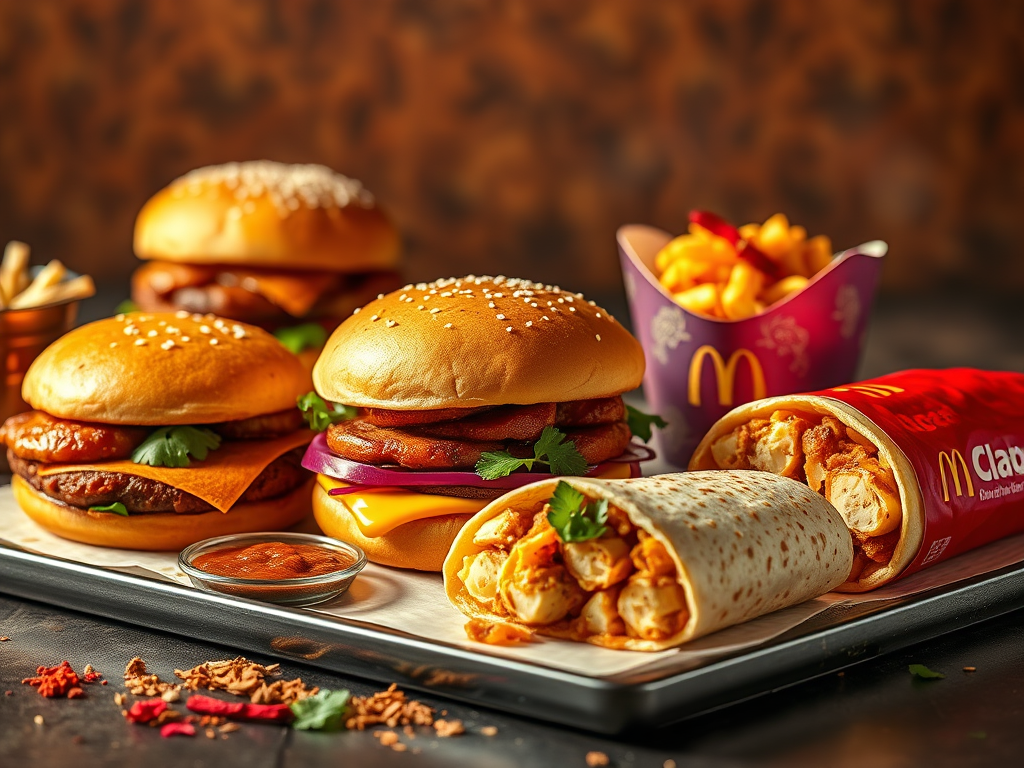


🍟 How McDonald’s Is Localizing Its Menu for Indian Palates
In a country known for its rich culinary diversity, global food giants like McDonald’s face a unique challenge — how do you serve millions with strong cultural and religious food preferences, without losing brand identity? The answer: localization.
McDonald’s has successfully transformed its menu for the Indian market, striking a delicious balance between its global brand appeal and India’s deeply rooted food traditions. From removing beef and pork from its menus to embracing regional spices, the Golden Arches have become a familiar and loved food spot for Indian families.
Let’s explore how McDonald’s has crafted a menu that resonates with India’s ever-evolving yet tradition-bound palate.
🍛 Why Localization Matters in India
A Nation of Culinary Contrasts
India is not a monolith — it’s a mosaic of tastes, dietary restrictions, and cooking styles. North India craves bold, spicy flavors, while the South leans into tangy, coconut-rich dishes. Add to that the vegetarian majority, religious considerations (no beef for Hindus, no pork for Muslims), and a growing vegan movement, and you get one of the world’s most complex food markets.
For global chains, this means one thing: adapt or be irrelevant.
🧠 The Strategy: Think Global, Cook Local
McDonald’s entered India in 1996 with a joint venture approach, partnering with local entities — Connaught Plaza Restaurants (North and East) and Hardcastle Restaurants (West and South). This allowed for a deeper understanding of regional nuances.
The Beef and Pork Exit
One of the most significant moves McDonald’s made early on was removing beef and pork from its menu altogether. This respectful shift opened the doors to a larger customer base while keeping the brand in good cultural standing.

🌯 Indian-Inspired Menu Innovations
1. McAloo Tikki Burger – The Crowd-Puller
A spiced potato patty with peas, mayo, and onions in a bun — this burger is Indian at its core and continues to be one of the best-sellers in India.
2. Chicken Maharaja Mac – The Royal Replacement
While the original Big Mac features beef, its Indian counterpart comes with grilled or fried chicken patties, loaded with lettuce, jalapeños, and cheese. It’s indulgent and made for Indian taste buds.
3. Paneer Wraps and Burgers – The Veg Edge
Paneer (Indian cottage cheese) is a vegetarian favorite across India. McDonald’s smartly added it in the form of grilled wraps and crunchy burgers, a move that speaks directly to the Indian vegetarian audience.
4. Masala Wedges and Spicy Fries – Tikka-Twist Sides
Fries are universal, but throw in Indian masalas, and you’ve got something people can’t resist. These spiced variations keep McDonald’s fries interesting in India.
5. McSpicy Range – The Heat is On
Indians love spice. The McSpicy line includes burgers, chicken, and wraps that bring the heat — and the sales.

🍧 Don’t Forget Dessert: Sweet India
McDonald’s India desserts also get the local treatment. Think Mango McFlurry, Gulab Jamun McSwirl, and Choco Dip Cones. These items rotate seasonally, offering just enough novelty while staying grounded in familiarity
🌱 Catering to Growing Trends: Health, Veganism, and Regional Diversity
As Indian urban centers become more health-conscious, McDonald’s has begun experimenting with:
- Grilled menu options
- Whole wheat buns
- Low-oil cooking techniques
- Vegan-friendly items (in limited markets)
Moreover, to tap deeper into local tastes, McDonald’s has introduced region-specific menus in cities like Chennai, Kolkata, and Ahmedabad — adding spicy sambhar-infused variants or Bengali-style sauces.

💡 Beyond the Menu: Local Sourcing and Indian Kitchens
1. Sourcing Locally
McDonald’s India sources over 95% of its ingredients locally. This includes:
- Buns from local bakeries
- Lettuce and veggies from Indian farms
- Dairy products from Indian cooperatives
This not only ensures freshness and compliance with Indian standards but also helps the brand reduce costs and support local economies.
2. Separate Veg and Non-Veg Kitchens
To respect religious beliefs, McDonald’s India restaurants operate separate kitchens for vegetarian and non-vegetarian items — including different cooking utensils, preparation areas, and staff roles. This move has been instrumental in building trust.
🤖 Tech-Enabled Personalization
With mobile ordering and self-service kiosks, Indian customers can now customize spice levels, switch out sauces, or go completely vegetarian — making the fast-food experience more aligned with personal tastes.
📈 The Payoff: Sales and Sentiment
India is now one of the fastest-growing markets for McDonald’s in Asia. The success comes not from mimicking Western tastes but by embracing Indian culinary culture while delivering on consistency and convenience.
And it’s not just about food. McDonald’s India runs campaigns in multiple languages, celebrates Indian festivals with limited-time menu items, and even curates ad jingles with a desi beat. It’s full-on localization — and it’s working.
🔮 What’s Next for McDonald’s in India
Expect more regional collaborations, fusion dishes (hello, Tandoori Burgers), and health-forward choices. With India’s evolving tastes, McDonald’s will continue to iterate — maybe even dipping into Ayurvedic beverages or millet-based items in the future!
⚠️ Disclaimer
This blog is intended for informational and educational purposes only. The views expressed are personal opinions or general insights, not professional or legal advice. Readers should do their own research or consult relevant professionals before taking action based on this content.
✍️ Caption:
Global brand, desi twist! 🇮🇳🍔 Discover how McDonald’s is tailoring its global menu to cater to Indian cravings — from Maharaja Mac to McAloo Tikki
#McDonaldsIndia #FoodLocalization #GlobalBrands #McAlooTikki #IndianFastFood #MaharajaMac #FusionCuisine #DesiBurgers #IndianFoodie #CulturalAdaptation #FastFoodLovers #IndianStreetFood #McDonaldsLovers #VegBurger #McDonaldsMenuIndia#carrerbook#anslation



Leave a Reply