

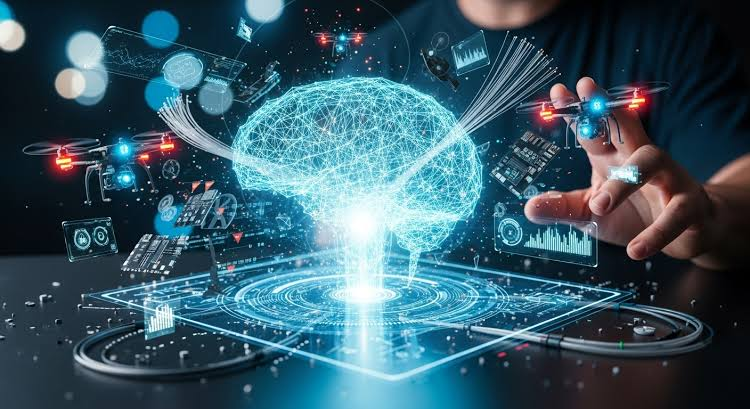

Technology is really just the collection of tools, systems, and handy devices we build to solve everyday problems and make our lives a whole lot easier. It covers everything from the computers and smartphones we check constantly to cloud storage networks, advanced robotics, and the internet itself that keeps us all connected. Sitting inside this big digital world is Artificial Intelligence (AI), which acts like a brain for modern machines. It gives software the ability to copy human thinking—helping computers do things like learn from mistakes, figure out complex problems, look at images, understand natural human speech, and make smart decisions on the fly.
When you mix technology and AI together, you get incredibly smart systems that can read huge amounts of data, take over boring, repetitive chores, and give us faster, more accurate answers than we could ever manage on our own. This shift means data isn’t just sitting in a digital filing cabinet anymore; it’s actively working to help us make better choices in our daily lives and jobs.
How AI Is Seamlessly Changing Everyday Life

Behind the scenes, AI is also doing a lot of the heavy lifting for our safety and convenience. It runs the facial recognition software that unlocks your phone, catches spam emails before they hit your inbox, translates different languages on the spot, and manages smart home thermostats to save energy. By taking care of these small, routine choices automatically, these smart systems save us precious time, reduce daily stress, and make our digital world feel much friendlier and easier to use.
The Evolution of Technology and AI in Business
Businesses everywhere are jumping on the AI bandwagon to get more done, cut down on extra expenses, and make their customers happier. The first line of help for many companies is now an AI-powered chatbot that can answer customer questions instantly, at any hour of the night. At the same time, automated software tools take care of boring, repetitive data entry, freeing up human workers to focus on big-picture projects. By using predictive data analytics, company leaders can look at market trends to make smart, proactive moves before their competitors do.
The rise of easy-to-use cloud platforms has also changed where we work, letting teams collaborate smoothly even if they are scattered across different time zones. Meanwhile, specialized AI tools help marketing teams target the right audience, make financial forecasting way more accurate, and keep budgets on track. Best of all, today’s tech scene allows small startups and local shops to use the exact same high-tech AI tools that used to belong only to massive corporations, leveling the playing field and opening the door for anyone with a good idea.
The Radical Impact on Global Healthcare Systems

The medical world is going through an amazing transformation thanks to AI diagnostic tools, wearable fitness trackers, high-precision robotic surgeons, and virtual doctor visits over the internet. By using advanced image scanning, AI can look at medical photos—like MRIs and X-rays—to spot tiny warning signs and early stages of disease much faster than a human eye ever could.
The Big Picture: When you combine a doctor’s personal touch and experience with a computer’s speed, medicine changes from treating sick people to stopping illness before it even starts.
This powerful combination lets doctors create personalized treatment plans made just for a patient’s specific body and history. For everyday people, this means shorter wait times for test results, far fewer medical mistakes, and a real chance to talk to top-tier specialists through digital health apps, no matter how far away they live from a big hospital.
Revolutionizing the Dynamics of Education
Schools and universities are moving away from old, rigid teaching styles and moving toward fun, interactive learning spaces. The growth of online schools, virtual classrooms, and generative AI tutors means students can learn tough subjects at a speed that feels comfortable for them. These smart systems can tell where a student is struggling in real time and offer extra practice to make sure they truly get it before moving on to the next topic.
Teachers are getting a much-needed break, too. By letting computers handle time-consuming chores like grading quizzes automatically and setting up class schedules, teachers get their time back. They can step away from the grading pile and focus on what they do best: providing real mentorship, encouragement, and personal support to their students, ensuring school stays human even as it gets high-tech.
Engineering Smarter Cities and Intelligent Transportation

Our cities are quickly becoming smart networks designed to make daily travel easier, manage public resources, and keep neighborhoods safe. Cities are now using AI-controlled traffic lights that change their timing based on how many cars are actually on the road, cutting down on annoying traffic jams and reducing smog from idling engines. At the same time, networks of built-in smart sensors keep an eye on the safety of bridges, water pipes, and electricity grids so crews can fix things before they break down.
The world of transportation is changing just as fast with the widespread arrival of electric cars (EVs) and steady improvements in self-driving technology. As self-driving cars move from science fiction into real life, they are learning to talk to each other and to the city roads around them using fast wireless networks. This constant conversation creates a driving ecosystem that reduces human mistakes, speeds up package deliveries, and makes city living a lot cleaner and more enjoyable.
The Reshaping of the Modern Workplace

The office environment is adapting quickly to the help of smart productivity apps and everyday workplace automation. People in all kinds of jobs now use AI helpers to summarize long meeting notes, organize messy calendars, clean up cluttered spreadsheets, write initial drafts of reports, and keep track of team projects. Instead of causing massive job losses, these tools are acting like an extra brain at work.
By letting computers handle boring, repetitive tasks, human workers are finally free to do what they do best: use creative imagination, plan long-term goals, lead teams with empathy, and tackle tricky problems that require a human touch. To stay ahead of the curve, forward-thinking companies are putting a lot of money into digital training programs for their staff, making sure everyone knows how to work side-by-side with AI tools.
Crucial Technological and AI Trends Defining the Era

The tech world today is being shaped by a few major trends that are changing how our digital society functions:
- Generative AI Apps: Tools that can write essays, create beautiful artwork, and build computer code instantly, completely changing creative hobbies and jobs.
- Smart Search Engines: Search tools that actually understand the meaning behind your questions and give you helpful, written-out answers instead of just a list of random website links.
- Smart Robotics: Physical machines that can navigate unpredictable, busy places like shipping warehouses and nursing homes all on their own.
- The Internet of Things (IoT): A massive network of everyday items—like smart fridges and security cameras—embedded with chips to talk to each other over the internet.
- Next-Gen Cloud Networks: Ultra-fast web infrastructure that processes information closer to where you are, making apps load with zero lag.
- Smart Cybersecurity: Automated defense systems that spot, isolate, and stop dangerous hackers and digital threats the second they happen.
- Immersive Virtual Reality: Mixing Augmented Reality (AR) and Virtual Reality (VR) to create interactive digital spaces for job training, teamwork, and gaming.
- Blockchain Ledger Tech: Using decentralized digital ledgers to keep information completely safe and transparent, allowing secure transactions without needing a middleman bank.
- Quantum Computers: A brand-new kind of super-powered computer that uses physics to solve math puzzles that would take a normal computer thousands of years to figure out.
- Eco-Friendly Green Tech: Building energy-saving data centers and clean electronic hardware to make sure our digital progress doesn’t hurt the planet.
Quantifying the Tangible Benefits of Tech and AI Integration

Bringing advanced technology and AI into our world offers some truly wonderful benefits for our daily lives and careers. For individual people, it takes the pain out of boring chores, helps us get more done in less time, and gives everyone access to personalized learning tools and better healthcare. For businesses, it brings incredible day-to-day efficiency, cuts down on costly mistakes, and finds helpful business insights hidden deep inside messy files.
What’s more, AI-powered security guards protect our personal information from online thieves, keeping critical things like power grids and banking apps safe. By making high-tech tools affordable through cheap monthly subscriptions, technology acts as a great equalizer. It gives small, local businesses the power to compete directly with giant global corporations, proving that a good idea and a smart tool are all you need to shake up an industry.
Navigating Challenges and Key Ethical Considerations
Even with all these amazing benefits, the rapid growth of Artificial Intelligence brings some serious real-world problems that we need to fix together. The biggest worries center around our personal data privacy, the rising threat of clever cybercriminals, and the issue of algorithmic bias—which happens when a computer learns unfair habits from old, biased human data. If we don’t fix this, we risk letting computers automate discrimination in places like courtrooms, banks, and job hiring processes.
| The Ethical Problem | The Risk to Society | How We Can Fix It |
| Algorithmic Bias | Unfair treatment in hiring and bank loans | Use diverse data and have real people check the code |
| Data Privacy Risks | Companies tracking your every move online | Pass strict privacy laws and let users lock their data |
| Fake News & Deepfakes | Floods of realistic fake photos and lies | Use digital watermarks to prove what pictures are real |
On top of that, the explosion of fake news and deepfake videos makes it hard to know what to believe online, which can hurt public trust and disrupt fair elections. To protect everyday citizens, governments and tech creators have to work hand-in-hand to make sure AI tools are open, honest, and safe. At the same time, we need to focus on teaching digital common sense to the public, helping everyone learn how to spot the difference between real life and a clever computer trick.
Strategic Blueprints for Future Preparedness

Getting ahead in a world full of automation means committing to learning new things throughout your whole life. For individual workers, keeping your career safe means getting comfortable with basic tech, learning how to use AI assistants to do your job faster, and polishing up your uniquely human strengths like empathy and teamwork. Just waiting around isn’t a safe bet anymore; professionals need to learn to steer their careers using AI as a helper if they want to stay competitive.
For business owners, staying strong means constantly teaching new skills to your team, updating old computer systems, and being ready to change how you make money when new tech comes along. Companies need to build a relaxed, adaptable workplace culture where change is seen as an exciting chance to grow rather than something to fear. The people who combine smart tech adoption with honest, fair business practices will be the ones leading the pack tomorrow.
Technology and Artificial Intelligence are completely rewriting the rules of how we live, work, and interact with each other. From the way doctors treat bad illnesses and teachers share lessons, to how we run our towns and manage businesses, the line between real life and digital helper is disappearing. As this tech journey speeds up, its role in solving massive global problems and making our everyday lives better is only going to get bigger.
Instead of being afraid of these fast changes, we should focus on truly understanding how these new tools work and using them safely. By keeping our eyes open, learning new skills, and welcoming responsible tech improvements, we can easily find our way through this new world. Leaning into this shift lets us make the most of our digital future, helping us build a friendlier, fairer, and happier world for everyone.
FAQs
1. What is the difference between technology and AI?
Technology includes all digital tools and systems, while AI is a branch of technology that enables machines to learn, analyze, and make decisions.
2. How is AI used in everyday life?
AI is used in voice assistants, navigation apps, online shopping, streaming services, smartphones, and smart home devices.
3. Which industries benefit most from AI?
Healthcare, education, finance, retail, manufacturing, transportation, and customer service are among the industries benefiting the most.
4. What are the biggest benefits of technology and AI?
They improve productivity, automate tasks, enhance decision-making, save time, and support innovation.
5. How can I prepare for a technology-driven future?
Learn digital skills, stay updated on AI trends, use modern tools, and continue developing your knowledge as technology evolves.




Leave a Reply