

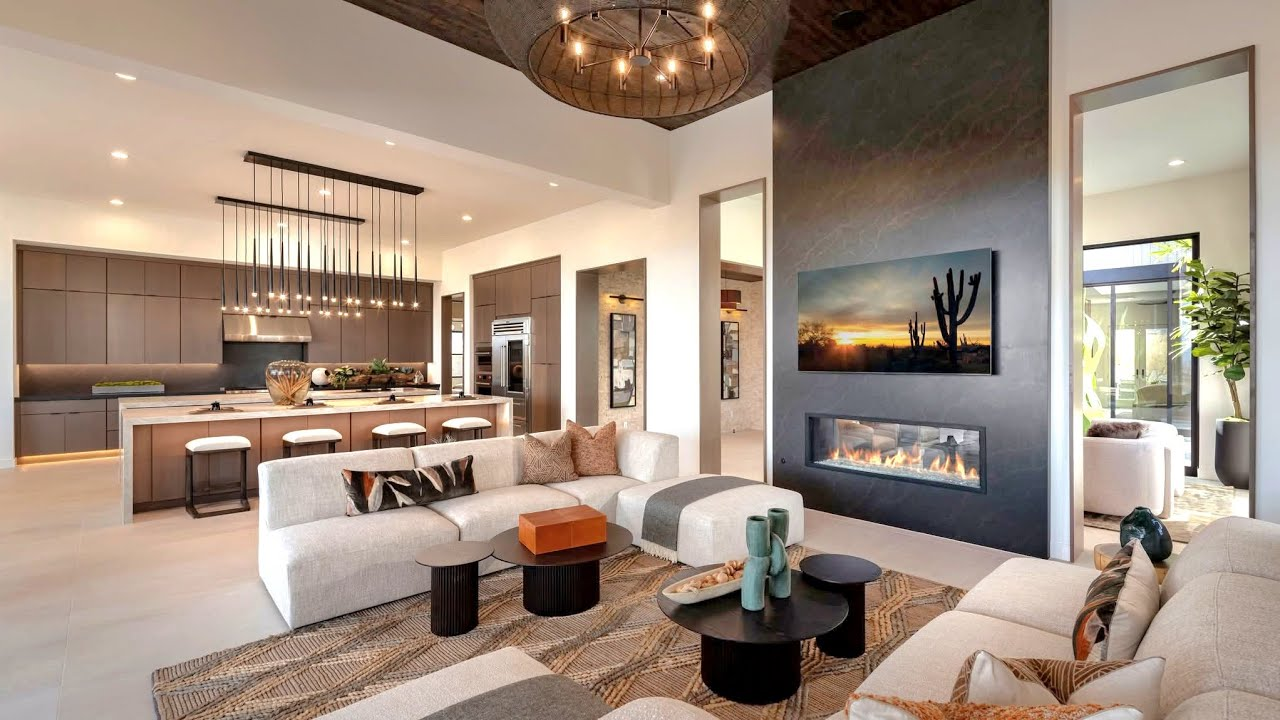

We’ve all experienced that specific, sigh-of-relief moment: you turn the key in the lock, drop your bags on the floor, and instantly Beautiful feel the tension leave your shoulders. That feeling doesn’t come from owning a high-end designer sofa or having a flawless, pristine kitchen straight out of an architecture magazine. It comes from being in a space that actually understands you.
Lately, our homes have been forced to do some serious heavy lifting. They aren’t just places to crash at night anymore; they’re offices, classrooms, weekend bistros, and personal sanctuaries all rolled into one. Trying to make a home look “perfect” under that kind of pressure is a fast track to exhaustion.
The real secret? A beautiful home isn’t a style checkpoint—it’s a feeling. It’s the messy, wonderful balance between functional daily life and personal expression. You don’t need a massive renovation budget to get there; you just need to make choices that serve your real life, not an idealized version of it.
Understanding What Makes a Home Beautiful

Beauty means different things to different people. For some, it is a modern interior with clean lines and neutral colors. For others, it is a warm space filled with family photographs, vintage furniture, and meaningful decorations.
The most beautiful homes are not those that perfectly match magazine covers but those that create a sense of comfort and belonging. A well-designed home reflects the people who live there while making daily routines easier and more enjoyable.
Instead of chasing every interior design trend, focus on creating spaces that feel authentic to your personality. A beautiful home should make you feel relaxed, inspired, and happy every single day.
Ditch the Trends, Find Your Anchor

The fastest way to fall out of love with your living space is to try and replicate someone else’s Instagram feed. Trends move at lightning speed, and if you chase them, you’ll end up with a house that feels like a retail store instead of a home.
- Start with how you live, not how it looks: If you have dogs and kids, a pristine, sharp-edged glass coffee table is going to be a nightmare. Opt for pieces that can take a little love and still look great.
- Create a mental mood board: Before buying anything, figure out your baseline. Do you crave quiet, minimalist spaces that let your brain rest? Or are you energized by vibrant colors, stacked bookshelves, and eclectic artwork?
- Take your time: A home that feels good is built slowly, piece by piece. Don’t rush to fill an empty room in a single weekend.
The Big Two: Light and Color

If you want to completely change the energy of a room without spending a fortune, focus entirely on your lighting and your palette. They are the invisible anchors of interior design.
Natural light is the ultimate mood booster. It makes small apartments feel breathing rooms and dark corners feel welcoming.
- Clear the windows: Swap out heavy, suffocating drapes for sheer, breezy curtains that let daylight filter through.
- The mirror trick: Hang a large mirror directly opposite a window. It acts like a second pane of glass, bouncing natural light into the deeper, darker parts of the room.
When night falls, overhead lighting can feel incredibly harsh—like sitting in an office cubicle. Human writing rules say: avoid the big light. Instead, create a warm atmosphere by layering your light sources.
The 3-Point Light Rule: Every room should have at least three sources of soft light. Combine a floor lamp for height, a small table lamp for cozy corners, and a candle or accent light to keep things feeling intimate and warm.
Color binds a house together. Neutral tones like warm taupes, soft creams, and muted sages create a timeless canvas that allows your life to happen in the foreground. If you love loud, bold colors, don’t paint the whole living room neon—use those shades in targeted bursts like throw blankets, dynamic artwork, or a single painted statement wall.
The Anatomy of Real Comfort
Let’s talk about furniture. A beautiful chair that numbs your legs after ten minutes is bad design, plain and simple. Comfort should never be sacrificed for aesthetics.
Floated Layouts over Wall-Hugging

Most people instinctively push every single piece of furniture flat against the walls, leaving a cold, empty vacuum in the middle of the room. Try pulling your sofa and chairs slightly inward. It immediately creates a more intimate, conversational setup and makes the room feel like a designer actually styled it. Keep your pathways clear—you shouldn’t have to do gymnastics just to walk to the kitchen.
The most memorable homes tell a story about the humans inside them. When everything in a house is brand new and perfectly matched, it lacks a pulse.
Show your miles: Frame the weird sketch you bought on vacation, display your grandmother’s vintage camera, or stack your favorite, dog-eared books on the coffee table.
Edit the noise: Personalization doesn’t mean clutter. Group small objects together in odd numbers (groups of three look best to the human eye) and give them room to breathe on your shelves.
Quick Wins: Room-by-Room Cheat Sheet
You don’t have to tackle the whole house at once. Focus on small, high-impact changes in the spaces you use the most.
| Room | The Main Goal | The Quick Human Fix |
| Living Room | Gathering & Decompressing | Toss a heavy, textured knit blanket over the sofa and add a soft rug to anchor the seating area. |
| Kitchen | Flow & Functionality | Clear the counters of appliances you only use once a week. Put fresh herbs on the windowsill. |
| Bedroom | Deep Rest & Recovery | Switch to 100% cotton or linen sheets, get rid of visible clutter, and banish bright blue digital screens from your bedside table. |
The Low-Cost Secrets: Nature and Order
Two of the most transformative elements in home design are completely free or incredibly cheap: plants and organization.
Bring the Outside In
Plants inject immediate life into a sterile room. Whether it’s a massive, dramatic fiddle-leaf fig or a few hardy little succulents on a desk, greenery breaks up the straight lines of modern furniture. If you don’t have a green thumb, stick some fresh eucalyptus branches in a jar of water—it looks beautiful and smells incredible for weeks.Clutter is the ultimate enemy of a peaceful home. You can have the most beautiful paint job in the world, but if your kitchen counters are buried under junk mail and stray keys, your brain will register chaos.
- Give everything a landing pad: Use a ceramic bowl by the front door for your keys, and keep a woven basket in the living room to quickly throw shoes or toys into at the end of the day.
- The 5-minute reset: Spend five minutes every evening putting things back in their designated spots. Waking up to clear surfaces changes the entire trajectory of your morning.

The Evolving Home
A home shouldn’t look identical in July and December. Just like the seasons change, your indoor spaces should breathe a little differently throughout the year. In the summer, keep things light with bare floors, fresh flowers, and cool linen. When winter hits, lean into the coziness—bring out the heavy wool blankets, light the candles, and embrace richer, moodier textures.
Furthermore, think about sustainability. The greenest item is the one that already exists. Before buying mass-produced, flat-pack furniture, check out local vintage shops or online marketplaces. You’ll find pieces with real character, solid wood construction, and a history that adds depth to your home.

FAQ’S
1. How can I make my home look more beautiful?
Use a balanced color palette, keep spaces organized, and add personal décor.
2. What colors work best for home interiors?
Neutral tones, soft pastels, and warm earth colors create a welcoming look.
3. Why is natural light important in a home?
It makes rooms feel brighter, larger, and more inviting.
4. How do I keep my home clutter-free?
Declutter regularly and use smart storage solutions to stay organized.
5. What is the key to creating a beautiful home?
Combine comfort, functionality, and a style that reflects your personality.




Leave a Reply