

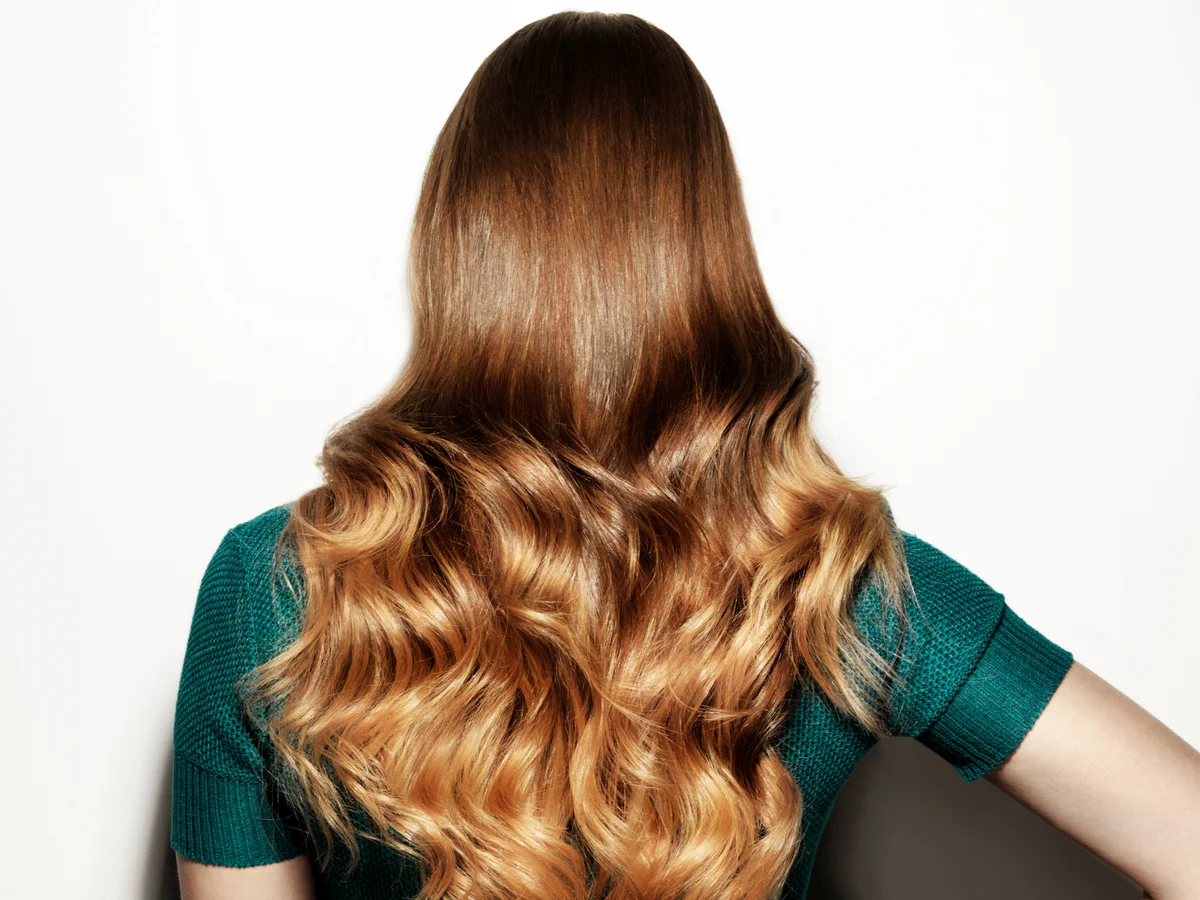

Whether your hair drops in a dead-straight sheet, cascades in lazy waves, springs Hair Care into bouncy curls, or tightly coils into dense, beautiful textures, the underlying biology of healthy hair remains remarkably consistent. The goal isn’t to force your hair into mimicking someone else’s curated internet aesthetic. It’s about maximizing the raw potential of what grows naturally out of your head.
Consider this a straightforward, fluff-free blueprint designed to help you strip down your routine, eliminate the hidden bad habits that are secretly sabotaging your hair, and construct a practical, sustainable regimen that delivers genuine strength, movement, and natural shine from the inside out.
Soil Control: Keep Your Scalp Healthy

We often spend so much time obsessing over the hair we can see that we completely neglect the living matrix beneath the surface. Your hair is structurally dead; the only part of it that is actually alive is the follicle buried deep inside your scalp. If that environment is choked by old product buildup, dead skin cells, excess oils, and pollution, your hair simply cannot grow with maximum vitality.
Caring for your scalp requires a thoughtful balancing act. You want a shampoo that acts as an effective cleanser without completely stripping your skin’s natural moisture barrier. When you wash your hair, intentionally use the soft pads of your fingertips to massage your scalp in slow, circular motions. Avoid using your fingernails, which can create microscopic tears in the skin. This massage isn’t just a relaxing ritual; it actively stimulates blood flow to the hair follicles, delivering a fresh rush of oxygen and nutrients while breaking up stubborn oil deposits. Treat your scalp with the exact same reverence you show the skin on your face.
The fundamental difference between hair types boils down to how sebum—the natural oil produced by your scalp—travels down the hair shaft. Straight hair acts like a smooth slide; the oils move effortlessly from root to tip, which is why it can begin to look greasy within twenty-four hours. Curly and coily textures are more like a winding mountain road; the natural oils hit endless twists and turns, rarely making it all the way down to the ends. This leaves the lengths inherently dry, fragile, and desperate for external hydration. Once you understand this basic physical reality, choosing your products ceases to be a guessing game and becomes a precise science.
The Shower Blueprint: Wash Your Hair the Right Way

Most people treat washing their hair as a mindless chore, stepping under a scorching stream of water and aggressively scrubbing their hair into a tangled, soapy nest. This chaotic approach does massive, irreversible damage to the hair’s structural integrity.
The correction is simple but profound:
- Turn Down the Temperature: Blasting your head with steaming hot water forces the hair cuticle wide open, melting away the essential protective lipids and leaving your strands dry, porous, and highly prone to frizz. Stick strictly to lukewarm water.
- Target the Shampoo: Apply your cleanser primarily to the roots where the oil and sweat actually live. There is absolutely no need to pile your hair on top of your head and scrub the ends; as you rinse the shampoo out, the suds will naturally cascade down the lengths, cleaning them gently without drying them out.
- Protect the Ends: Conversely, your conditioner should be reserved exclusively for the mid-lengths and ends—the oldest, most weathered sections of your hair that desperately need the moisture. Let it sit for a few minutes to deeply penetrate the strand before rinsing it clean.
Quenching the Thirst: Moisturize Your Hair Regularly

Using a reliable conditioner every single time your hair gets wet is your first line of defense, functioning as a sealant to lock in water. For those with chemically treated, naturally dry, or coarse hair, incorporating a rich, restorative hair mask once a week provides an intensive dose of deep hydration that repairs the frayed cuticle. Don’t turn your back on natural oils, either. A few drops of pure argan, jojoba, or coconut oil rubbed between your palms and smoothed over damp ends can work absolute wonders to smooth down the cuticle scale, trap moisture inside, and create an authentic, healthy shine that artificial silicone serums can only ever mimic.
When hair loses its hydration, it loses its elasticity. It becomes brittle, rough to the touch, and snaps under the slightest pressure from a brush or a hair tie. If you are fighting a losing battle against constant frizz, your hair isn’t misbehaving—it is simply thirsty, reaching out into the humid air to pull in any moisture it can find.
One of the most persistent myths in hair care is that if you want your hair to grow long, you must avoid the salon scissors at all costs. This logic backfires beautifully. While hair grows directly from the scalp, its length is preserved or lost at the very bottom.
Dropping the Thermostat: Limit Heat Styling

It is incredibly easy to fall into the trap of relying on flat irons, curling wands, and high-velocity blow dryers to make our hair presentable every morning. But hot tools work by temporarily disrupting the hydrogen bonds inside your hair to warp its shape. When used repeatedly at extreme temperatures, that heat cooks the structural proteins inside the strand, boiling the moisture trapped within the hair shaft and causing microscopic fractures that lead to irreversible splitting.
Whenever you can, give your hair the luxury of a slow, natural air dry.
If you absolutely must use heat to style your hair for a special day, never skip the application of a high-quality heat protectant spray while your strands are still damp. This creates an invisible, defensive thermal shield that slows down the heat conduction, preventing the core of the hair from burning. Drop your tools down from the maximum heat setting to a moderate temperature; your hair will still cooperate, and you won’t be sacrificing its long-term health for a temporary style.
Split ends are a form of structural failure. Once the protective outer cuticle peels away at the tip, the inner core of the hair unravels like a frayed rope. There is not a single product on Earth that can permanently fuse a split end back together. If you leave them alone, that split will continue to tear its way right up the hair shaft toward your roots, causing extensive breakage along the way. Booking a quick, minor trim every few months isn’t cutting away your progress; it is surgically removing the damaged weak points, keeping your hair looking clean, thick, and healthy while protecting your length.
Weathering the Storm: Protect Your Hair from the Environment

Every single day you step outside, your hair enters a battlefield. The blistering heat of UV rays breaks down the protein bonds and bleaches out your natural color; urban air pollution deposits heavy grime and acidic particles onto your scalp; and raw wind creates chaotic tangles that rip when you try to brush them out.
Defending your hair requires a little bit of tactical foresight. If you’re planning to spend a long summer day out in intense sunlight, throw on a wide-brimmed hat to physically block the UV rays from frying your canopy. If you’re diving into a chlorinated pool or the salty ocean, take a moment to rinse your hair with clean tap water first; your porous strands will absorb the fresh water like a sponge, preventing them from soaking up the damaging chemicals and salts. On wildly windy days, twisting long hair into a loose, protective braid or a low bun keeps it consolidated, preventing the massive friction tangles that cause mechanical breakage when you finally sit down to brush it out.
Breaking the Cycle: Avoid Overwashing

One of the hardest habits for people to break is the urge to wash their hair every single time they step into the shower. We have been conditioned to believe that squeaky-clean hair is the gold standard, but that squeak is actually the sound of a completely defenseless hair strand that has been stripped of its natural protective lipids.
Constantly switching products every two weeks because you don’t see immediate, dramatic changes will only shock your scalp, cause product confusion, and reset your progress. True hair health requires stubborn consistency and a healthy dose of patience. Stick to your gentle, minimalist routine, feed your body well, protect your strands from friction, and trust the biological process. If you treat your hair with quiet respect and steady care, it will slowly but surely reward you with genuine strength, fluid movement, and a vibrant, healthy shine that lasts for years.
When you overwash your hair, your scalp panics. Sensing that its natural moisture barrier has been aggressively wiped away, it goes into overdrive, pumping out a frantic excess of sebum to compensate. This lands you in a vicious, frustrating cycle: you wash because your hair feels greasy, and your hair gets greasy because you keep washing it. Break the loop by slowly stretching out the time between your washes. If you currently wash every single day, transition to every other day, then eventually to two or three times a week depending on your workout routine and hair texture. Give your scalp the breathing room to regulate its own oil production and find its natural, healthy equilibrium.
Nighttime Defense: Sleep with Hair Care in Mind

Your hair care routine shouldn’t stop the moment you turn off the bedroom lights. In fact, the eight hours you spend tossing and turning against your bedding can be incredibly destructive to fine or curly hair structures if you aren’t careful.
Standard cotton pillowcases might feel soft to your hands, but under a microscope, cotton fibers are rough and highly absorbent. As you move your head throughout the night, that rough fabric acts like sandpaper, creating intense friction that roughs up the hair cuticle, causes massive tangles, and snaps fragile strands.
Swapping your cotton case for a smooth silk or satin pillowcase allows your hair to glide effortlessly across the surface without catching. Furthermore, never go to bed with a completely soaked head of hair. When your hair is wet, the hydrogen bonds are open, leaving it in its most fragile, easily stretched, and breakable state. Take the time to let it dry naturally, or secure it in a loose, comfortable topknot with a soft silk scrunchie to prevent pulling while you dream.
The Silent Shedder: Manage Stress

You can have a perfect diet, a flawless washing routine, and the finest silk pillowcases in the world, but if your life is a constant pressure cooker of chronic, unmanaged psychological stress, your hair will eventually show it. High stress triggers your body to flood your system with cortisol, a hormone that can abruptly push your hair follicles out of their active growth phase and force them prematurely into a resting state.
A few months after a highly stressful life event, you might suddenly notice significant, alarming shedding when you brush your hair in the morning. This isn’t a permanent condition, but it is a loud, clear distress signal from your body asking for a lifestyle adjustment. Prioritizing deep, restorative sleep, committing to regular physical movement, and building out tiny pockets of your day to disconnect from your screens and practice mindfulness isn’t just essential for your mental health—it is a vital pillar of biological hair preservation.
The absolute biggest mistake people make when trying to fix their hair care routine is expecting a miraculous transformation by next Friday. Hair grows at an average pace of just half an inch per month. The damage you are trying to heal—whether it’s from years of aggressive chemical bleaching, daily heat straightening, or neglect—took months or years to accumulate. It will take time to grow out.
FAQ’S
1. How can I make my hair stronger and healthier?
Follow a consistent hair care routine, eat a balanced diet, and avoid excessive heat styling.
2. How often should I wash my hair?
It depends on your hair type, but most people benefit from washing 2–3 times a week.
3. What causes dull and damaged hair?
Heat styling, chemical treatments, pollution, poor nutrition, and lack of moisture are common causes.
4. Which foods are good for healthy hair growth?
Protein-rich foods, leafy greens, eggs, nuts, fish, and fruits support strong and healthy hair.
5. How can I naturally add shine to my hair?
Use a nourishing conditioner, stay hydrated, protect your hair from heat, and maintain a healthy scalp.




Leave a Reply