

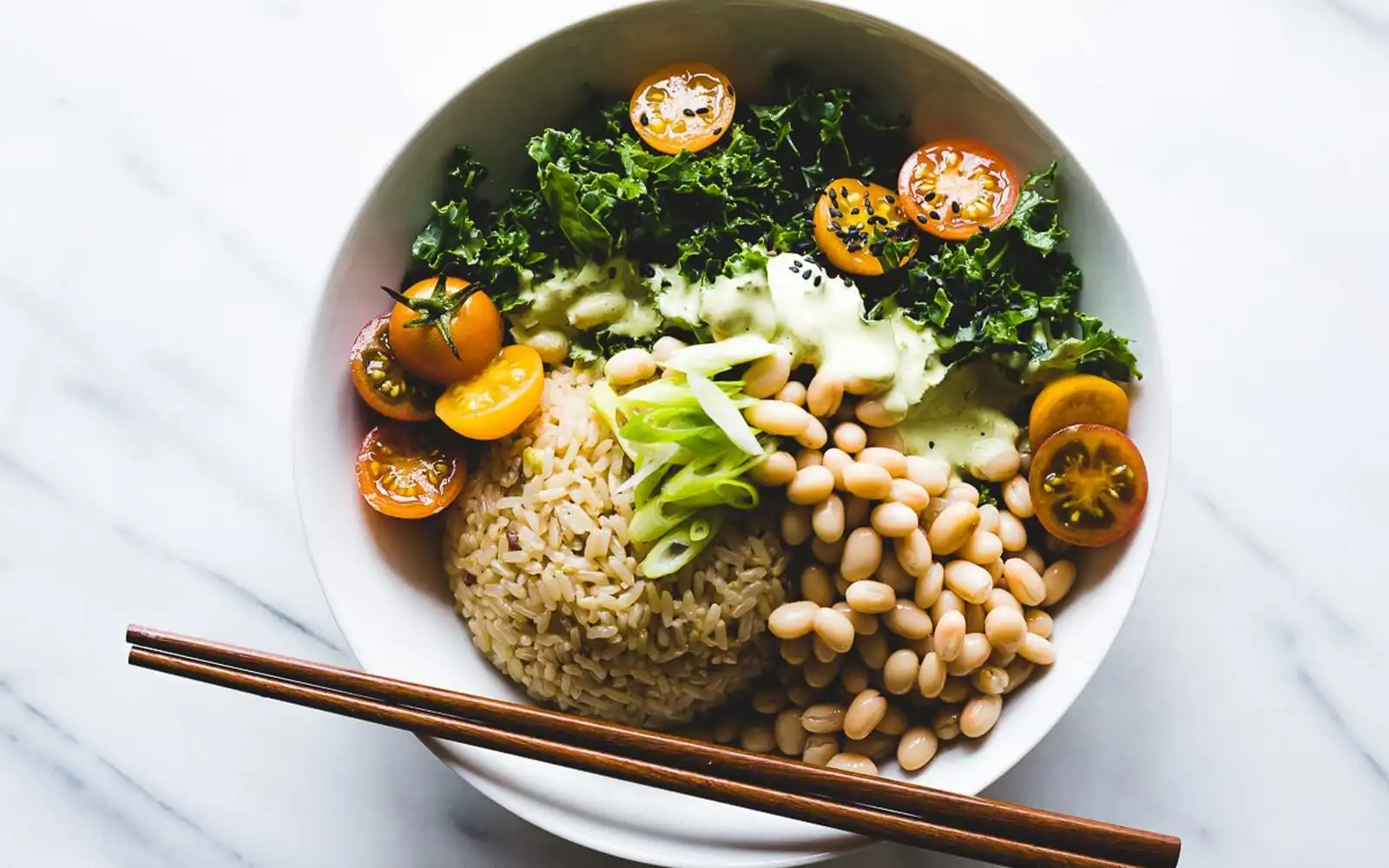

There is something special about cooking with ingredients that are naturally in season. Fruits and vegetables harvested at the right time of year are often fresher, more flavorful, and more affordable than produce shipped from far away. Seasonal cooking isn’t just about creating delicious meals—it also helps you enjoy a wider variety of foods throughout the year while supporting local farmers and reducing food waste.
Whether you’re preparing a light summer salad, a cozy winter soup, or a colorful spring stir-fry, seasonal recipes bring out the best flavors each season has to offer. The good news is that you don’t need to be a professional chef to cook with seasonal ingredients. Simple recipes made with fresh produce can be both healthy and satisfying.
This guide explores why seasonal cooking is worth trying, highlights the best ingredients for each season, and shares easy meal ideas that you can prepare at home.
Why Cook with Seasonal Ingredients?

Seasonal ingredients are typically harvested at their peak, which means they often have better taste, texture, and nutritional value. Fresh produce usually requires fewer preservatives and spends less time in storage or transportation before reaching your kitchen.
Another advantage is cost. When fruits and vegetables are in season, they are generally more abundant, making them more affordable at local markets and grocery stores.
Seasonal cooking also encourages variety. Instead of preparing the same meals every week, you’ll naturally experiment with different ingredients as the seasons change.
Seasonal Ingredients at a Glance
| Season | Fresh Ingredients | Easy Meal Ideas |
|---|---|---|
| Spring | Asparagus, peas, spinach, strawberries, radishes | Spring vegetable pasta, spinach salad, strawberry yogurt parfait |
| Summer | Tomatoes, cucumbers, zucchini, corn, berries, watermelon | Fresh salads, grilled vegetables, fruit smoothies, BBQ dishes |
| Autumn (Fall) | Pumpkin, sweet potatoes, apples, mushrooms, carrots | Pumpkin soup, roasted vegetables, apple crumble |
| Winter | Potatoes, cabbage, broccoli, cauliflower, citrus fruits | Vegetable soup, roasted potatoes, hearty stews, citrus salads |
Using this seasonal guide makes meal planning easier throughout the year.
Fresh Spring Recipes
Spring brings vibrant vegetables and fresh greens that are perfect for lighter meals after winter.
A spinach and strawberry salad topped with walnuts and a light vinaigrette makes an excellent lunch or side dish. The sweetness of fresh strawberries pairs perfectly with leafy greens.
Another simple option is spring vegetable pasta made with asparagus, peas, garlic, olive oil, and Parmesan cheese. It’s quick to prepare and highlights the natural flavors of seasonal vegetables.
Fresh herbs such as parsley, basil, and mint also become widely available during spring and can brighten many recipes.
Summer Meals Full of Flavor


Summer offers an abundance of colorful fruits and vegetables that require very little preparation.
A tomato, cucumber, and mozzarella salad drizzled with olive oil and fresh basil is refreshing on warm days.
Grilled corn, zucchini, bell peppers, and mushrooms make excellent side dishes for outdoor gatherings.
Watermelon paired with feta cheese and mint creates a surprisingly delicious salad that combines sweet and savory flavors.
Fruit smoothies using berries, peaches, mangoes, or bananas provide a healthy breakfast or afternoon snack while helping you stay hydrated.
Summer is also the perfect season for homemade lemonade, iced herbal tea, and fresh fruit desserts.
Cozy Autumn Recipes
As temperatures begin to cool, many people crave warm and comforting meals.
Pumpkin soup remains one of the most popular seasonal recipes. Blended with onions, garlic, vegetable broth, and a touch of cream, it creates a smooth and satisfying meal.
Roasted sweet potatoes seasoned with herbs make an excellent side dish for lunch or dinner.
Apple-based recipes also become popular during autumn. Homemade baked apples, apple oatmeal, or apple crumble provide comforting desserts using seasonal fruit.
Adding mushrooms and root vegetables to pasta, casseroles, and rice dishes creates hearty meals perfect for cooler evenings.
Warm Winter Comfort Food

Winter recipes focus on nourishing ingredients that provide warmth and comfort.
Vegetable soups made with carrots, potatoes, broccoli, cauliflower, onions, and herbs are both healthy and filling.
Hearty stews using beans, lentils, or lean meats combined with seasonal vegetables create complete meals for cold days.
Roasted vegetables caramelize beautifully in the oven and require minimal preparation.
Citrus fruits such as oranges and grapefruits become especially popular during winter, adding freshness and vitamin C to salads and desserts.
Warm oatmeal topped with seasonal fruit and nuts also makes an excellent winter breakfast.
Simple Tips for Seasonal Meal Planning
Planning meals around seasonal produce doesn’t have to be complicated.
Start by visiting local farmers’ markets or checking supermarket promotions to see which fruits and vegetables are currently available.
Build your weekly meals around fresh produce rather than selecting recipes first.
Preparing extra portions allows you to enjoy leftovers for lunch the following day while reducing food waste.
Keeping frozen vegetables and fruits on hand also provides flexibility when certain fresh ingredients are unavailable.
Benefits of Seasonal Cooking
Seasonal cooking offers more than delicious meals.
Fresh produce often contains important vitamins, minerals, fiber, and antioxidants that support overall health.
Eating a variety of seasonal foods helps create a more balanced diet while encouraging healthier eating habits.
Supporting local farmers also benefits your community and reduces the environmental impact associated with long-distance food transportation.
Many people find that cooking with seasonal ingredients inspires creativity in the kitchen, making meal preparation more enjoyable.
Essential Kitchen Tips
Preparing seasonal meals becomes easier with a few simple habits.
Wash fruits and vegetables thoroughly before cooking.
Store produce correctly to maintain freshness for as long as possible.
Use herbs and spices to enhance natural flavors instead of relying heavily on processed sauces.
Investing in quality kitchen basics such as a sharp chef’s knife, cutting board, mixing bowls, and non-stick cookware can also make cooking faster and more enjoyable.
Healthy Seasonal Desserts


Desserts don’t always need to be complicated.
Fresh fruit salad topped with yogurt and honey makes a naturally sweet treat.
Baked pears with cinnamon create a warm dessert during cooler months.
Berry parfaits layered with yogurt and granola offer a refreshing option during spring and summer.
Seasonal fruit crisps prepared with oats provide comforting desserts while highlighting fresh ingredients.
These recipes satisfy sweet cravings while using wholesome ingredients.
Making Seasonal Cooking a Lifestyle
The easiest way to enjoy seasonal recipes is to make them part of your everyday routine.
Instead of relying on the same ingredients all year, embrace the changing seasons and experiment with new recipes.
Invite family members to help prepare meals, visit local produce markets together, and try unfamiliar fruits or vegetables.
Cooking at home also gives you greater control over ingredients, portion sizes, and nutrition.
Over time, seasonal cooking becomes less about following recipes and more about appreciating fresh ingredients and enjoying simple, flavorful meals.
Frequently Asked Questions
1. What are seasonal recipes?
Seasonal recipes use fruits, vegetables, and other ingredients that are naturally harvested during a particular time of year for maximum freshness and flavor.
2. Why is seasonal cooking healthier?
Seasonal produce is often fresher and rich in nutrients, making it an excellent choice for balanced and nutritious meals.
3. Where can I find seasonal ingredients?
You can buy seasonal produce from local farmers’ markets, grocery stores, farm shops, and community-supported agriculture programs.
4. Can seasonal recipes help reduce grocery costs?
Yes. Fruits and vegetables are often more affordable when they are in season because they are widely available and require less transportation and storage.




Leave a Reply