


Food is one of the simplest ways to bring comfort, energy, and enjoyment into everyday life. A good meal does not have to be complicated or expensive. With a few basic ingredients, simple cooking methods, and a little planning, anyone can prepare delicious meals at home.
Eating well is also about balance. Healthy food does not mean giving up everything you enjoy. It means learning how to combine nutritious ingredients with flavors and recipes that make meals satisfying. From quick breakfasts and easy lunches to family dinners and simple snacks, there are countless ways to make everyday eating easier.
Why Simple Food Choices Matter
The food you eat provides your body with energy and nutrients needed for daily activities. A balanced diet can include vegetables, fruits, whole grains, protein-rich foods, and healthy sources of fats.
Simple food choices can make a difference over time. Instead of trying to completely change your eating habits overnight, start with small improvements. Add more vegetables to meals, choose whole foods more often, drink enough water, and reduce heavily processed foods when possible.
Consistency is usually more practical than perfection.
Easy Breakfast Ideas
Breakfast can be quick while still being filling and nutritious. You do not need to prepare an elaborate meal every morning.
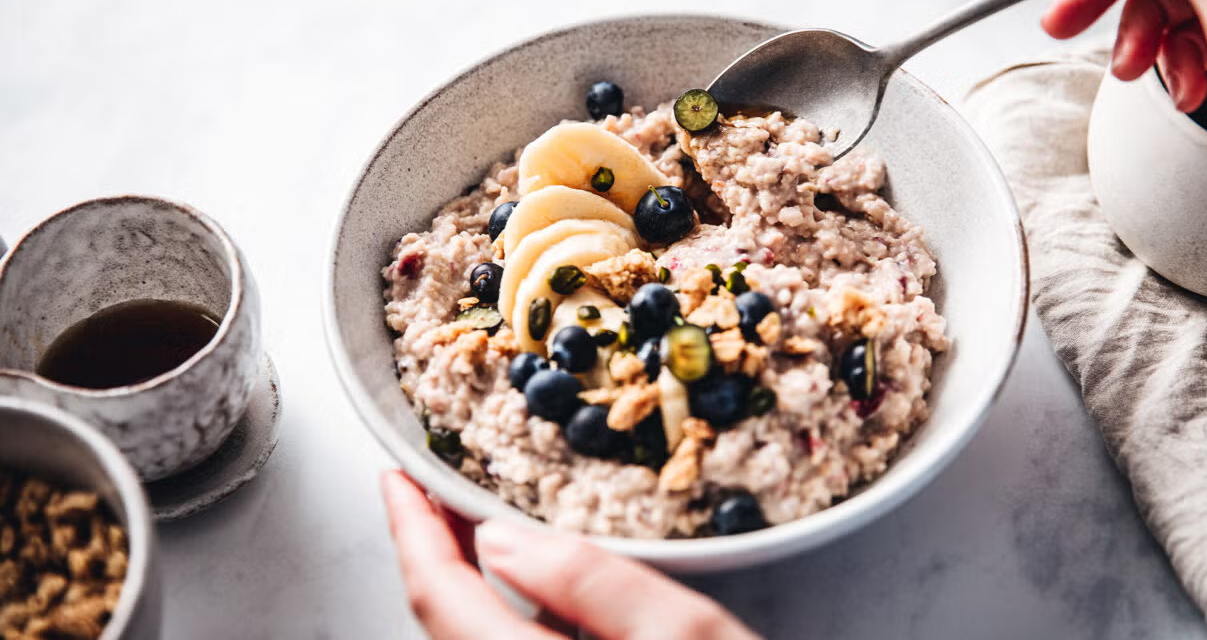
Oatmeal is an easy option that can be customized with fruit, nuts, seeds, yogurt, or spices. Eggs can be prepared in several simple ways and paired with whole-grain toast and vegetables.
For busy mornings, yogurt with fruit and oats can be prepared in just a few minutes. Smoothies are another convenient option when made with ingredients such as fruit, yogurt, milk, oats, or leafy greens.
The key is to include ingredients that provide lasting energy rather than relying mainly on highly sugary foods.
Quick and Healthy Lunch Ideas

Lunch can easily become repetitive, but small changes can keep meals interesting.
A simple grain bowl can combine cooked rice, quinoa, or another grain with vegetables and a protein source. Add a homemade dressing or seasoning for extra flavor.
Salads can also become complete meals when you include more than just leafy greens. Try combining vegetables with beans, lentils, eggs, chicken, fish, tofu, seeds, or whole grains.
Wraps and sandwiches are convenient choices too. Use whole-grain bread or wraps and fill them with vegetables and a protein-rich ingredient.
Preparing lunch at home can also make it easier to control portions and ingredients.
Delicious Dinner Ideas
Dinner is often the meal where people spend the most time cooking, but simple recipes can make the process much easier.
A vegetable stir-fry is a great example. Combine your favorite vegetables with tofu, chicken, eggs, or another protein source and serve with rice or noodles.
Another easy option is a one-pan meal. Combine vegetables, potatoes, and a protein source with herbs and spices, then cook everything together. This reduces both preparation time and cleanup.
Pasta can also be turned into a balanced meal by adding vegetables and a protein source. Tomato-based sauces can provide plenty of flavor without requiring complicated ingredients.
The goal is to create meals that are easy enough to prepare regularly.
Healthy Snack Ideas

Snacks can help fill the gap between meals, especially on busy days.
Fresh fruit is one of the easiest choices. Apples, bananas, oranges, berries, and other seasonal fruits require little preparation.
Nuts and seeds can also be convenient, but portions matter because they are energy-dense. Yogurt, roasted chickpeas, boiled eggs, or vegetables with a simple dip can also make satisfying snacks.
If you enjoy something sweet, try pairing fruit with yogurt or a small amount of nut butter. This can make a snack feel more satisfying while still including nutritious ingredients.
Make Vegetables More Enjoyable
Many people struggle to eat enough vegetables because they find them boring. The solution is often better preparation and seasoning.
Roasting can bring out natural sweetness and create a richer texture. Stir-frying can make vegetables more flavorful and crisp. Steaming works well when you want something quick and light.
You can also add vegetables to foods you already enjoy. Mix spinach into eggs, add vegetables to pasta, include grated carrots in sandwiches, or add chopped vegetables to rice dishes.
Trying different cooking methods can completely change how a vegetable tastes.
Use Herbs and Spices for Better Flavor

Healthy meals do not have to be bland. Herbs and spices can add flavor without relying heavily on sauces or excessive salt.
Garlic, ginger, black pepper, cumin, turmeric, paprika, coriander, basil, oregano, and other seasonings can transform simple ingredients.
Fresh herbs can add brightness to salads, soups, rice dishes, and cooked vegetables. Citrus juice can also provide a fresh flavor boost.
Experimenting with seasonings is one of the easiest ways to make home cooking more enjoyable.
Plan Meals Before You Shop
Meal planning can save time, reduce food waste, and make healthy eating easier.
Before going shopping, decide what you want to prepare for the next few days. Make a simple list of breakfasts, lunches, dinners, and snacks.
Then create a shopping list based on those meals. This can prevent unnecessary purchases and reduce the temptation to rely on takeout when you do not know what to cook.
You do not need to plan every meal perfectly. Even planning three or four dinners per week can make a noticeable difference.
Keep Basic Ingredients at Home
A well-stocked kitchen makes cooking much easier.
Useful basics may include rice, oats, whole-grain products, beans, lentils, canned tomatoes, spices, nuts, seeds, eggs, frozen vegetables, and cooking oils.
Frozen fruits and vegetables can also be practical. They often require little preparation and can be stored for longer periods.
Keeping a few versatile ingredients available means you can prepare a meal even when you do not have time for a large grocery trip.
Cook in Larger Batches

Batch cooking is a useful strategy for busy households.
Instead of cooking one portion at a time, prepare larger quantities of foods such as rice, beans, roasted vegetables, soups, or curries. Store appropriate portions in the refrigerator or freezer for later meals.
You can also prepare ingredients rather than complete meals. For example, wash vegetables, cook grains, or prepare a basic protein source ahead of time.
Having prepared ingredients available can turn a complicated dinner into a quick meal.
Make Healthy Swaps
Small ingredient changes can improve the nutritional balance of familiar recipes without changing them completely.
For example, you might use whole grains more often, add extra vegetables to pasta or noodles, choose leaner protein options when appropriate, or replace some highly sugary ingredients with fruit.
When making swaps, focus on what works for your taste and lifestyle. Food should still be enjoyable.
A healthy eating pattern is easier to maintain when it fits naturally into your everyday routine.
Stay Hydrated
Water is an important part of everyday nutrition. Staying hydrated supports normal body functions and can help you feel better throughout the day.
Keep water nearby when working, studying, traveling, or exercising. If plain water feels boring, you can add slices of lemon, lime, cucumber, or fruit for a refreshing flavor.
Tea and other beverages can also contribute to fluid intake, but be mindful of drinks that contain large amounts of added sugar.
Practice Balanced Portions
Healthy eating is not only about what you eat but also how much you eat.
Portion needs vary from person to person based on factors such as age, activity level, body size, and individual needs. Rather than following strict rules, pay attention to hunger and fullness.
A balanced plate can include vegetables or fruits, a protein source, and a grain or other carbohydrate source. Adding a moderate amount of healthy fat can also contribute to a satisfying meal.
Eating slowly can make it easier to recognize when you have had enough.
Enjoy Food Without Guilt

Healthy eating should not mean feeling guilty about enjoying favorite foods.
Desserts, restaurant meals, snacks, and other treats can be part of a balanced lifestyle. What matters is the overall pattern of your eating habits.
Desserts, restaurant meals, snacks, and other treats can be part of a balanced lifestyle. What matters is the overall pattern of your eating habits.
Instead of labeling foods as completely good or bad, focus on balance and frequency. Enjoy foods you love while also making room for nutritious choices.
This approach can be much easier to maintain than restrictive diets.
Reduce Food Waste
Smart cooking can help reduce waste and save money.
Use vegetables before they spoil, freeze foods that you cannot eat immediately, and find creative ways to use leftovers.
Leftover roasted vegetables can become part of a wrap or grain bowl. Cooked rice can be used for fried rice. Extra vegetables can be added to soups, omelets, or pasta.
Planning meals around ingredients you already have can also reduce unnecessary grocery spending.
Make Cooking a Simple Routine

Cooking becomes easier when it becomes a habit rather than a daily challenge.
Start with a few recipes that you know well. Once you are comfortable with them, change the ingredients and seasonings to create new variations.
Keep your kitchen organized and make commonly used ingredients easy to access. Prepare simple ingredients ahead of time whenever possible.
You do not need to become an expert chef to eat well. A small collection of reliable recipes can be enough to create a
FAQ’s
1. What is healthy food?
Healthy food includes nutritious choices such as vegetables, fruits, whole grains, proteins, and healthy fats.
2. How can I make healthy meals quickly?
Use simple ingredients, easy recipes, and prepare some foods in advance.
3. What are easy healthy breakfast ideas?
Oatmeal, eggs, yogurt with fruit, and simple smoothies are convenient options.
4. How can I make vegetables taste better?
Try roasting, stir-frying, or seasoning them with herbs and spices.
5. Is healthy eating expensive?
Not necessarily. Seasonal produce, grains, beans, and home-cooked meals can be budget-friendly.




Leave a Reply