

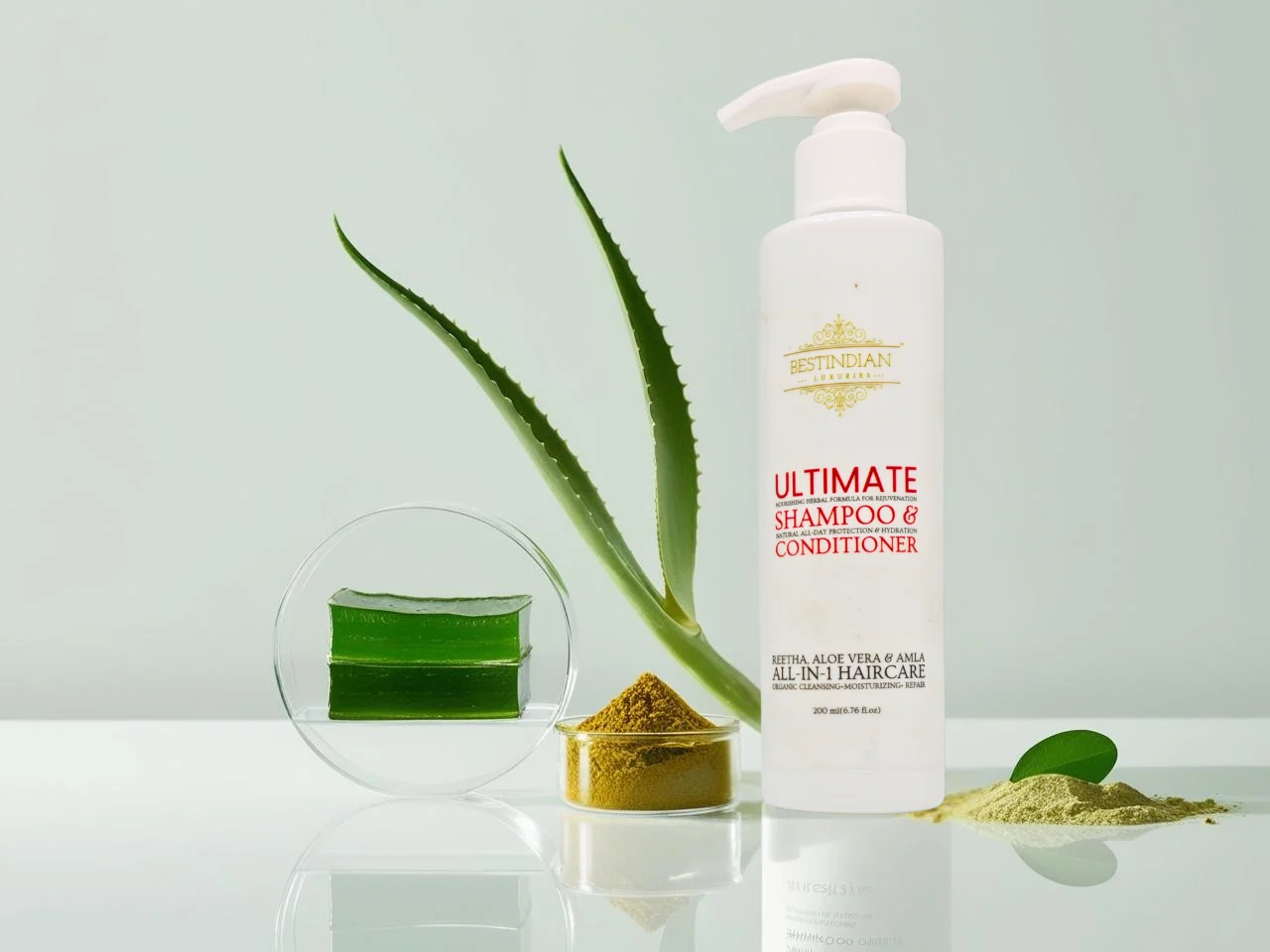

Healthy, beautiful hair starts with a thoughtful hair care routine, and at the core of that daily or weekly ritual sit two foundational products: shampoo and conditioner. While they might feel like simple, mundane everyday items sitting on your shower ledge, selecting the right formulas can mean the difference between a dull, unruly mane and hair that radiates health, strength, and natural luster. Using products tailored precisely to your unique hair biology and environmental reality improves overall texture, reduces structural damage, and transforms your hair into something soft, shiny, and effortlessly manageable.
With thousands of options crowding care drugstore shelves, salon displays, and online marketplaces, finding the ideal shampoo and conditioner can quickly feel overwhelming. Some bottles promise intense surge hydration, while others guarantee weightless volume, bond repair, or fade-defying color preservation. The secret to navigating this endless maze isn’t following viral social media trends or falling for elegant packaging; it comes down to understanding the science of what your hair truly needs.
This comprehensive guide breaks down how shampoos and conditioners work on a structural level, how to accurately diagnose your hair type and scalp conditions, which ingredients truly nourish your strands, and how to craft a long-term hair care routine that keeps your locks resilient all year long.
The Core Mechanics: Why Shampoo and Conditioner Are Non-Negotiable

Shampoo and conditioner are designed to operate as a complementary system. While they are often purchased as a matching pair, they perform radically different, highly specialized functions across the scalp and hair shaft.
The Role of Shampoo: Scalp Cleansing and Health
Shampoo is primarily formulated to cleanse the scalp and the roots of the hair. Throughout the day, your scalp secretes sebum (natural oils), sheds dead skin cells, collects sweat, and traps environmental pollution, dust, and leftover styling products. Left unchecked, this accumulation can clog hair follicles, cause uncomfortable inflammation, trigger dandruff, and even stunt healthy hair growth.
Shampoo utilizes surfactant molecules—compounds with both water-loving (hydrophilic) and oil-loving (lipophilic) ends. The oil-loving tail attaches itself to dirt, excess oils, and buildup, while the water-loving head clings to the water during your rinse, pulling the debris away from your skin and hair fibers. A clean, balanced scalp environment provides the vital soil from which healthy hair emerges.
The Role of Conditioner: Fiber Restoration and Cuticle Alignment

If shampoo’s main job is to clear away buildup, conditioner’s mission is to nourish, rebuild, and protect. The process of washing hair—along with exposure to tap water minerals and mechanical rubbing—causes the microscopic, shingle-like outer layer of the hair shaft (the cuticle) to swell and lift slightly. Exposed cuticles leave the delicate inner core (the cortex) vulnerable to moisture loss, static, tangles, and structural breakage.
Conditioners are formulated with cationic (positively charged) surfactants, emollients, polymers, and fatty alcohols. Because damaged or washed hair carries a negative electrical charge, the positively charged conditioning agents naturally attach themselves to the hair shaft. This action smoothes down the overlapping cuticle shingles, sealing in essential moisture, reducing surface friction between strands, restoring elasticity, and leaving the hair soft, reflective, and easy to comb.
Diagnosing Your Hair Type and Scalp Environment
Before investing in hair care products, you need a clear understanding of your inherent hair type and scalp environment. Hair biology varies widely across individuals, meaning a rich, heavy formula that turns one person’s hair into silk might leave another’s flat, greasy, and limp.
Oily Hair and Scalp
If your roots look slick, dark, or flat within 24 hours of washing, you likely have an active sebaceous gland system. People with oily hair require clarifiers or lightweight, balancing shampoos that lift excess sebum without irritating or over-stripping the skin, which can cause reactive overproduction of oil. Conditioners for oily hair types should be featherlight and applied exclusively from the ears down.
Dry Hair and Scalp
Dry hair often feels coarse, brittle, or straw-like to the touch, easily develops split ends, and lacks natural shine. A dry scalp may feel tight, uncomfortable, or prone to fine, dry flaking. This profile requires rich, cream-based shampoos packed with hydrating oils and ultra-nourishing conditioners loaded with butter matrices and humectants to restore lost lipid barriers.


Combination Hair
Combination hair is exceptionally common: the scalp produces plenty of oil, but the mid-lengths and ends are dry, damaged, or frizzy. Managing combination hair requires a targeted strategy. Wash the scalp with a clarifying or balancing shampoo, and treat the ends with a rich, moisture-sealing conditioner or deep conditioning mask.
Curly, Wave, and Coily Hair Architecture
Unlike straight hair fibers, where natural scalp oils glide smoothly down the shaft, curly, wavy, and coily strands feature dynamic bends and spirals. These twists make it difficult for natural sebum to travel down to the ends. Consequently, textured hair is naturally drier and far more vulnerable to humidity and frizz. Textured hair thrives on sulfate-free, ultra-hydrating cleansers (or cleansing conditioners) alongside rich, slip-providing conditioners packed with plant oils and butter matrices.
Fine vs. Coarse Density and Diameter
- Fine Hair: Has a small individual strand diameter. It easily becomes weighed down by heavy silicones, thick oils, and rich butter blends. Fine hair requires volumizing, body-building formulas that leave zero residue behind.
- Coarse/Thick Hair: Features a wide strand diameter with a robust cortex layer. It demands intense moisture, heavy emollients, and deep-penetrating oils to soften its strong structural integrity and tame flyaways.
Addressing Specific Hair Concerns
While identifying your baseline hair type provides a solid foundation, secondary hair concerns dictate the specialized active ingredients your routine requires.

Color-Treated Hair
Chemical dyeing and bleaching processes lift the hair’s protective cuticle layer using alkaline agents to deposit or strip pigment. This leaves the hair fiber porous, fragile, and prone to rapid color fading under tap water. Color-treated hair requires low-pH, sulfate-free shampoos that prevent cuticle swelling, mixed with color-depositing or UV-filtering conditioners that preserve vibrancy and neutralize unwanted brassy tones.
Heat Damage and Mechanical Stress
Frequent use of hot tools (flat irons, curling wands, blow dryers) along with aggressive brushwork destabilizes the hydrogen and disulfide bonds inside the hair cortex. Damaged hair needs structural rebuilding through hydrolysed proteins, amino acid complexes, and modern bond-building technologies that temporarily fill in fractured areas along the shaft.
Scalp Conditions (Dandruff and Sensitivity)
Dandruff isn’t caused by a dry scalp; it is triggered by an overgrowth of Malassezia, a naturally occurring yeast that feeds on scalp oils. This causes rapid skin cell turnover, inflammation, and visible oily flakes. Anti-dandruff formulas featuring active agents like salicylic acid, zinc pyrithione, ketoconazole, or tea tree oil help regulate microbial activity and soothe irritated scalp tissue.
Decoding the Science of Ingredient Labels
Understanding how to read an ingredient label puts you in complete control of your hair care routine, allowing you to bypass marketing promises and focus on what’s actually inside the bottle.

Beneficent Actives to Look For
- Nourishing Natural Oils:
- Argan Oil: Packed with fatty acids and Vitamin E; seals the cuticle and adds mirror-like shine without heavy grease.
- Coconut Oil: One of the few oils proven to penetrate deep into the hair cortex, reducing protein loss during washing.
- Jojoba Oil: Mimics the molecular structure of human sebum, providing lightweight hydration that balances scalp oil production.
- Moisture Magnet Humectants:
- Hyaluronic Acid: Holds up to 1,000 times its weight in water, drawing hydration directly into parched hair strands.
- Glycerin: A classic, highly efficient humectant that pulls moisture from the air into the hair fiber, restoring elasticity.
- Aloe Vera Gel: Calms scalp inflammation while delivering weightless, water-based hydration to fragile roots.
- Structural Repair Complexes:
- Hydrolyzed Keratin and Silk Proteins: Broken down into small, bioavailable molecules that bind to damaged sites along the hair cortex, temporarily restoring tensile strength.
- Panthenol (Pro-Vitamin B5): Penetrates the hair shaft, coating strands in a smooth protective film that adds body, slip, and shine.
Ingredients to Approach with Intention and Care
Not every ingredient works well for every hair type. Some compounds offer quick cosmetic fixes while creating long-term challenges if used incorrectly.

Sulfates (SLS and SLES)
Sodium Lauryl Sulfate (SLS) and Sodium Laureth Sulfate (SLES) are powerful cleansing agents that produce rich, foamy lathers. While they effectively strip away heavy oils, silicone, and styling wax, they can be too harsh for dry, sensitive, color-treated, or curly hair types. Opting for gentle, coconut-derived surfactants (like Cocamidopropyl Betaine or Sodium Cocoyl Isethionate) helps clean the scalp gently without stripping away natural lipid barriers.
Silicones: Soluble vs. Insoluble
Silicones wrap the hair shaft in a microscopic hydrophobic shield that tames frizz, locks out humidity, adds slip, and protects against heat damage.
- Insoluble Silicones (e.g., Dimethicone, Amodimethicone): Offer fantastic smoothing and heat protection, but can build up on fine or low-porosity hair over time if you don’t use a clarifying shampoo every few washes.
- Water-Soluble Silicones (e.g., PEG-functionalized Dimethicones): Rinse away easily with water, providing all the shine and slip benefits without causing long-term buildup.
Tailored Selection: Matching Products to Profiles
To achieve optimal results, select your shampoo based on your scalp needs and your conditioner based on your mid-lengths and ends.

Choosing the Ideal Shampoo
- For Oily Scalps: Choose clear, lightweight, balancing or daily clarifying formulations containing tea tree, witch hazel, or citrus extracts.
- For Dry Scalps: Select creamy, low-foaming, sulfate-free cleansers enriched with shea butter, aloe vera, or jojoba oil.
- For Fine Hair: Pick volumizing shampoos that use lightweight wheat or rice proteins to plump the root structure without leaving heavy residues.
- For Chemically Treated Hair: Look for specialized post-color, low-pH formulations designed to smooth down lifted cuticles and lock in artificial dyes.
Choosing the Complementary Conditioner
- Rinse-Out Conditioners: The cornerstone of daily care. Match the weight of the conditioner to your strand diameter.
- Deep Conditioning Masks: High-concentration treatments applied once or twice a week. Packed with concentrated butter matrices, fatty acids, and repair complexes for deeply parched strands.
- Leave-In Conditioners: Lightweight spray-on or lotion-based formulas applied to damp hair before styling. They provide continuous hydration, detangling slip, and environmental protection throughout the day.
The Science of the Perfect Wash Routine
Using high-performance products is only half the equation; proper technique during your wash routine is just as important for maintaining hair health.
Step 1: Complete Water Saturation
Before applying a drop of shampoo, drench your hair thoroughly under warm water for at least 60 seconds. Fully saturated strands allow surfactants to distribute evenly and lather properly, minimizing the amount of product you need to use.
Step 2: Target the Scalp with Shampoo
Dispense a nickel-to-quarter-sized amount of shampoo into your palms and work it into a gentle lather. Apply it directly to your scalp and roots. Massaging the scalp with the pads of your fingers (never your fingernails) stimulates blood circulation and lifts oil and buildup. Avoid piling long hair onto the crown of your head to wash it, as this causes severe tangles and friction damage. As you rinse, the suds will run down your mid-lengths and ends, cleaning them gently without drying them out.
Step 3: Towel-Dampen Before Conditioning
After rinsing your shampoo out completely, gently squeeze excess water from your hair before applying conditioner. When hair strands are completely dripping wet, conditioner slides right off without penetrating the cuticle layer.
Step 4: Apply Conditioner from the Ears Down

Apply conditioner starting at the ends of your hair, working upward toward the mid-lengths. Avoid applying traditional conditioner directly to the scalp, as natural oils are already concentrated there, and heavy conditioning agents can weigh down the roots.
Step 5: Dwell Time and Cool Rinse
Allow the conditioner to sit on your hair for 2 to 5 minutes to give the cationic agents enough time to bind to the hair shaft and seal the cuticle layer. Finish with a thorough rinse using cool or lukewarm water. Cool water helps lay down the cuticle shingles flat, locking in moisture and leaving the hair looking extra shiny.
Wash Frequency: Finding Your Personal Cadence
How often you should wash your hair depends on your individual scalp biology, hair texture, daily activity levels, and environment.
Environmental and Lifestyle Adjustments
Your washing schedule should adapt to your daily routine:
- High-Intensity Athletes: Daily sweat buildup may require more frequent rinsing or the use of light, non-stripping co-washes.
- Humid Climates: Heat and humidity trigger extra sweat and sebum production, requiring more frequent scalp cleansing.
- Heavy Styling Product Users: Those who use daily pomades, waxes, or hairsprays should incorporate a weekly clarifying shampoo session to prevent buildup.
Common Hair Care Mistakes to Avoid

Even the most expensive, high-end hair products can’t overcome poor application habits. Here are the most common mistakes that hinder healthy hair growth:
Topical products work wonders to smooth, protect, and cleanse the visible hair shaft, but true hair vitality starts deep within the scalp matrix.Hair cells are among the fastest-growing cells in the human body, requiring a steady supply of nutrients and systemic care to grow strong, resilient strands.
Essential Nutrition for Stronger Strands
Because hair is composed primarily of a tough protein called keratin, adequate dietary protein intake is essential. Incorporate these key nutrients into your daily diet:
- Lean Proteins: Fish, poultry, eggs, legumes, and tofu provide the essential amino acids needed for robust keratin synthesis.
- Healthy Fatty Acids: Wild salmon, avocados, walnuts, and flaxseeds nourish the scalp’s lipid barrier, helping keep hair soft and hydrated from within.
- Essential Micronutrients: Iron, Zinc, Biotin, and Vitamin D support healthy hair follicle cycling. Deficiencies in these nutrients often lead to increased hair shedding.
Protective Daily Habits
- Switch to Silk or Satin: Sleeping on a silk or satin pillowcase significantly reduces overnight friction, helping prevent mechanical frizz, tangles, and split ends.
- Lower the Temperature: Limit your use of hot tools, and always apply a silicone- or polymer-based heat protectant spray before blow-drying or flat-ironing.
- Gentle Detangling Protocol: Always detangle wet hair starting from the tips and working your way up to the roots using a flexible wet brush or a wide-tooth comb.
- Regular Maintenance Trims: Schedule a micro-trim every 8 to 12 weeks to remove frayed ends before they can split further up the hair shaft.
What’s Next in Hair Care? Modern Innovations and Trends
The world of hair care has evolved beyond generic one-size-fits-all formulas, embracing advanced dermatological science, customized care, and sustainable ingredients.
The “Skinification” of Hair and Scalp Care
Modern hair care treats the scalp with the same care and attention as the skin on your face. Formulas now incorporate proven skincare actives like Hyaluronic Acid, Niacinamide, Salicylic Acid, and Squalane directly into shampoos and serums to support a balanced scalp microbiome and create the ideal environment for hair growth.
Smart Customization and Clean Formulas

Custom hair care uses diagnostic quizzes to tailor formulas to your specific hair porosity, local water hardness, lifestyle habits, and scent preferences. At the same time, sustainable, waterless shampoo bars and eco-conscious, biodegradable packaging are making it easier than ever to care for your hair while protecting the planet.
FAQ’S
1. How do I choose the best shampoo and conditioner?
Choose products based on your hair type, scalp condition, and specific hair concerns.
2. Can I use shampoo and conditioner every day?
Yes, if they are gentle and suitable for your hair type, daily use is generally fine.
3. Should I use the same brand of shampoo and conditioner?
Using the same brand can be beneficial, but the most important factor is choosing products that suit your hair’s needs.
4. Is conditioner necessary after every shampoo?
Yes, conditioner helps restore moisture, reduce frizz, and keep hair soft and manageable.
5. What ingredients should I look for in hair care products?
Look for nourishing ingredients like argan oil, coconut oil, keratin, aloe vera, and biotin for healthier hair.



Leave a Reply