

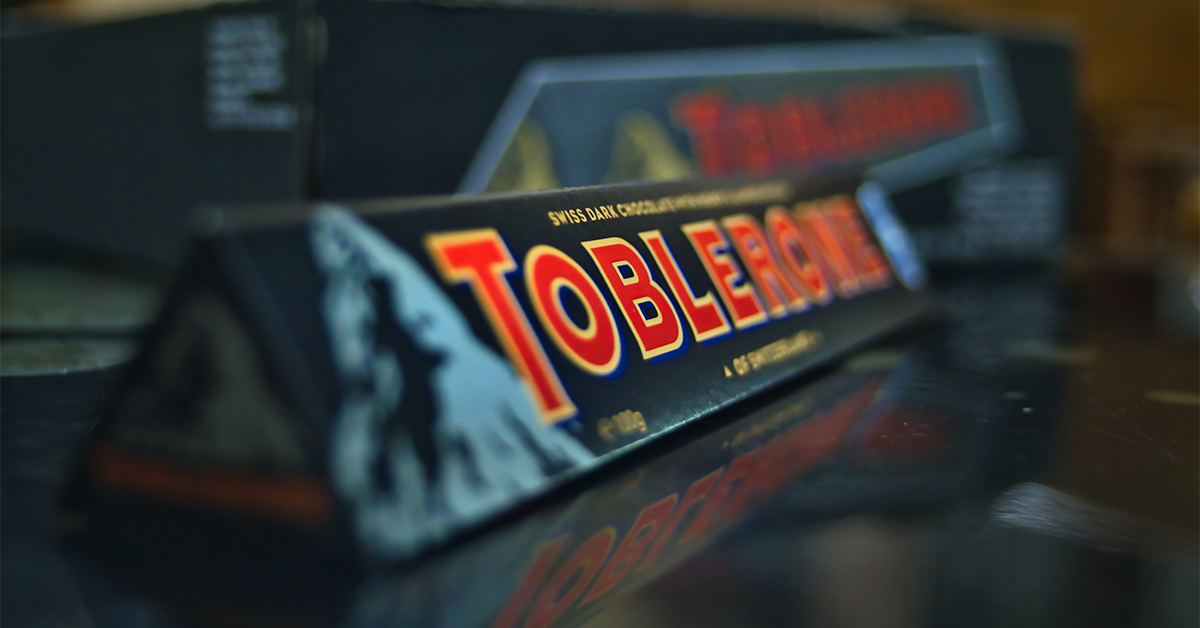

When you imagine a Toblerone bar, its iconic shape immediately comes to mind. For nearly a century, those sharp, triangular peaks have made the Swiss confection recognizable on store shelves worldwide.
The Independent
In October 2026, those signature peaks became the focal point of a major legal battle in London’s High Court. Mondelez International—the global food giant behind Toblerone—filed a lawsuit against Catherine’s Originals, a small, independent British vegan chocolate brand.
EasternEye
This conflict between a multinational conglomerate and a small business brings crucial questions about trademark law, product shapes, and brand protection to the forefront.
What Is the 2026 Toblerone Dispute About?

On October 15, 2026, Mondelez International launched formal legal proceedings against Catherine’s Originals. The dispute centers on the British brand’s signature product, the O’bar.
The Fund+ 1
┌─────────────────────────────────────────────────────────┐│ MONDELEZ INTERNATIONAL ││ vs ││ CATHERINE'S ORIGINALS │├───────────────────────────┬─────────────────────────────┤│ Core Product: Toblerone │ Core Product: O'bar ││ Pointed Triangular Peaks │ Rounded Semi-Oval Humps ││ Established: 1908/1929 │ Founded: 2021 ││ Target: Mass Market │ Target: Premium Vegan Market│└───────────────────────────┴─────────────────────────────┘
Mondelez claims that the O’bar’s design violates its trademark rights and amounts to passing off. Passing off is a UK common law tort used to prevent one business from misrepresenting its products as those of another, thereby harming the original brand’s established goodwill.
Mondelez stated that Toblerone’s segmented shape has been an essential hallmark of its brand identity since 1929. According to the company, it initiated the lawsuit only after months of direct negotiations failed to reach an amicable solution.
The Independent
Meet the Parties Involved
Mondelez International
Mondelez is one of the world’s largest confectionery and snack manufacturers. Its global portfolio includes household names like Cadbury, Oreo, Milka, and Toblerone. For a company of this scale, protecting trademarked assets is standard protocol to preserve market share and brand identity.
Catherine’s Originals
Founded in 2021 by Catherine Dodd, Catherine’s Originals is an independent vegan chocolatier based in Walberton, West Sussex. The brand gained a loyal following through local markets, online sales, and direct-to-consumer subscriptions.
EasternEye+ 1
         ┌──────────────────────────────────────┐
         │         CATHERINE'S ORIGINALS        │
         ├──────────────────────────────────────┤
         │  Founder:      Catherine Dodd (2021) │
         │  Location:     West Sussex, UK       │
         │  Specialty:    Artisanal Vegan       │
         │  Flagship:     O'bar                 │
         │  Price Point:  £9.20 - £10.55        │
         └──────────────────────────────────────┘
The Legal Claims: Infringement and Passing Off

Mondelez’s High Court filing rests on two legal pillars:
- Registered Trademark Infringement: Mondelez holds registered trademarks for Toblerone’s shape. It argues that the O’bar’s segmented humps are confusingly similar to these protected design features. EasternEye
- Passing Off: Under UK law, establishing a passing-off claim requires proving three elements (often called the “Classical Trinity”):
- Goodwill: The claimant must possess established reputation and goodwill attached to its goods or services.
- Misrepresentation: The defendant’s actions lead (or are likely to lead) the public to believe their goods are those of the claimant.
- Damage: The claimant suffers, or is likely to suffer, tangible financial or reputational harm.
The Defense: Distinction and Independent Identity
Catherine’s Originals rejects these claims. Founder Catherine Dodd and her legal representatives argue that the O’bar features distinct, rounded, semi-oval humps designed to evoke the letter “O” in “Originals”—matching the brand’s broader product family, including its “Milky O’s” and “O tins”.
The Independent
Furthermore, the O’bar sells at a premium price point of £9.20 to £10.55 per 200g bar, compared to a standard Toblerone retail price of around £2.50. The defense contends that this price point, combined with distinct packaging and clear vegan branding, prevents any realistic consumer confusion.
EasternEye+ 1
Shape Trademarks: Can You Own a Geometry?
Can a company hold exclusive rights to a three-dimensional shape? Under UK and EU intellectual property law, the answer is yes, but with strict limitations.
| Requirement | What It Means | Common Legal Obstacle |
|---|---|---|
| Distinctiveness | Consumers must identify the product’s origin solely by its shape. | The shape is widely used across the industry. |
| Non-Functionality | The shape cannot arise purely from the nature of the product. | The shape provides a purely technical advantage (e.g., ease of breaking). |
| Aesthetic Value | The shape cannot give substantial aesthetic value to the goods on its own. | The design is chosen purely because it looks appealing. |
The primary challenge in shape trademark litigation is proving acquired distinctiveness without crossing into functionality. If a court finds a shape is simply a practical way to divide a chocolate bar into portion-controlled sections, maintaining total exclusivity becomes much harder.
EasternEye
Toblerone’s Past IP Disputes

The 2026 suit is not Toblerone’s first legal challenge regarding its shape and packaging.
The Guardian
2017: Poundland "Twin Peaks" Dispute───────► Mondelez challenges Poundland's double-hump bar design. Outcome: Poundland modifies the shape and packaging before sale.2020: Swissone Lawsuit (Bern Commercial Court)───────► Mondelez sues Cocoa Luxury over its Swissone chocolate. Outcome: Court rejects Mondelez's preliminary injunction, citing clear visual differences.2023: Swissness Packaging Change───────► Moving production outside Switzerland invalidates the use of the Matterhorn peak. Outcome: Toblerone replaces the Matterhorn with a generalized mountain crest.2026: Catherine's Originals High Court Claim───────► Mondelez sues UK vegan brand over the O'bar design. Outcome: Case pending in London High Court.
1. The Poundland “Twin Peaks” Case (2017)
When UK retailer Poundland introduced its “Twin Peaks” chocolate bar—featuring two rounded hills rather than single triangular peaks—Mondelez issued immediate legal warnings. The product’s launch was delayed while negotiations took place. Ultimately, Poundland agreed to redesign the bar’s silhouette and alter its packaging colors before bringing it to market.
The Guardian
2. The Swissone Lawsuit (2020)
Mondelez challenged Swiss manufacturer Cocoa Luxury over its “Swissone” chocolate bar shape in Switzerland. In 2020, the Bern Commercial Court rejected Mondelez’s request for preliminary relief. The court held that the overall commercial impression—considering product names, packaging layout, and structural shape differences—was sufficiently distinct to avoid consumer confusion.
3. The 2023 “Swissness” Packaging Shift
In 2023, Toblerone updated its iconic packaging after moving part of its production from Bern, Switzerland, to Bratislava, Slovakia. Under Swiss law (“Swissness” legislation), national symbols like the Matterhorn peak can only be featured on food products manufactured entirely within Switzerland. Consequently, Toblerone replaced the Matterhorn with a generalized mountain profile.
The Guardian
What This Means for Small Businesses and Global Brands

This High Court case highlights a persistent tension in intellectual property law:
- For Global Brands: Companies like Mondelez invest heavily in building recognizable brand assets over decades. Allowing competitors to use similar visual markers risks diluting trademark strength and weakening brand identity over time.
- For Independent Makers: Small businesses often face overwhelming financial pressure when defending against corporate litigation. Legal defense costs can quickly become unsustainable, forcing small brands to compromise even when they believe their design is fully original.
Essential Steps for Developing Unique Product Shapes
- Conduct Early IP Audits: Before tooling production molds, research existing shape trademarks within your product category.
- Prioritize Distinct Branding: Ensure your brand name, logo, typography, and color palette are visibly unique to prevent passing-off claims.
- Document Your Design Process: Keep detailed records of conceptual drafts, design rationales, and branding decisions to show independent creation in court.
- Emphasize Material Differences: Differentiate product presentation, retail pricing, and target demographics to lower the risk of consumer confusion.
Looking Ahead: What’s Next?
As the High Court case progresses, the court will evaluate the structural differences between Toblerone’s triangular peaks and the O’bar’s rounded, semi-oval segments. Judges will also review the full commercial context—including price points, distribution channels, packaging, and target markets—to determine whether passing off or trademark infringement has taken place.
EasternEye
Whether the case ends in a formal court ruling or an out-of-court settlement, it will set a notable precedent for shape trademarks and product design in the confectionery industry.
Frequently Asked Questions
1. What is the 2026 Toblerone trademark dispute about?
Mondelez International is suing Catherine’s Originals, claiming its O’bar shape infringes on Toblerone’s registered design rights and amounts to passing off.
2. Why does Mondelez claim the O’bar infringes on its trademark?
Mondelez argues that the O’bar’s segmented humps closely resemble Toblerone’s iconic triangular shape, potentially confusing consumers and damaging brand identity.
3. What is Catherine’s Originals’ defense against the lawsuit?
Founder Catherine Dodd maintains that the bar’s rounded shape represents the letter “O” in Originals, featuring unique packaging, premium pricing, and a distinct vegan identity.
4. Can a company legally trademark the physical shape of a product?
Yes, product shapes can be trademarked under UK law, provided they indicate brand origin and are not purely functional or standard across the industry.
5. Has a court already decided whether the O’bar breaks trademark laws?
No, the lawsuit was filed in October 2026 and remains an ongoing legal matter before London’s High Court.




Leave a Reply