

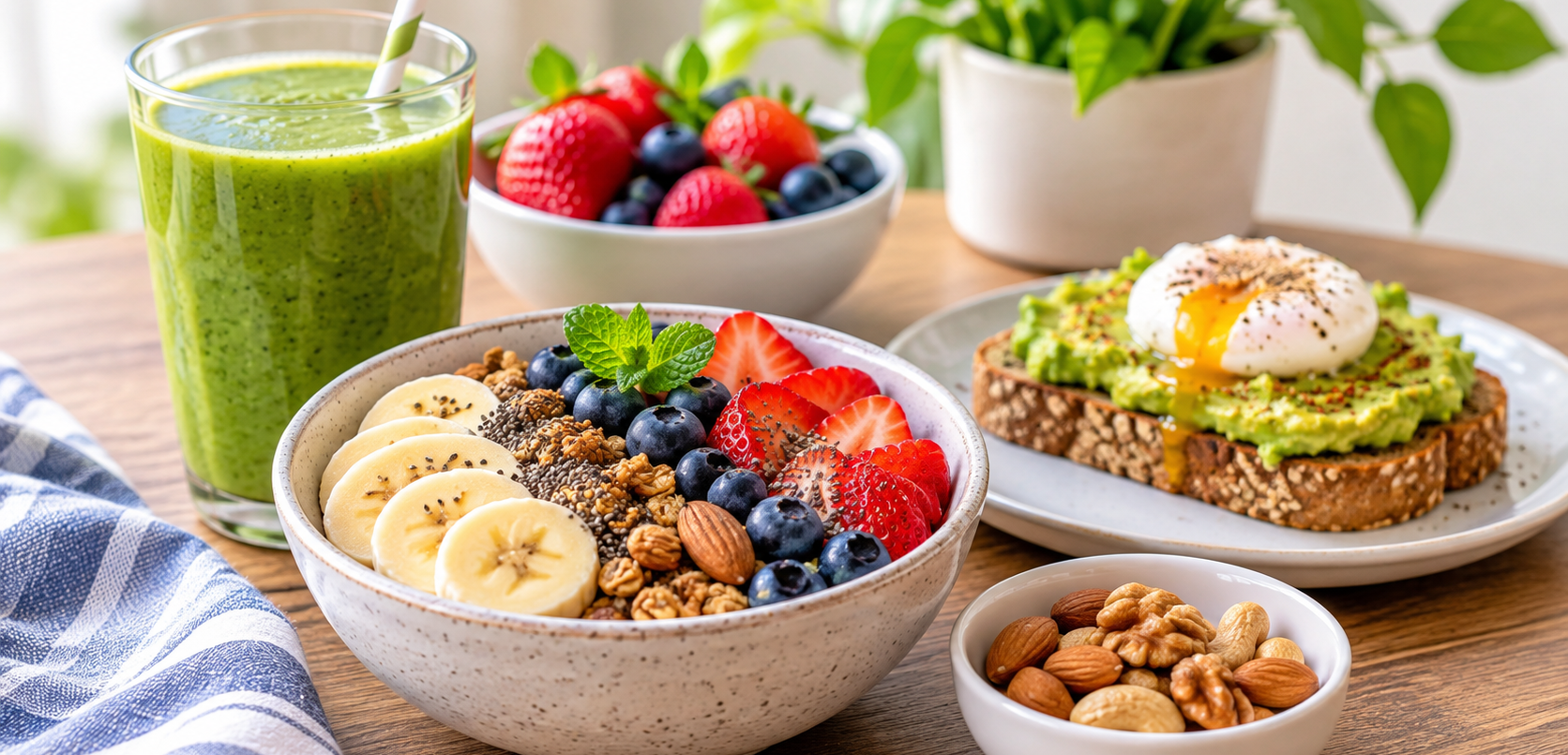

For a long time, my mornings felt like a constant battle against my own body clock. I used to be the person who either skipped breakfast entirely—thinking it was a clever way to save calories—or grabbed a quick sugary bakery item on the go with a sweet cup of tea. By 11:00 AM every single morning, the exact same story played out: my hands would feel shaky, my concentration would tank, and I’d end up ravenous, eating twice as much at lunch.
It took a persistent cycle of midday brain fog, bloating, and energy slumps for me to realize that what I put into my body first thing in the morning dictates how I feel for the rest of the day. When I stopped treating breakfast as an afterthought and started building meals around high-quality protein, healthy fats, and slow-burning fiber, my daily life transformed. My energy leveled out, my cravings vanished, and my digestion finally felt comfortable.
If you are looking to build a sustainable, nourishing morning routine that keeps you full and focused, here is my personal guide to the absolute best healthy breakfast foods for a vibrant lifestyle.
1. Eggs: Nature’s Perfect Multivitamin

If I had to pick just one staple for my morning kitchen, it would be whole eggs. For years, we were misled into believing that egg yolks were bad for us. But the science has set the record straight, and I can tell you from experience that eating whole eggs keeps me full longer than almost anything else.
Why Eggs Are a Morning Essential
- Complete Protein: Two large eggs deliver roughly 12 to 14 grams of high-quality complete protein containing all nine essential amino acids. Protein signals your brain to release satiety hormones, preventing mid-morning snack attacks.
- Choline for Focus: Egg yolks are packed with choline, an essential nutrient that supports brain function, memory, and nerve signaling—giving you sharp mental clarity for your workday.
- Lutein & Zeaxanthin: Antioxidants that protect your vision from screen strain.
My Favorite Quick Prep: Scramble two eggs in half a teaspoon of pure ghee or olive oil with a handful of fresh spinach, and serve them alongside half an avocado on toasted whole-grain sourdough.
2. Greek Yogurt and Curd Bowls: Gut-Friendly Satiety

When I want a light, refreshing morning Breakfast that requires zero cooking, unsweetened Greek yogurt (or thick homemade hung curd) is my primary go-to.
The Power of Probiotics and Protein
- Double the Protein: Traditional strained Greek yogurt contains nearly double the protein of regular yogurt, providing around 15 to 20 grams per serving.
- Gut Health Booster: It is loaded with live probiotic cultures that nourish your microbiome, easing morning bloating and encouraging smooth digestion.
- Calcium & Vitamin B12: Strengthens bone density while helping convert food into steady cellular energy.
My Personal Rule: Stay far away from store-bought flavored yogurts! They are often loaded with as much hidden refined sugar as a candy bar. Buy plain, unsweetened yogurt and sweeten it naturally at home with a handful of fresh berries, a drizzle of raw honey, and a pinch of cinnamon.
3. Moong Dal Cheela and Lentil Crepes: Savory Plant-Based Power

If you prefer a warm, savory, traditional breakfast that is naturally gluten-free and packed with plant-based protein Breakfast, Moong Dal Cheela (yellow/green lentil crepes) is an absolute powerhouse.
Why Lentil Breakfasts Shine
- Slow-Burning Complex Carbs: Yellow moong dal has a low glycemic index, meaning it releases glucose slowly into your bloodstream without causing sharp insulin spikes.
- High Dietary Fiber: Keeps your digestive tract moving smoothly and feeds beneficial gut bacteria.
- High Protein for Plant Diets: Pairing ground moong dal batter with a grating of fresh paneer (cottage cheese) creates a breakfast delivering over 18 grams of clean protein.
How I Prep It: Soak yellow moong dal overnight, blend it in the morning Breakfast with a small piece of ginger, green chilies, cumin seeds, and a pinch of asafoetida (hing). Pour the batter onto a hot skillet like a thin crepe, stuff it with grated paneer and chopped coriander, and serve hot with fresh mint-cilantro chutney.
4. Rolled Oats and Overnight Chia Bowls: The Fiber Benchmark

Oats have been a breakfast staple for generations, but how you prepare them makes all the difference. Instant flavored oatmeal packets strip away natural nutrients and spike blood sugar, whereas rolled oats or steel-cut oats deliver incredible sustained energy.
┌────────────────────────────────────────────────────────┐| OATS & CHIA ADVANTAGE |├────────────────────────────────────────────────────────┤| • Beta-Glucan Fiber ➔ Lowers LDL Cholesterol & Spikes|| • Omega-3 Fatty Acids➔ Reduces Systemic Inflammation || • Prebiotic Compounds➔ Feeds Healthy Gut Microbes || • High Minerals ➔ Packed with Iron & Magnesium |└────────────────────────────────────────────────────────┘
The Magic of Beta-Glucan
Oats contain a soluble fiber called beta-glucan. When digested, beta-glucan forms a smooth, gel-like substance in your gut that slows down stomach emptying. You stay comfortably full for hours after finishing your bowl.
My Go-To Overnight Oats Recipe
In a jar, combine 1/2 cup of rolled oats, 1 tablespoon of chia seeds, 1 tablespoon of crushed walnuts, a pinch of cinnamon, and 3/4 cup of almond milk or cow’s milk. Mix well and leave it in the fridge overnight. In the morning, top with half a sliced apple or pomegranate seeds for a cool, creamy, grab-and-go meal.
5. Nuts, Seeds, and Healthy Fats: Brain Fuel


For a long time, low-fat diet trends convinced people to avoid high-fat Breakfast. But your brain is made of nearly 60% fat, and skipping healthy fats in the morning leaves you feeling irritable, foggy, and unsatisfied.
| Nut / Seed Star | Key Nutrient | Primary Health Benefit |
|---|---|---|
| Walnuts | Plant-based Omega-3 (ALA) | Lowers vascular inflammation, sharpens cognitive focus |
| Almonds | Vitamin E, Magnesium | Nourishes dry skin from within, regulates blood pressure |
| Chia & Flaxseeds | Soluble Fiber, Lignans | Lubricates digestion, balances hormonal health |
| Pumpkin Seeds | Zinc, Tryptophan | Boosts immune defense, supports calm mood regulation |
How I Work Fats into Morning Meals
- Soak 5 almonds and 2 whole walnuts in water overnight, peel the almond skins, and eat them first thing in the morning alongside your warm water.
- Sprinkle a tablespoon of toasted pumpkin and flaxseeds over your morning porridge, smoothie, or yogurt.
- Spread pure, no-sugar-added peanut butter or almond butter onto whole-grain sourdough toast.
6. Fresh Whole Fruits: Hydration and Natural Antioxidants

Eating whole fruit in the morning provides your body with natural, unrefined fructose paired with water and cellular fiber.
Important Distinction: Eat your fruit whole—do not drink packaged fruit juices! Juicing strips away the structural plant fiber, turning a healthy fruit into a concentrated glass of fast-absorbing sugar that spikes your liver.
+-------------------------------------------------------------------+| SMART FRUIT PAIRINGS || || [Whole Fruit (Berries/Apples)] ➔ [Pair with Protein / Fat Source] || (Nuts, Cheese, or Greek Yogurt) |+-------------------------------------------------------------------+
Best Morning Fruit Picks
- Berries (Blueberries, Strawberries, Raspberries): Low in sugar, packed with fiber, and loaded with anthocyanins—powerful antioxidants that protect your cells from oxidative stress.
- Apples: Rich in pectin, a prebiotic fiber that aids digestive health.
- Papaya: Contains papain, a digestive enzyme that calms sensitive stomachs and prevents morning sluggishness.
Always pair your fruit with a source of protein or healthy fat (like a handful of almonds or a spoonful of yogurt) to keep your blood sugar completely stable.
Simple Rules for Building Your Ideal Morning Breakfast
To build your own personalized healthy breakfast without stressing over complex recipes, follow this simple assembly formula:
- Pick One Primary Protein (20g+): Eggs, Greek yogurt, paneer, moong dal batter, or quality protein powder.
- Add One Healthy Fat Source: Avocado, nuts, seeds, pure ghee, or nut butter.
- Include Complex Fiber: Whole-grain sourdough, rolled oats, vegetables, or fresh berries.
- Hydrate First: Always drink a large glass of room-temperature or warm water before sitting down to eat your morning meal.
By shifting away from refined carbohydrates and building your morning plate around real, nutrient-dense whole foods, you give your body the exact tools it needs to thrive. Take it one morning at a time, pay attention to how your body feels, and enjoy the clean, lasting energy!
FAQ’s
1. What are the best healthy breakfast foods?
Oats, eggs, fruits, yogurt, nuts, seeds, and whole-grain foods are great healthy breakfast choices.
2. What should I eat for breakfast every day?
Choose a balanced breakfast with protein, fiber, healthy fats, and whole grains to keep you full and energized.
3. Is eating breakfast good for a healthy lifestyle?
Yes, a nutritious breakfast can help provide energy and make it easier to meet your daily nutrient needs.
4. What is a healthy breakfast for weight management?
Oatmeal, eggs with vegetables, Greek yogurt with fruit, and whole-grain toast are nutritious and filling options.
5. What should I avoid at breakfast?
Try to limit highly sugary cereals, pastries, sugary drinks, and heavily processed breakfast foods.



Leave a Reply