

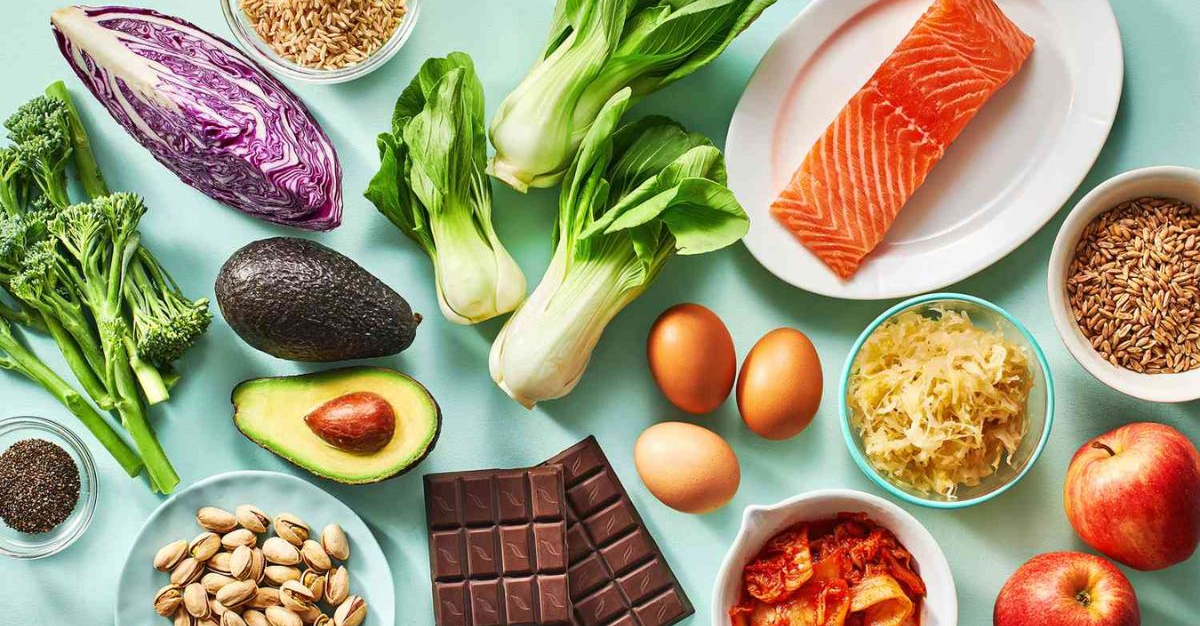

We have finally reached a quiet revolution in the way we talk about food. For decades, our relationship with eating was dictated by a rigid, almost mechanical diet culture. It was an exhausting cycle of counting calories, cutting out entire food groups, and viewing our plates through a lens of guilt and restriction. Success was measured strictly by a number on a scale, and meals were often treated as a chore or a mathematical equation to be solved.
But that restrictive mindset is steadily breaking down. Today, a much healthier, more intuitive approach has taken over. Eating well is no longer a temporary punishment to hit a quick weight goal; it has become a genuine lifestyle choice rooted in self-preservation. People are waking up to the fact that what we eat directly dictates the quality of our daily lives—our sustained energy levels, our mental clarity, our emotional resilience, and our long-term health.
Our current routines ask a lot of us. Between heavy workloads, family demands, and the constant digital noise of modern life, running on empty or relying on synthetic energy crashes simply doesn’t cut it anymore. We are finally moving past treating food as a thoughtless space-filler and recognizing it for what it truly is: the foundational fuel for our lives.
Mindful Nourishment Over Rigid Rules

The shift we are seeing in kitchens and grocery aisles isn’t about chasing some unattainable standard of a perfect plate. It is about building a sustainable, peaceful relationship with what we eat. Processed foods and fast-to-go options aren’t disappearing from the world, but our internal relationship with them is changing. The autopilot habit of grabbing whatever is closest is being replaced by a deeper sense of conscious awareness.
[Autopilot Eating] ------> Quick convenience followed by a heavy afternoon crash[Mindful Fueling] -------> Stable physical stamina, mood balance, and clear focus
Instead of approaching a meal by asking what we need to strip away, the focus has shifted toward what we can add to give our bodies true value. It’s a holistic view built around balancing core components: clean proteins to support physical recovery, complex carbohydrates and fiber for steady digestion, and healthy fats to fuel cognitive focus.
This isn’t about strict perfection; it’s about learning to listen to your body’s actual signals rather than a generic, one-size-fits-all instruction manual.
The widespread use of simple wellness insights has also personalizing this journey. People are discovering that their individual bodies have unique needs. While one person might thrive with a higher intake of clean protein to power through an active day, another might feel far more balanced focusing on healthy fats and vibrant greens. Embracing these personal differences turns eating into an intuitive, collaborative process between your body and your plate.
The Morning Reset: Reclaiming the Early Hours

The way we look at breakfast has changed dramatically. For a long time, the standard morning routine for a busy professional followed a predictable, frantic script: a rushed cup of black coffee while answering early emails, a sugary pastry grabbed at a drive-thru, or skipping the meal entirely and simply white-knuckling through the morning until lunch.
We have learned through experience that this frantic approach sets us up for an inevitable mid-morning crash, bringing along brain fog and erratic blood sugar swings that derail our focus before the day even gets going.
+————————–+———————————————————–+ | Morning Habit | Real-World Outcome | +————————–+———————————————————–+ | Rushed Caffeine & Sugar | Fast insulin spike, restless focus, early afternoon crash | | Whole, Intentional Foods | Slow, steady glucose release; calm, sustained brain power | +————————–+———————————————————–+
An intentional morning meal serves as an anchor for the hours ahead. The trend has shifted away from sugary, boxed options toward high-fiber, protein-dense real foods that digest slowly and keep hunger hormones stable.
Approachable Morning Options
- Warm Oat Bowls: Steel-cut oats topped with raw pumpkin seeds, wild berries, and a generous dollop of natural almond butter for sustained balance.
- Sourdough Avocado Toast: Topped with microgreens, a pinch of sea salt, and soft-boiled or poached eggs for clean protein and high-quality monounsaturated fats.
- Whole-Food Green Smoothies: A blend of fresh spinach, ginger root, hemp seeds, half a banana, and a clean protein base for a quick, nutrient-dense breakfast on the move.
Slowing down for just ten or fifteen minutes to eat a real, balanced breakfast has become a meaningful act of self-care. It sets a tone of control and calm for the entire day, proving that morning nutrition is about much more than just physical calories.
The Rise of Plant-Forward, Flexible Eating

One of the most refreshing updates to our collective plates is the natural integration of plant-forward eating. The rigid, divisive labels of the past—where you had to be strictly vegan, entirely vegetarian, or a traditional carnivore—are giving way to a much more relaxed, realistic approach often called the “flexitarian” style of eating.
People are realizing that you do not need to sign up for a strict ideological movement to enjoy the profound benefits of whole, plant-based foods.
“True, long-term sustainability isn’t about a tiny group of people executing a plant-based diet flawlessly. It’s about millions of ordinary people choosing a whole-food, vegetable-forward meal on a regular Tuesday.”
Focusing our meals around fresh vegetables, lentils, chickpeas, ancient grains, and raw nuts significantly lowers systemic inflammation and protects cardiovascular health. It is also an incredibly sustainable way to live, requiring far fewer environmental resources over time.
Instead of treating heavy meats as the default center of every single lunch and dinner, people are treating them like a high-quality accent piece. Root vegetables are roasted with rich spices, hearty bean stews simmer on weeknights, and grain bowls are packed with seasonal produce. It’s an open-minded approach that makes eating feel like an ongoing exploration of flavor rather than a list of restrictions.
Rewriting the Rules of Snacking: Protecting Your Afternoon


Snacking has historically been a major vulnerability in our daily diets. When the afternoon slump hits around 3:00 PM and mental fatigue sets in, the brain naturally craves a quick, effortless hit of glucose. For a long time, the standard solutions were office vending machines, sugary sodas, or processed snack packs. While these items offer a quick burst of artificial energy, they leave you feeling even more drained and irritable twenty minutes later.
The modern approach to snacking is entirely focused on maintaining blood sugar stability. The goal isn’t to deny yourself food between your main meals, but to use snacks as a strategic bridge to keep your physical stamina and mood perfectly level.
  [Afternoon Slump] ---> [Processed/Sugary Snack] ---> [Sudden Insulin Spike] ---> [Deep Fatigue]
  [Afternoon Slump] ---> [Protein & Fiber Balance] ---> [Steady Blood Sugar]  ---> [Sustained Focus]
The secret to a smart snack comes down to a simple combination: fiber paired with clean protein or healthy fat. Instead of opening a bag of processed chips, people are keeping simple, whole alternatives within arm’s reach.
A handful of raw walnuts alongside a crisp apple provides an incredibly satisfying texture while delivering essential fatty acids and natural fiber. Whole-grain seed crackers with a scoop of garlic hummus offer complex carbohydrates without causing a harsh glucose spike. Plain Greek yogurt topped with a handful of blueberries offers gut-supporting probiotics and clean protein. By choosing snacks that actively nourish the body, we turn small breaks into moments that actually protect our focus and focus.
Intentional Hydration: The Hidden Pillar of Energy


It is remarkably easy to underestimate how profoundly our hydration status impacts our day-to-day physical and mental performance. Mild dehydration is frequently the hidden cause behind unexplained tension headaches, low-grade muscle fatigue, afternoon brain fog, and sudden, intense sugar cravings that feel impossible to ignore. We often misinterpret our body’s basic cry for water as a sign that we need more food or another shot of espresso.
                  +---------------------------------------+
                  |     Recognizing Mild Dehydration      |
                  +---------------------------------------+
                  |  * Low-level, dull tension headaches  |
                  |  * Sudden, unprovoked sugar cravings  |
                  |  * Midday brain fog and low energy    |
                  +---------------------------------------+
Today, consistent fluid intake is recognized as an absolute requirement for feeling our best. People are intentionally moving away from carbonated sodas, artificial energy drinks, and heavily processed juices, choosing options that support natural cellular recovery instead.
Plain, filtered water remains the gold standard of health, but our daily fluid habits have expanded to include unsweetened herbal teas, mineral-dense coconut water, and water infused with fresh slices of cucumber, lemon, or mint. Rather than stressing over rigid, arbitrary rules like “eight identical glasses a day,” people are listening to their bodies’ natural cues. Keeping a reusable, high-quality water bottle at your desk isn’t a style statement; it’s a simple, foundational habit that keeps your brain firing and your body running smoothly.
The Kitchen Revival: Reclaiming Autonomy Over Ingredients


Perhaps the most empowering habit returning to modern homes is the genuine revival of home cooking. For a long time, the sheer convenience of on-demand delivery apps and pre-packaged microwavable meals made the kitchen feel like a secondary feature of a house.
However, relying entirely on takeout introduces a massive amount of hidden ingredients into our bodies: high levels of processed sodium, low-quality industrial seed oils, synthetic preservatives, and heavy sugars used to artificially boost flavor profiles.
[Takeout Lifestyle] -----> Hidden preservatives, low-grade cooking oils, high cost[Cooking at Home] -----> Absolute ingredient control, nutrient density, cost savings
Cooking our own meals is making a powerful comeback because it restores total autonomy over what enters our bodies. When you prepare your own food, you are the one deciding the quality of the oils, the freshness of the produce, and the reality of the portion sizes.
To make this sustainable alongside hectic work weeks, casual meal prepping has become a staple of weekend routines. This doesn’t mean spending your entire Sunday afternoon portioning out identical plastic containers for the week ahead. Instead, it’s about smart operational efficiency: roasting a massive tray of mixed seasonal vegetables, baking chicken breasts or marinating blocks of tofu, and boiling a versatile pot of quinoa or wild rice.
Having these simple, whole-food building blocks ready to go in the fridge completely removes the mental friction of deciding what to eat after an exhausting workday. It makes the healthy choice the easiest choice available, protecting both your physical well-being and your monthly budget.
Embracing an 80/20 Balance
At its core, the modern approach to eating well is defined by long-term flexibility and kindness to oneself. It is a complete, intentional rejection of the all-or-nothing mindset that makes traditional dieting so incredibly fragile and mentally draining. True wellness is never ruined by a celebratory dinner out with friends, a slice of cake at a family birthday, or a relaxed weekend brunch.
The focus has shifted entirely to the overall pattern of our behavior—what we do eighty percent of the time, rather than the occasional, joyful exceptions. By stepping away from hyper-restrictive rules and embracing real, whole foods that genuinely honor our biology, we create an adaptable lifestyle that naturally supports our long-term vitality. Eating well stops feeling like an endless chore and becomes what it was always meant to be: a natural expression of taking care of ourselves.
FAQ’s
1. What are the best healthy food ideas in 2026?
Balanced meals, plant-based foods, superfoods, and home-cooked dishes are the best options.
2. Why is healthy eating important?
It improves energy, immunity, mental health, and long-term well-being.
3. Are plant-based diets popular in 2026?
Yes, many people are adopting plant-based or flexitarian diets for better health.
4. What are superfoods?
Superfoods are nutrient-rich foods like berries, spinach, chia seeds, and nuts that support overall health.
5. How can I start eating healthier?
Start with small changes like drinking more water, eating more fruits and vegetables, and reducing processed food.




Leave a Reply