

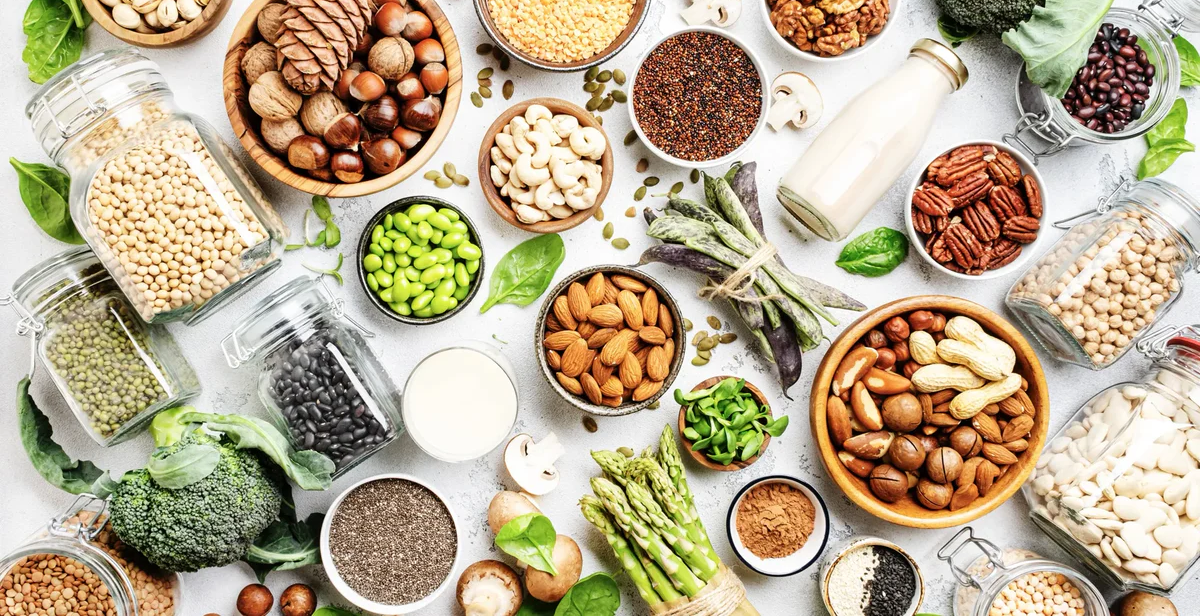

Food trends continue to evolve as people become more conscious of their health, the environment, and the quality of the ingredients they consume. In 2026, the focus is no longer just on eating delicious meals—it is also about making smarter food choices that support overall well-being, reduce waste, and fit into busy lifestyles. Consumers are looking for fresh ingredients, balanced nutrition, convenient meal options, and exciting flavors from around the world.
Restaurants, home cooks, and food brands are responding by introducing innovative recipes, sustainable practices, and healthier alternatives without sacrificing taste. Whether you enjoy cooking at home or dining out, understanding the latest food trends can help you discover new ingredients, improve your eating habits, and make every meal more enjoyable.
This guide explores the top food trends shaping 2026 and explains why they are becoming increasingly popular.
The Growing Demand for Healthy and Functional Foods
One of the biggest food trends in 2026 is the rise of functional foods. These foods do more than satisfy hunger—they also provide nutrients that support overall health. Consumers are choosing meals rich in protein, fiber, vitamins, and healthy fats to improve energy levels, digestion, and immunity.
Popular functional foods include:
- Greek yogurt
- Oats
- Chia seeds
- Berries
- Leafy green vegetables
- Nuts and seeds
- Fermented foods
People are paying closer attention to ingredient labels and selecting products with fewer artificial additives and more natural ingredients.
Plant-Based Eating Continues to Grow

Plant-based meals remain one of the strongest food trends of 2026. More people are reducing their meat consumption and adding vegetables, legumes, beans, tofu, and whole grains to their diets.
Plant-based eating offers several benefits:
- Supports heart health
- Reduces environmental impact
- Provides essential nutrients
- Increases dietary fiber
- Encourages more diverse meals
Many restaurants now offer creative plant-based dishes that appeal to both vegetarians and meat eaters.
High-Protein Meals Are More Popular Than Ever


Protein-rich foods continue to gain popularity among people who want to maintain muscle, stay full longer, and support active lifestyles. Rather than relying only on protein shakes, consumers are choosing natural protein sources in everyday meals.
Popular high-protein foods include:
- Eggs
- Chicken
- Fish
- Cottage cheese
- Lentils
- Chickpeas
- Greek yogurt
- Quinoa
Balanced meals with quality protein are becoming a standard part of healthy eating.
Sustainable Food Choices
Consumers are becoming more aware of how food production affects the environment. Sustainable eating is influencing shopping habits and restaurant menus throughout 2026.
Examples of sustainable food practices include:
- Buying locally grown produce
- Choosing seasonal fruits and vegetables
- Reducing food waste
- Using reusable food containers
- Supporting sustainable farming
Small changes in purchasing habits can have a positive impact on both personal health and the planet.
Global Flavors Inspire Everyday Cooking


People are becoming more adventurous with their meals by exploring international cuisines. Instead of eating the same dishes every week, many home cooks are experimenting with recipes inspired by cultures around the world.
Trending global flavors include:
- Korean-inspired dishes
- Mediterranean meals
- Japanese cuisine
- Mexican street food
- Middle Eastern recipes
- Southeast Asian spices
These cuisines introduce exciting flavors while often using fresh, wholesome ingredients.
Convenience Without Compromising Nutrition
Busy lifestyles have increased demand for healthy convenience foods. Instead of heavily processed meals, consumers are choosing products that combine convenience with better nutrition.
Popular options include:
- Ready-to-cook meal kits
- Fresh salads
- Frozen vegetables
- Healthy snack boxes
- Overnight oats
- Smoothie ingredients
These options help people prepare nutritious meals quickly without sacrificing quality.
Natural Sweeteners Replace Refined Sugar


Many consumers are reducing their intake of refined sugar and replacing it with natural alternatives. This trend reflects growing awareness of balanced nutrition and healthier eating habits.
Common natural sweeteners include:
- Honey
- Maple syrup
- Dates
- Coconut sugar
- Stevia
These ingredients can add sweetness while fitting into a more balanced diet.
Home Cooking Remains Popular
Cooking at home continues to grow because it gives people greater control over ingredients, portion sizes, and food quality. Families are preparing meals together more often and experimenting with new recipes.
Benefits of home cooking include:
- Better nutrition
- Lower food costs
- Healthier ingredients
- Portion control
- More family time
Simple recipes using fresh ingredients are becoming increasingly popular among home cooks.
Food Trends Comparison
| Trend | Why It Is Popular | Best For |
|---|---|---|
| Functional Foods | Supports overall health | Daily nutrition |
| Plant-Based Meals | Healthy and sustainable | Balanced diets |
| High-Protein Foods | Energy and muscle support | Active lifestyles |
| Sustainable Eating | Reduces environmental impact | Eco-conscious consumers |
| Global Cuisine | New flavors and experiences | Food enthusiasts |
| Healthy Convenience Foods | Saves time | Busy professionals |
Tips for Following Food Trends
If you want to embrace the latest food trends, start with small changes rather than completely changing your diet.
Some practical tips include:
- Eat more fresh fruits and vegetables.
- Include protein in every meal.
- Try one new international recipe each week.
- Choose whole grains over refined grains.
- Reduce food waste by planning meals.
- Drink plenty of water throughout the day.
- Cook at home whenever possible.
- Read ingredient labels before buying packaged foods.
These habits can help you enjoy modern food trends while maintaining a balanced lifestyle.
Conclusion
The food trends of 2026 reflect a growing focus on health, sustainability, convenience, and global flavors. People are making more informed choices by selecting nutritious ingredients, reducing processed foods, and exploring exciting cuisines from around the world. Whether you are interested in high-protein meals, plant-based recipes, or sustainable eating practices, there are plenty of ways to improve your diet without sacrificing flavor.
Instead of following every trend, focus on the ones that fit your lifestyle and nutritional needs. Small, consistent changes often have the greatest long-term impact. By embracing healthier ingredients, cooking more meals at home, and trying new flavors, you can enjoy delicious food while supporting your overall well-being throughout 2026 and beyond.
FAQ’s
1. What are the biggest food trends in 2026?
The biggest food trends include plant-based meals, high-protein foods, functional foods, sustainable eating, and global cuisines.
2. Why are plant-based foods becoming more popular?
Plant-based foods are popular because they support a healthy lifestyle and have a lower environmental impact.
3. What are functional foods?
Functional foods are foods that provide additional health benefits, such as improving digestion, boosting immunity, or supporting heart health.
4. How can I follow the latest food trends on a budget?
Buy seasonal produce, cook meals at home, plan your weekly menu, and choose affordable whole foods like beans, oats, and vegetables.
5. Are food trends in 2026 focused on healthy eating?
Yes. Most food trends in 2026 emphasize balanced nutrition, fresh ingredients, sustainability, and healthier meal choices.




Leave a Reply